Diagnosis was a shock
“I was put through my paces at the USZ,” recalls Nadine Fischer. “When the doctor told me what I had, it was a shock.” A rare disease. Not curable. Many different forms. In the worst case, you can die from it. “When I was diagnosed, I didn’t want to know exactly, so as not to drive myself crazy,” explains Nadine Fischer. “At first, I did some research on the internet and read up on things. But I quickly stopped doing that because you can find a lot of bad things about it. I’m glad I only have a mild form of the disease. The specialists also initially diagnosed Nadine Fischer with an inflamed heart muscle: “That was intense. I thought: that’s it now”. Fortunately, this suspicion was not confirmed.
Therapy works very well
In April 2019, Nadine Fischer began treatment: immune tablets and hand exercises in a kerosene bath to improve blood circulation in her hands. “The therapy worked quickly,” she says. “Now I can almost make a fist again”. At the beginning, the immune tablets caused Nadine Fischer’s muscles to ache badly. This is a known side effect. “Sometimes I couldn’t walk properly because of the sore muscles”. However, since she has been taking magnesium powder every day, she no longer has any side effects. “I’m a positive person,” says Nadine Fischer. The disease does not only affect her hands. Her feet are also affected by Raynaud’s syndrome. Your skin is hardened and contracted in various places. And her esophagus is dilated. Nevertheless, she works, does Pilates, plays the trumpet, does the housework and gardening. “I will not be intimidated by this disease”.
Three questions for Prof. Dr. med. Oliver Distler, Director of the Clinic for Rheumatology
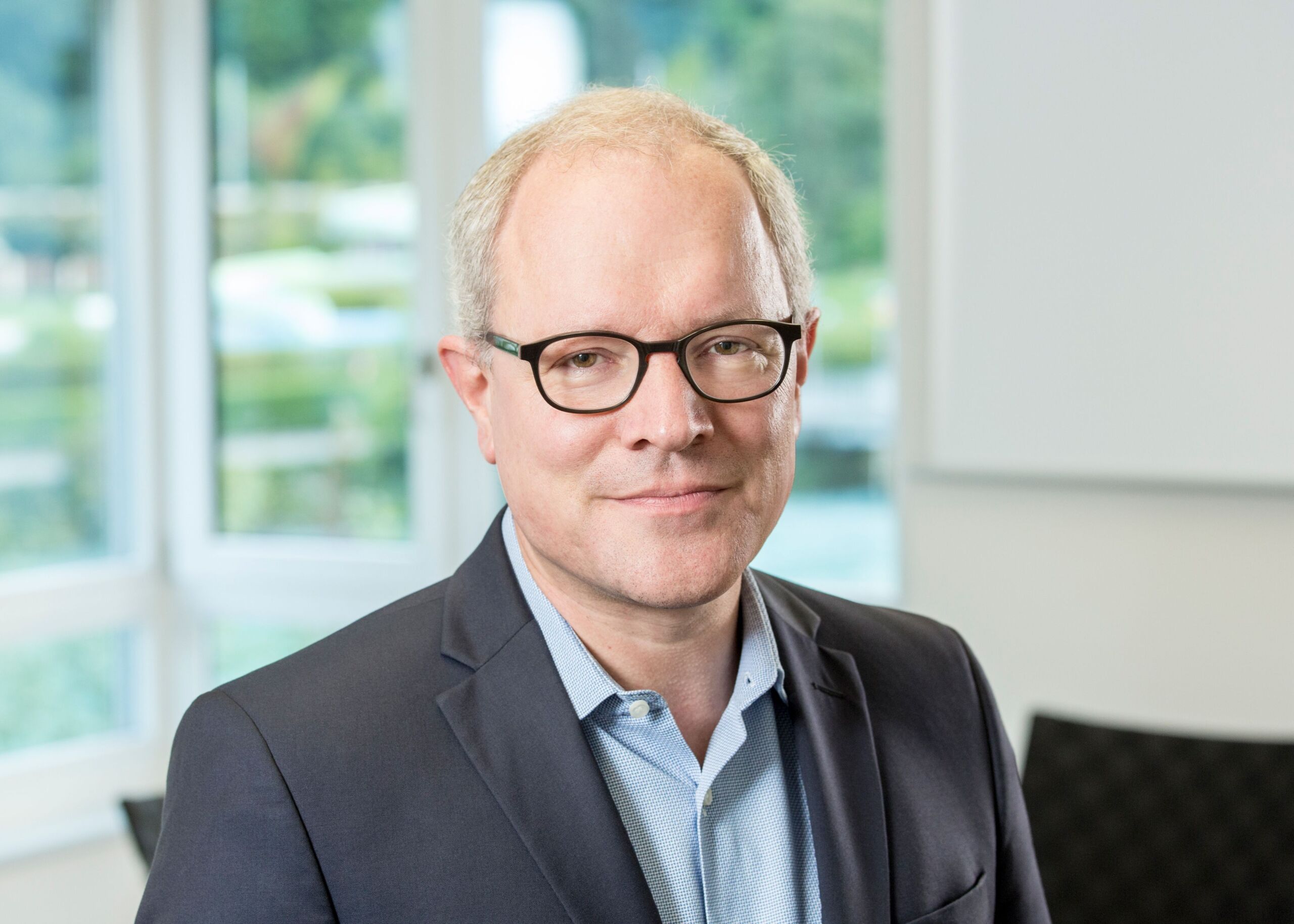 Oliver Distler, how many of those affected by sclerodemia have severe manifestations?
The spectrum is very broad. There are sufferers who hardly notice anything of the disease and for whom not much changes during the course of the disease. If someone receives scleroderma, he or she cannot predict whether the disease will have a severe course. This requires expert advice. Many sufferers have symptoms ranging from mild restrictions in everyday life to noticeable restrictions that make everyday activities difficult. If the organs are severely affected and the treatments do not work well, the disease can also lead to death in individual cases. Fortunately, with today’s possibilities, these are the exceptions.
How do the immune tablets work in scleroderma?
The hardening of the skin is caused by increased production of connective tissue. In some stages of the disease and in some organ manifestations, the thickening of the connective tissue is driven by inflammation of the tissue. The immune tablets are an attempt to switch off this driver of connective tissue hardening. However, it depends on the mechanism of action of the immune tablet whether it attacks the right areas of inflammation and can help with scleroderma.
Why can’t the disease be cured?
You have to think of it like this: There are probably several triggers that can trigger the disease in some people under certain conditions. If these triggers and conditions were known, the disease could be prevented before it breaks out. That would be ideal. Unfortunately, these triggers and conditions are not known or only very imprecisely. Once the disease has broken out, inflammation occurs, which in turn activates the formation of connective tissue. This activity of the disease should be suppressed, e.g. with the immune drugs described above. This prevents the disease from progressing further. This is often not completely successful, the disease is only slowed down. Once the connective tissue has been deposited, it is very difficult to remove it completely. The organ damage remains, the disease is still visible. Unfortunately, it is not curable.
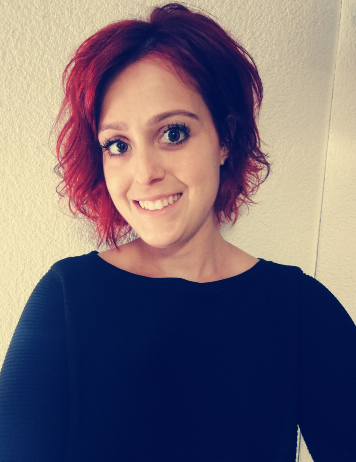 Scleroderma or systemic sclerosis is a rare form of inflammatory rheumatism from the group of connective tissue diseases. In affected individuals, cells of the connective tissue become overactive and form heaps of collagen fibers that stick together, thicken and harden the tissue. Because collagen is found in all organs, all organs of the body can be affected. Between 1500 and 2000 people in Switzerland suffer from this autoimmune disease. One of them is Nadine Fischer: “In October 2018, I realized that I could no longer form my hands into a fist”. The hairdresser thought it was due to the change in diet she had started in 2018. “I thought I was suffering from a deficiency. My hands were very hard and stiff”. She went to her family doctor, who prescribed physiotherapy. Without success. In November, Nadine Fischer noticed that her hands were completely blue and constantly cold – symptoms of Raynaud’s syndrome (see box), as she now knows. Now the family doctor refers her to a specialist. He sends them directly to the USZ.