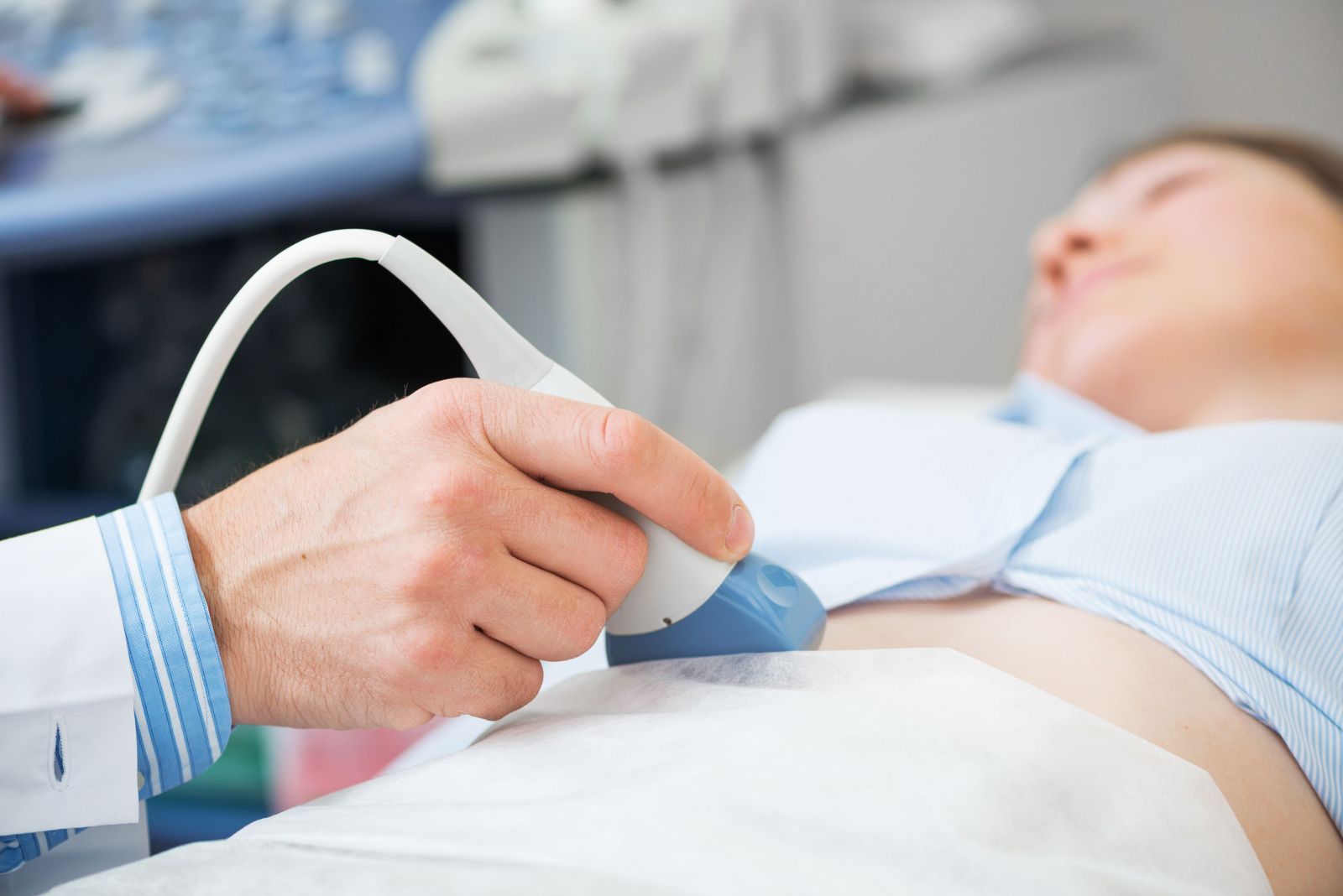
Imaging techniques such as ultrasound, computed tomography (CT), and magnetic resonance imaging (MRI) have greatly changed medicine in recent decades. Today, we can see organs and blood vessels very clearly without performing invasive examinations on the body. When it comes to preventive medicine, it is important to us that we use the method that offers you the greatest possible benefit with the least risk. Ultrasound plays a particularly important role here, as it is gentle, radiation-free, and versatile.
We use it to detect diseases at an early stage and take preventive action in good time. In this way, we can often prevent serious illnesses from developing in the first place by making targeted recommendations.
Get your heart and blood vessels checked in time
With ultrasound of the neck arteries, we can see even the smallest deposits in the vessels—often long before symptoms appear. These deposits show us how healthy your entire vascular system is, because all arteries in the body are basically structured the same way. If we find initial changes in the visible arteries, we check the overall risk: How high are your cholesterol levels? Are there any family risks? What is your lifestyle like – sedentary or active? How do diet and smoking affect you?
If we see that there is an increased risk, we use additional methods. A cardiac CT scan, for example, shows the coronary arteries in detail. This allows us to decide with certainty who will actually benefit from medications such as cholesterol-lowering drugs, known as statins, and who does not need treatment. With this approach, we aim to prevent heart attacks and strokes without initiating unnecessary treatments.
Abdominal organs and heart on ultrasound
We can also reliably identify the abdominal organs using ultrasound: the liver, kidneys, spleen, pancreas, and abdominal aorta. An important example is abdominal aortic aneurysm—a dilation of the abdominal aorta. It develops slowly over years, but often goes unnoticed. Using ultrasound, we can detect it before it becomes dangerous and initiate modern therapies in good time.
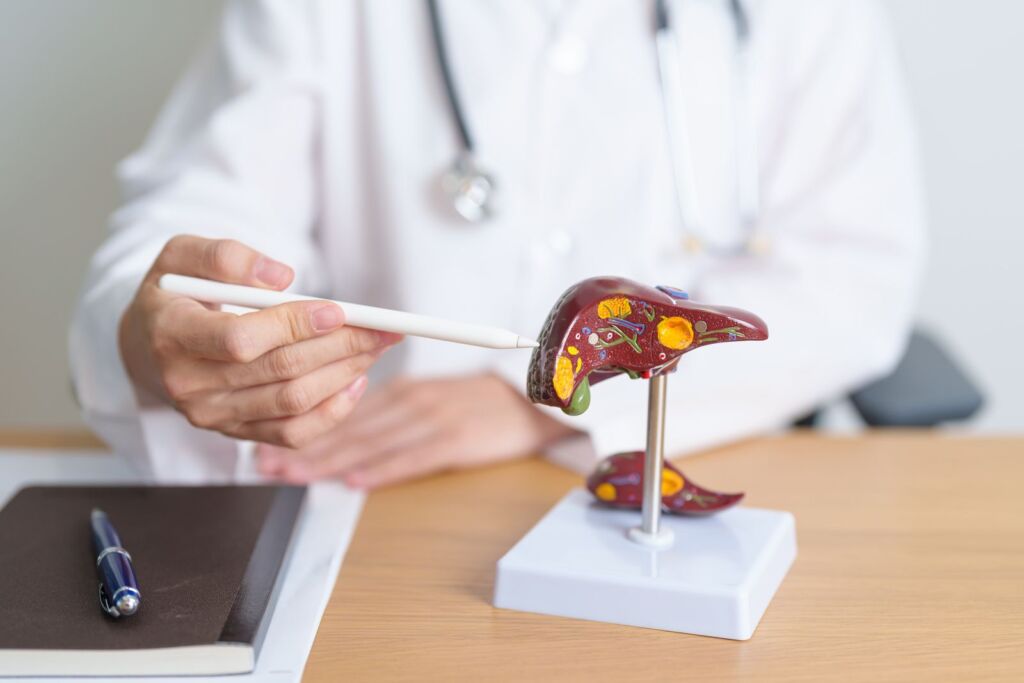
Liver screening is particularly important. Blood values are often normal, while an ultrasound already shows fatty liver. Fatty liver can cause inflammation and scarring and increases the long-term risk of liver cancer. We also take fatty pancreas seriously because it is often associated with abnormal blood sugar levels and indicates an increased risk of diabetes. In these cases, it is important to immediately adjust your lifestyle and diet so that the organs can get rid of the fat and regenerate.
During a heart ultrasound, or echocardiography, we can see the heart beating in real time. We assess how hard the heart muscle is working and whether the heart valves are functioning properly. This allows us to detect problems such as high blood pressure before they cause symptoms. If necessary, we supplement the examination with an MRI or CT scan to obtain even more detailed information.
High blood pressure, diabetes, and fatty liver disease are considered “silent killers”—they cause no pain for a long time. But with ultrasound, we can make these risks visible. The earlier we detect changes, the better we can prevent heart attacks, strokes, and organ damage. Together with you, we will develop the appropriate steps to maintain your long-term health.
Medical checkup