A diagnosis of lung cancer comes as a shock. But cancer treatment has changed fundamentally in recent years. Today, modern medications, innovative diagnostic methods, and highly precise radiation therapy techniques are opening up possibilities that were hardly conceivable just a few years ago. Even if secondary tumors—known as metastases—have formed, there are effective treatment options available today.
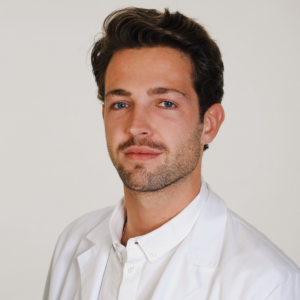
“Today, metastatic lung cancer no longer means that we have run out of treatment options,” says PD Dr. med. Jonas Willmann, a radiation oncologist and specialist in the treatment of lung cancer. “For many patients, we can keep the disease under control for a long time while maintaining their quality of life.”
When Individual Metastases Break the Mold
Today, metastatic lung cancer is often treated with modern medications such as targeted therapies or immunotherapies. These can often effectively slow tumor growth over an extended period of time. However, sometimes individual metastases develop resistance to drug treatment.
This is exactly where modern precision radiation therapy comes into play: “In the past, we often had to adjust the entire treatment plan in situations like this,” explains Willmann. “Today, we can target and destroy individual resistant metastases with radiation.” “This often makes it possible to continue an otherwise successful course of medication.”
Radiation therapy thus becomes an important component of personalized cancer treatment. The focus is increasingly shifting to the specific behavior of individual tumor foci.
Precision down to the millimeter
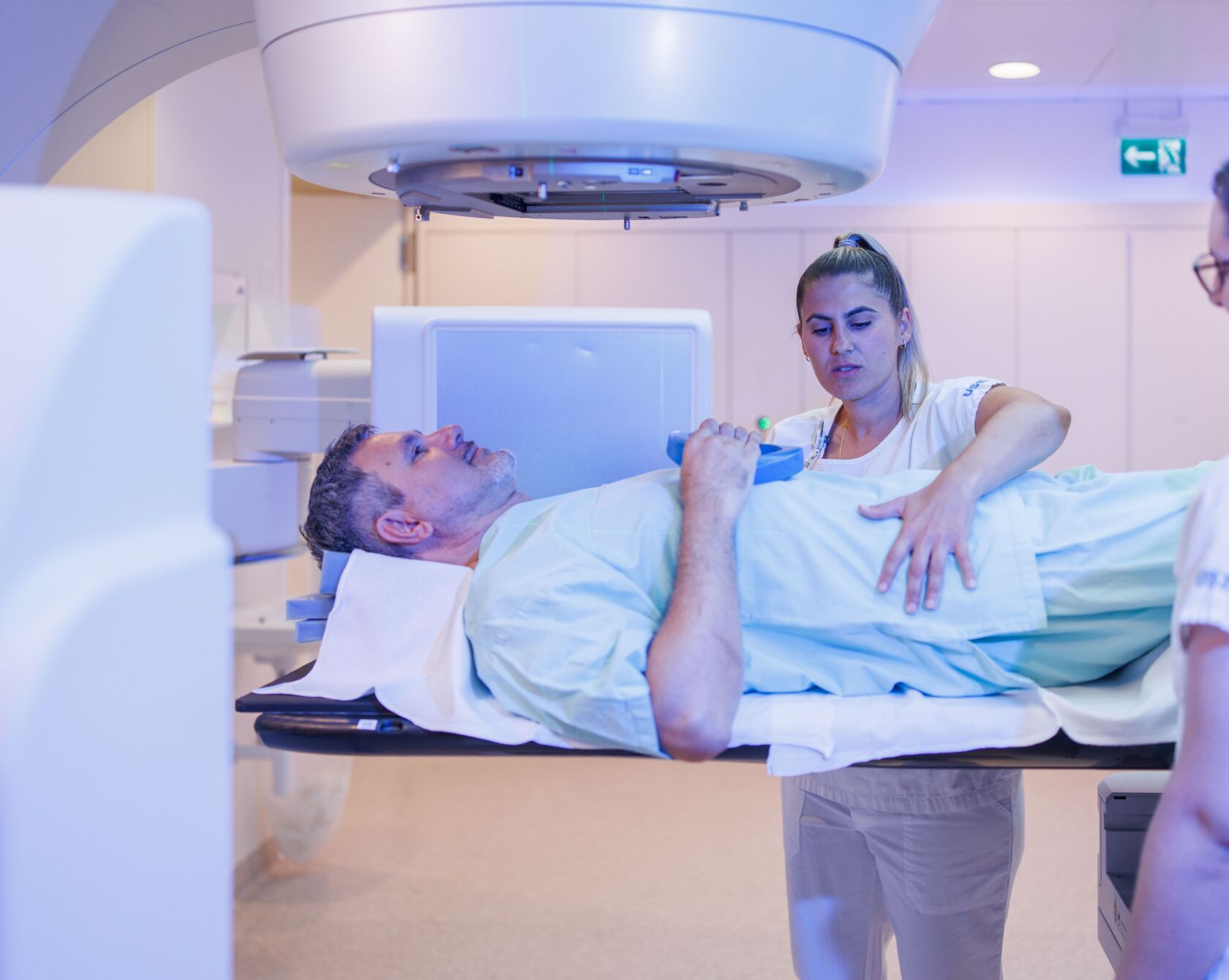
Modern radiation therapy techniques make it possible to target metastases with millimeter precision and treat them with high doses of radiation. Using state-of-the-art imaging and computer-aided planning, the radiation is precisely focused on the target area. This allows the surrounding healthy tissue to be largely spared. For many patients, this means treatment that can be provided on an outpatient basis and often involves only a few appointments.
Always by your side—from diagnosis to follow-up care
At the “Lung and Thoracic” Tumor Center at the University Hospital of Zurich, we care for people with lung cancer and other tumors of the chest using state-of-the-art medicine, personalized care, and the expertise of an interdisciplinary team. Learn more about personalized treatment options, research at the USZ, patient experiences, and the people who will support you along the way.
People Support People
Despite all the technological advances, treatment remains, above all, an encounter between people.
Throughout a course of radiation therapy, patients are continuously supported by the medical and technical staff. “We often see our patients over the course of several weeks,” says a radiology specialist on the team. “This leads to conversations, trust, and sometimes even a very personal relationship. “That’s especially valuable in difficult life situations.”
Many of those affected appreciate this closeness. Public reviews of the Department of Radiation Oncology at the USZ consistently highlight the friendliness, empathy, and high level of professionalism of the treatment team.
“Here, medical expertise, professionalism, and compassion come together at the very highest level. “… Thank you so much for everything!”
Personalized Treatment Instead of a One-Size-Fits-All Solution
Modern cancer medicine is increasingly moving toward individually tailored treatment plans—tailored to each individual patient. Precision irradiation is a fundamental part of this development.
“Not every patient needs the same treatment. Our job is to find the therapy that will provide the greatest possible benefit for each individual,” says Willmann.
That is why metastases no longer automatically mean the end of treatment options today. Thanks to modern precision radiation therapy, individual tumor sites can be targeted for treatment, effective therapies can be maintained for longer, and new possibilities can be created. For many people, this is an important message—from a medical standpoint, but above all from a human one.
Clinical studies
Clinical trials are crucial to the advancement of cancer treatment. At the Department of Radiation Oncology, new radiation techniques and innovative treatment approaches are being studied to make treatments even more effective and less invasive. For patients, participating in a clinical trial can open the door to promising new treatment options while also helping to shape the future of cancer care.