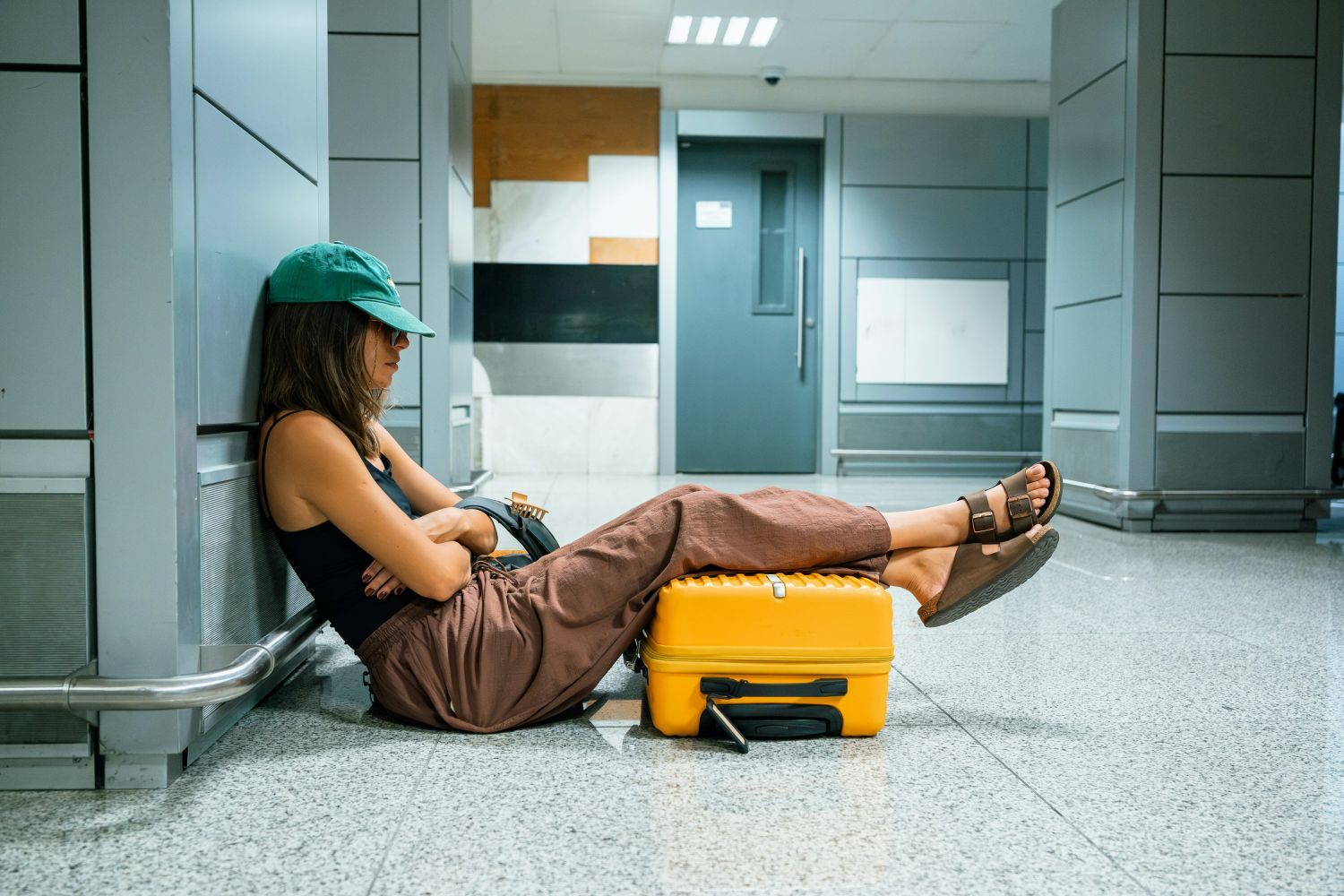
Sun, beach, adventure, and new experiences: For many people, summer vacation is the best time of the year. But no sooner are you back than an unexpected challenge sometimes arises. Even though the suitcases have been unpacked and daily life has resumed, my body still doesn't feel quite settled yet. Daytime fatigue, trouble sleeping at night, or difficulty concentrating can be signs of jet lag.
Especially after long-distance travel across multiple time zones, our internal clock gets out of sync. Sleep and wake times, body temperature, and various biological processes must first readjust to the local time. The result: Sleep feels less restful, and performance temporarily declines. Insomnia and daytime sleepiness are among the common consequences of a disrupted sleep-wake cycle.
“Jet lag is a circadian rhythm disorder caused by rapidly crossing at least two time zones (‘desynchronization of the body clock’), which is accompanied by insomnia and daytime symptoms,” explains Prof. Dr. med. Esther Irene Schwarz. “The more time zones you cross quickly, the more your internal clock can become thrown off balance.”
When Your Internal Clock Gets Out of Sync
Our bodies follow a natural daily rhythm. If this rhythm is disrupted by rapid travel across multiple time zones, a conflict arises between local time—or the external timing signal (primarily light)—and the biological clock.
The severity of jet lag varies from person to person. While some people are back on track after just a few days, others struggle longer with fatigue, trouble concentrating, or difficulty falling asleep. Returning home can be particularly challenging when work, school, or other obligations resume immediately after vacation.
Jet lag, then, is not merely a lack of sleep caused by travel, but a circadian misalignment. Sleep deprivation can, of course, exacerbate jet lag symptoms such as fatigue, reduced cognitive function, or general malaise.
“The more time zones you cross quickly, the more your internal clock can become thrown off balance.”
What Helps the Body Right Now
If you want to help your body adjust more easily, you can try to maintain as regular a daily routine as possible during the first few days after returning home. Consistent bedtimes, plenty of daylight, and exercise help your body’s internal clock readjust to local time.
Even though it’s very tempting to try to make up for lost sleep right away, long afternoon naps or frequently changing sleep schedules can make it even harder to adjust. It’s often more helpful to give your body a few days and gradually get back into your usual routine.
“Daylight is one of the most important factors regulating our biological rhythm,” explains Prof. Schwarz. “Spending time outdoors regularly after returning home helps your body adjust to the new time zone.”
When to Take a Closer Look
Short-term sleep problems after a long-distance trip are generally nothing to worry about. However, if the symptoms persist for an extended period or significantly interfere with daily life, it may be advisable to seek medical evaluation. In the long term, poor-quality sleep can lead to daytime sleepiness, reduced performance, and difficulty concentrating.
The good news: In most cases, your internal clock will reset itself after a few days. Until then, it helps to give your body the time it needs. Because sometimes, even though you’ve already returned from vacation, sleep still lags behind a little.