Research with MRI Linac
The MRI-Linac hybrid device combines several key areas of research at the Zurich site: imaging, oncology and personalized medicine.
In the medical physics research projects on the MRI linac, we are working in particular on the further development of MRI sequences at a low field strength of 0.35 Tesla, on the processing and quantitative evaluation of the MR images recorded daily, and on the development of new concepts and algorithms to make optimum use of the image information:
- We are working on the optimization and development of MRI sequences for the MRI-Linac. In particular, we are working on the development of diffusion-weighted imaging (DWI) at low field strength.
- We are using artificial intelligence methods to create synthetic CT images based on the MR images. This will make it possible in future to dispense with CT images altogether and carry out purely MR-based radiation planning. This simplifies workflows and saves the patient additional examinations.
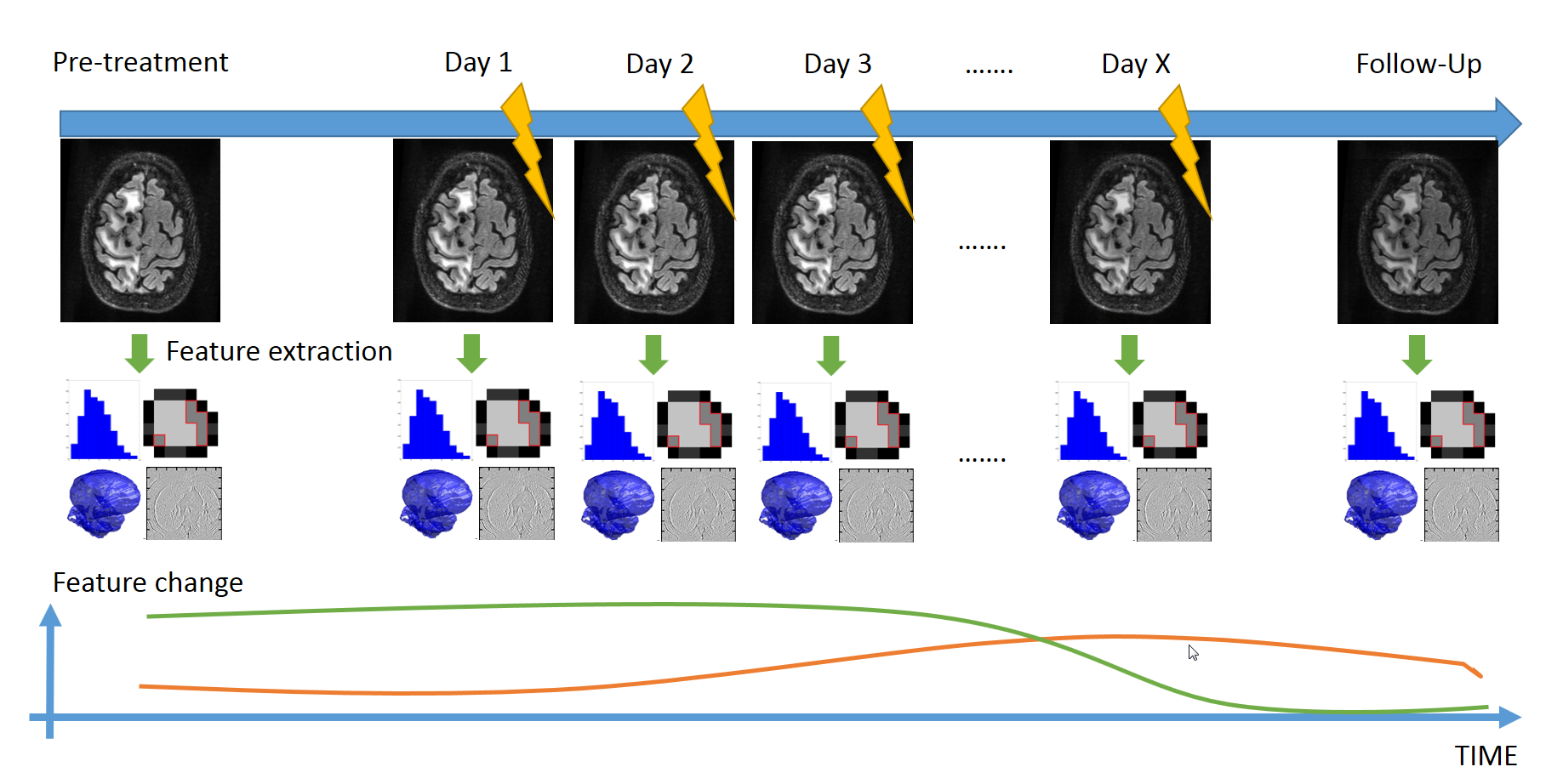
- We deal with the quantitative evaluation of MR images. This involves the quantification of volume changes during the course of therapy, for example the shrinking of tumors and salivary glands in head and neck patients. In addition, we are working on radiomics analyses to correlate changes in tumor size, shape and texture with the success of the therapy.
- We are developing the concept of adaptive fractionation. We try not only to compensate for tumor and organ movements from day to day, but to take advantage of them. This is done by increasing the dose in the tumor on days when the tumor is somewhat further away from the dose-limiting risk organ. This means that the dose can be reduced on other days if the tumor is adjacent to the organ at risk.
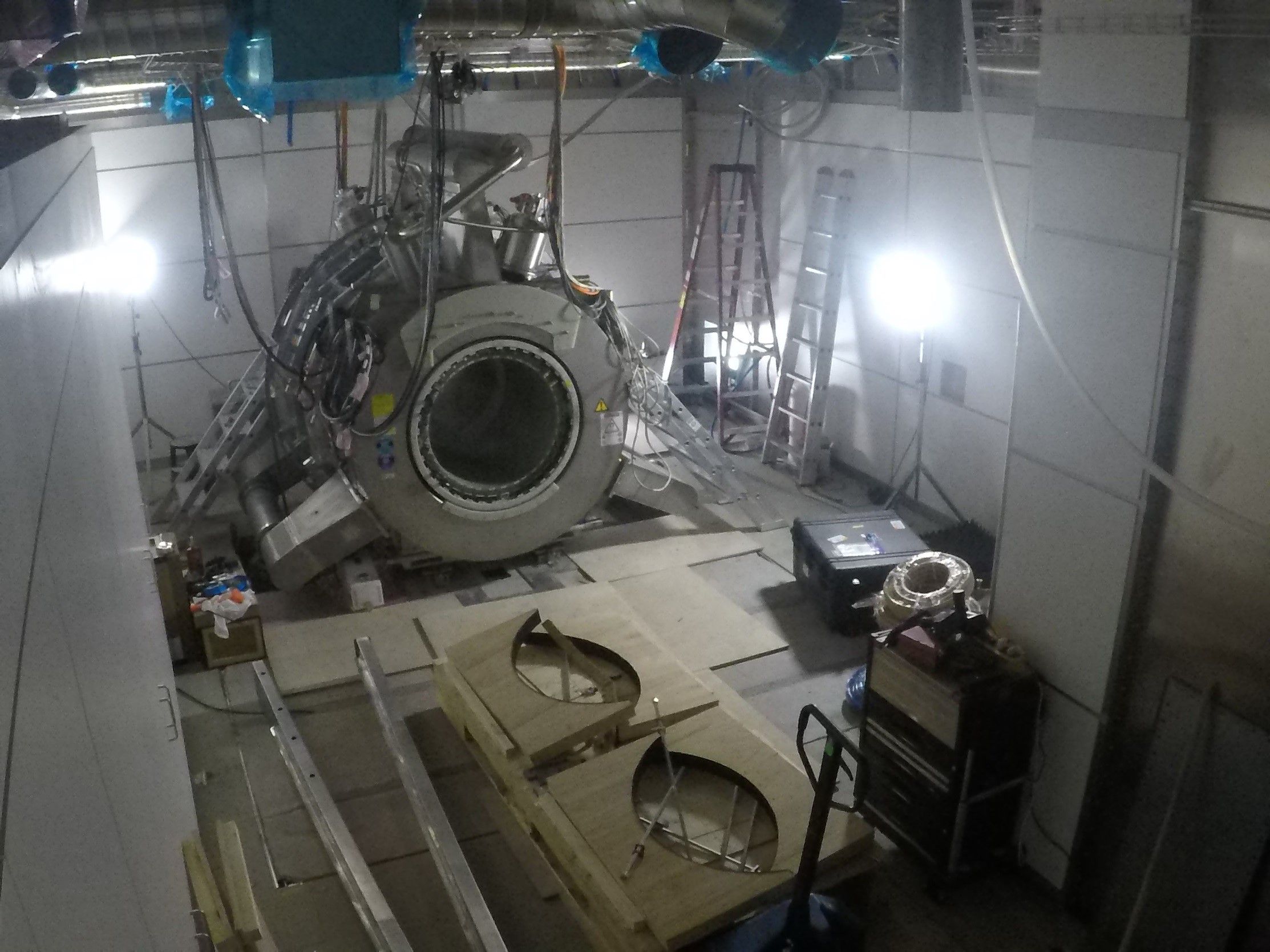
There is a considerable need for research and development in all sub-steps, which requires a high level of expertise in a wide range of mathematical, scientific and engineering fields and their translation into clinical research. In the scientific environment of Zurich, there are numerous research groups at the USZ, UZH and ETH that are already successfully working on similar topics and have a high level of interest in joint research projects in the field of MRI-Linac.
The Medical Physics team has a research focus in the field of quantitative image analysis. Several projects have shown that image parameters are prognostic for the response to radiochemotherapy or correlate with biological parameters such as HPV status. The advantage of the MRI-Linac is that we can take daily MRI images and analyze the change in image parameters over time. Such analyses can be groundbreaking for so-called adaptive radiotherapy, as they allow the response of the tumor or the reaction of the surrounding normal tissue to be identified at an early stage in order to adapt the radiotherapy accordingly.
Specifically, 3 questions will be examined:
- Correlation of diagnostic MR image parameters with MR Linac image markers for different tissue types.
- Prospective longitudinal evaluation of imaging parameters in head and neck tumors.
- Analysis of lung tissue changes during radiotherapy
MRI-guided radiotherapy is offered to our patients as part of both clinical observational studies and intervention studies. MRI technology requires no additional radiation exposure and is therefore ideal for regular image-guided adaptation of radiotherapy.
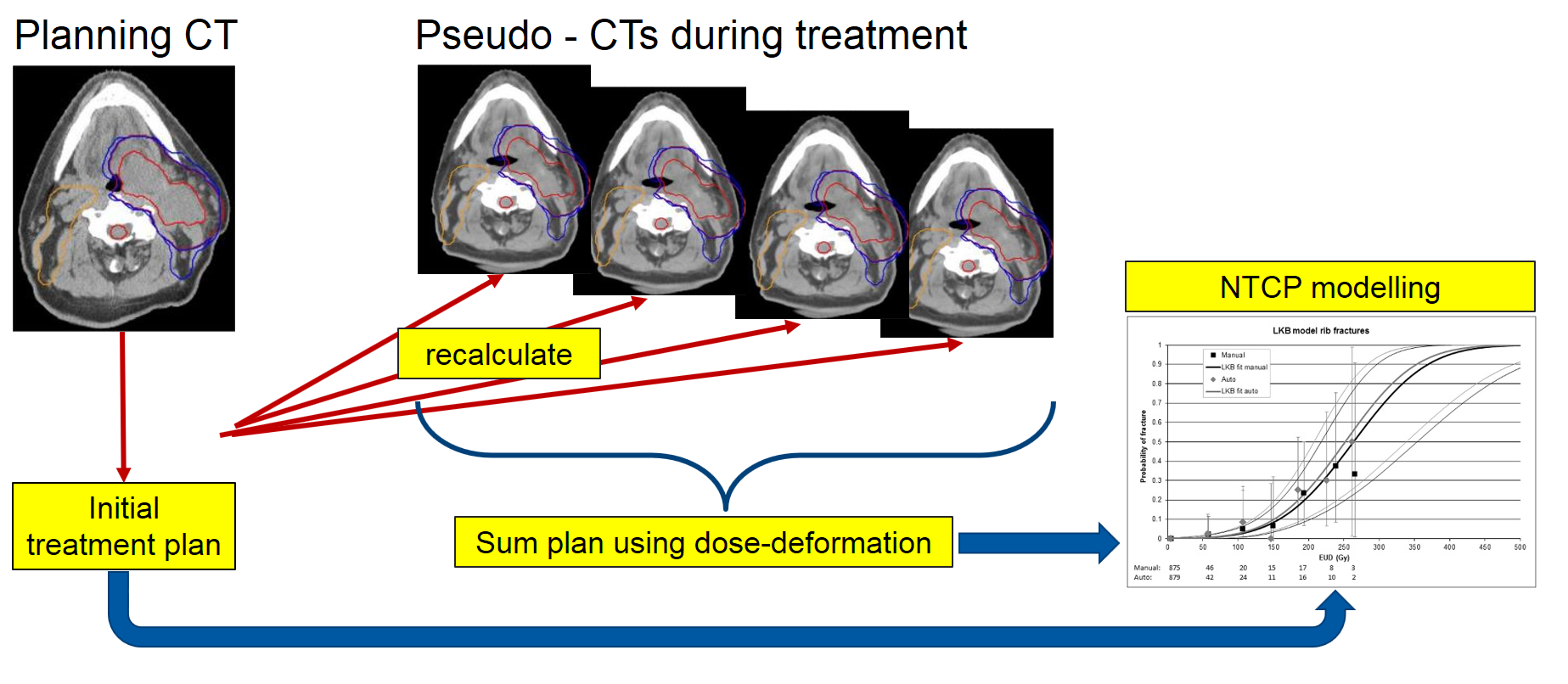
We focus on the following 4 clinical application areas:
- Adaptive planning with weekly plan adjustment in the definitive radiochemotherapy of head and neck and lung tumors
- Real-time MRI-guided ablation of ventricular tachycardia in one radiation session (radiosurgery) in patients with therapy-resistant electrical storms.
- Daily MRI imaging to observe dose deposition in normal tissue and modeling of radiogenic normal tissue toxicity
- The further development of the concept of adaptive fractionation, in which the radiation dose is increased on treatment days on which the location of the tumor is particularly favorable relative to organs at risk.
Applied clinical research is planned in close cooperation with our clinical partnerships at the USZ, including oncology, neurology, pathology, radiology and nuclear medicine. In addition, we will network clinical research internationally and strive for joint protocols using MRI-Linac technology.
Current studies at the MRI Linac:
MARTHA: Adaptive radiotherapy of head and neck tumors with the aim of reducing side effects – especially dry mouth after radiation.
MARGA-I: Investigation of the changes occurring under therapy in glioblastoma multiforme by imaging during treatment on the MRI Linac.
MASPAC: Evaluation of the benefit of additional adaptive stereotactic radiation for the reduction of pain in pancreatic tumors.
DEFT-STAR: Dose finding of stereotactic radiotherapy for the side-effect-free treatment of recurrent sustained ventricular tachycardia.
Research team and collaborations
Based on the concept of interprofessional collaboration, the aim is to bring together expertise and cutting-edge research from the USZ, UZH and ETH for applied research and to further improve the treatment of patients at the University Hospital Zurich in specific research projects.