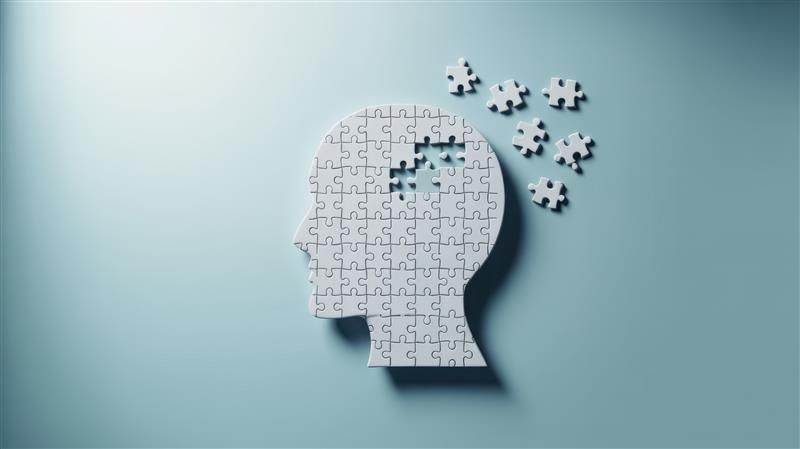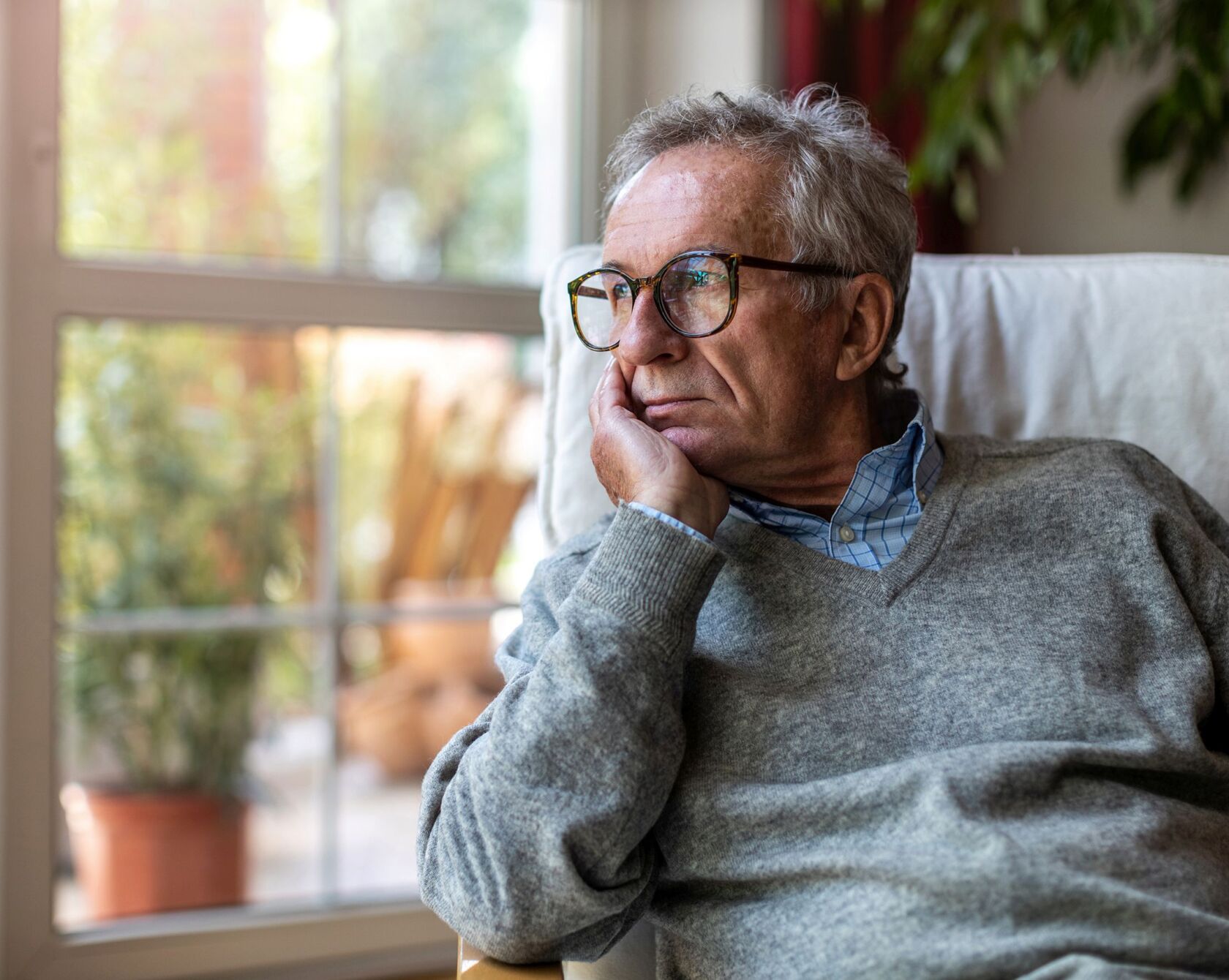
Not all forgetfulness is dementia. If there are signs, however, an early clarification should be made. The Memory Clinic at the USZ specializes in this.
Symptoms of dementia
Relatives are often the first to notice the first signs of failure. The elderly mother can’t remember recent events and loses the thread of the story. The husband, who used to hike without a map, has lost his sense of direction. The aunt speaks and moves noticeably slower since the last visit. Is it simply age-related decline or perhaps dementia? “If there is any suspicion, at the latest when the failures impair the ability to cope with everyday situations, a comprehensive assessment should be carried out,” advises Hans Jung. The neurologist specializes in dementia and is head of the Memory Clinic at the Department of Neurology at the USZ.
It doesn’t always have to be dementia
“Dementia – Alzheimer’s is the most common – has various causes and manifests itself in very different ways. However, we often discover during the assessment that there is no dementia at all, but rather, for example, depression in old age, which can be treated quite well,” says Jung. Unfortunately, there is still no cure for dementia, but its progression can be slowed down in many cases with medication and non-medication measures. The earlier the exact type of dementia is identified and measures are taken, the better. And: important decisions and wishes for an advanced phase of the illness can then be considered and recorded in peace and quiet.
Only a comprehensive investigation can provide a reliable diagnosis
Most patients are referred to the USZ by their GP if initial tests have revealed a suspicion of dementia and suggest further examinations. The assessment is carried out at the Memory Clinic at the USZ according to standardized guidelines. The starting point for the diagnostic process is always a detailed medical consultation with the patient – and with her relatives. The medical history forms the basis. However, the outside view of a relative provides important additional information about the patient’s situation.
A specialist neurological examination is also essential. In addition to the physical examination, this includes blood tests, imaging with MRI and, if there are corresponding indications, a lumbar puncture for biochemical indications of Alzheimer’s disease.
A neuropsychological examination is also an integral part of a dementia assessment. Various tests can be used to determine language skills, concentration and memory performance, among other things. To ensure that the tests are meaningful, they are individually tailored to the patient’s age, gender, education and other criteria.