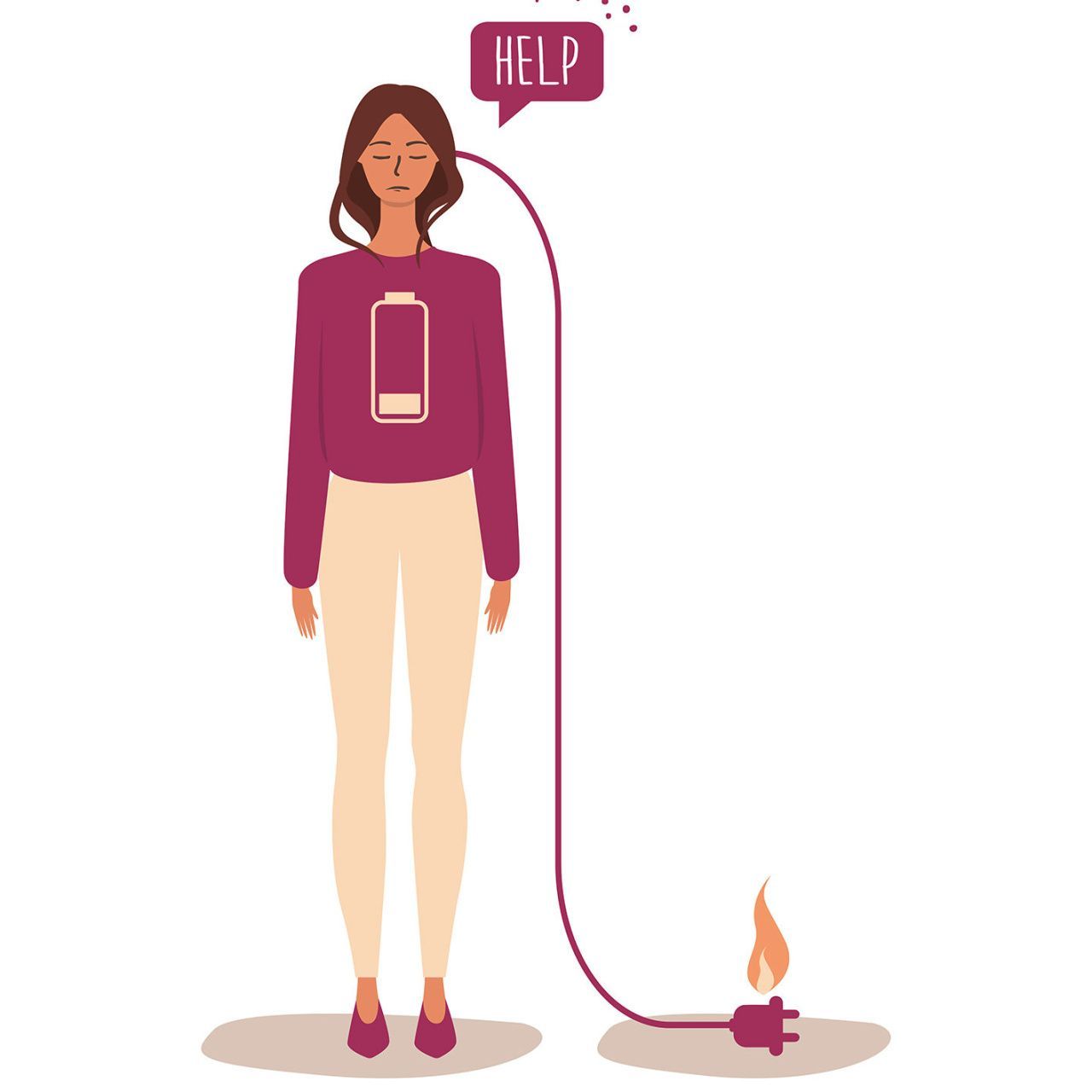
The term "fatigue" is being used more and more frequently in connection with the coronavirus and its consequences. Those affected suffer from fatigue, chronic tiredness, headaches, overexertion and discomfort after exertion.
Fatigue can follow certain viral infections, such as the coronavirus. But cancer or autoimmune diseases can also be a reason for these states of exhaustion. The diagnosis of fatigue is problematic as there are no medically measurable indicators. “Laboratory values cannot be determined in this case. Instead, we conduct a targeted survey and then evaluate the results,” explains Ilijas Jelcic, senior physician at the Department of Neurology.
Since January 2021, the USZ has been offering consultation hours for Long COVID patients. Since then, Iljas Jelcic has cared for 30 patients suffering from fatigue. There is as yet no therapy. “To do this, we first need to understand exactly what fatigue is.” In most cases, the symptoms disappear on their own after a few months. Vaccination can also help. “Many patients are worried about whether they can be vaccinated,” says Ilijas Jelcic. “However, vaccination does no harm, quite the opposite: we see an improvement in the condition of 30 percent of patients.” Why this is the case has not yet been scientifically proven.
Energy management in everyday life
Occupational therapy at the USZ offers help in dealing with fatigue in the form of energy management training. Uta Caduff, occupational therapist in the rheumatology team, leads group sessions for those affected. “This service was originally launched for autoimmune patients with fatigue. However, due to the situation, the number of cases with long-COVID symptoms is increasing,” she explains. In the program – which was developed with scientific findings in mind – those affected learn in a total of eight lessons how to make the best use of their available energy in everyday life, avoid slumps and distribute the load sensibly.
The participants also give each other specific tips and exchange recommendations. “The important thing is self-reflection. We rely on the cooperation of the patients, because they know themselves best and are aware of their possibilities and limitations. We see group energy management training and individual support from physiotherapy as two perfectly complementary services for this problem,” says Uta Caduff.