Certain bacteria can be major spoilsports at barbecues. They can have serious consequences for pregnant women and immunocompromised people.
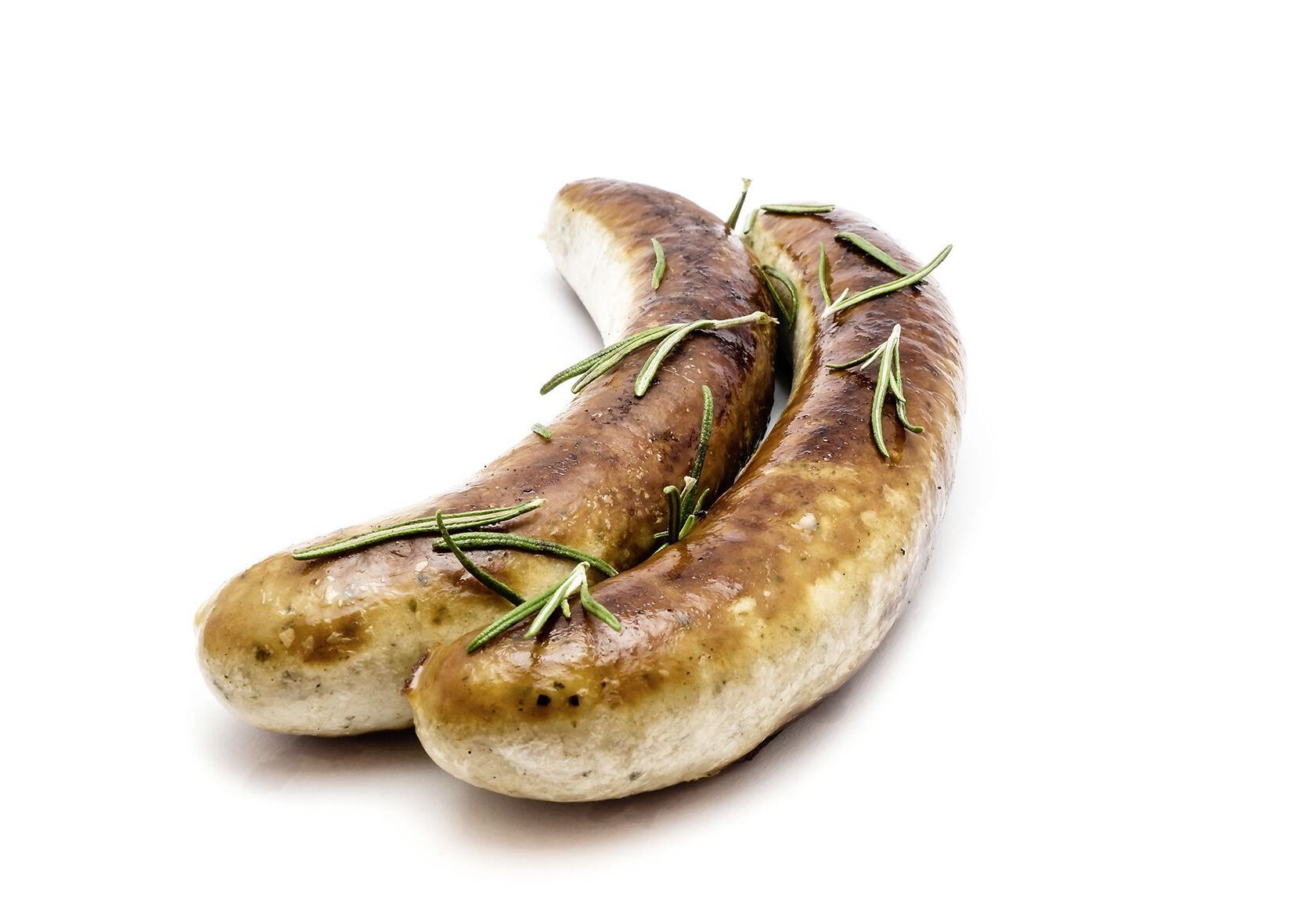
If a grilled sausage is fully cooked, listeria can no longer pose a risk,” explains Miriam Vázquez, senior physician at the Clinic for Infectious Diseases and Hospital Hygiene. The bacteria are killed by the heat. However, it is not juicy steaks that are problematic, but pre-processed grilled sausages. “Listeria can be present on surfaces during the processing of animal products. Rigorous and controlled hygiene is therefore essential.” Accordingly, process hygiene and safety criteria for various foodstuffs are set out in the Federal Hygiene Ordinance.
However, salmonella is by far the biggest cause of food poisoning in terms of the number of cases. Enteritic salmonella is one of the most common causes of diarrhea. Food poisoning occurs after consumption of animal foods – milk, raw eggs or undercooked chicken or fish – and is usually due to incorrect storage or preparation. In addition, germs can multiply rapidly at room temperature. Within 20 minutes the number of bacteria doubles, after 40 minutes their number has quadrupled. It is therefore important to store food correctly. Listeria can continue to multiply even at refrigerator temperatures. Miriam Vázquez explains: “With listeria, less than ten bacteria are enough to cause illness.” Nevertheless, listeria infections are rare in Switzerland. The best known cases of listeria in Switzerland come from cheese products made from raw milk.
In the case of food poisoning caused by salmonella, the person falls ill within a few hours. The cunning Listeria, on the other hand, take their time. The incubation period is between three days and several weeks. “When cases of illness occur more frequently, detective work and research into the causes are often required,” says Miriam Vázquez. It is not without reason that diseases caused by listeria are notifiable.
Sick people with an intact immune system suffer from diarrhea, sometimes accompanied by fever. Immunocompromised and pregnant women are more susceptible to serious Listeria infections: Bacteria can be washed into the brain via the bloodstream, causing meningitis and miscarriages. Hospitalization is then necessary and the patients are treated with antibiotics. “It makes sense not to consume raw milk or raw milk-based cheese for nine months during pregnancy,” advises Miriam Vázquez. Well-cooked sausages are not a problem. Similar recommendations apply to immunocompromised people.