Department News

Lung cancer can be cured if detected early

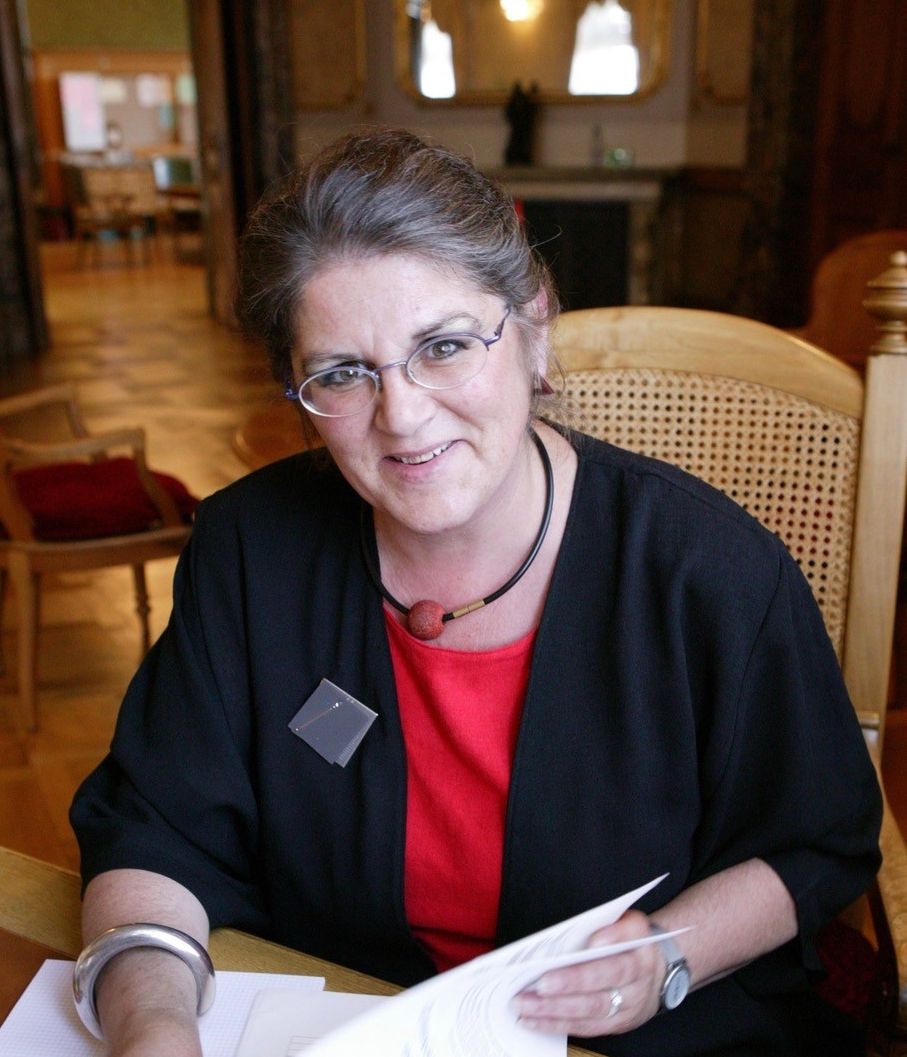
Smoking is considered the greatest risk factor for lung cancer. In order to refine the methods for the early detection of lung tumors, USZ research teams are looking for suitable study participants. Isabelle Schmitt-Opitz, Director of the Clinic for Thoracic Surgery, and Thomas Frauenfelder, Director of the Institute for Diagnostic and Interventional Radiology, explain the details.

Why do 3000 people still die of lung cancer in Switzerland every year – that’s over 8 people a day?

Isabelle Schmitt-Opitz: Lung cancer is usually discovered quite late. A lung tumor does not cause any symptoms and can therefore grow undisturbed for a long time. It is often an incidental finding when patients go to the doctor because of other complaints.

Thomas Frauenfelder: Of the 4,200 cases diagnosed each year in Switzerland, 85 percent will die within the next five years. This is a sad reality.

What does it take to save more lives?

Schmitt-Opitz: If a lung tumor is detected early, surgery is possible and the patient returns home cancer-free. This eliminates the need for further complex treatment methods.

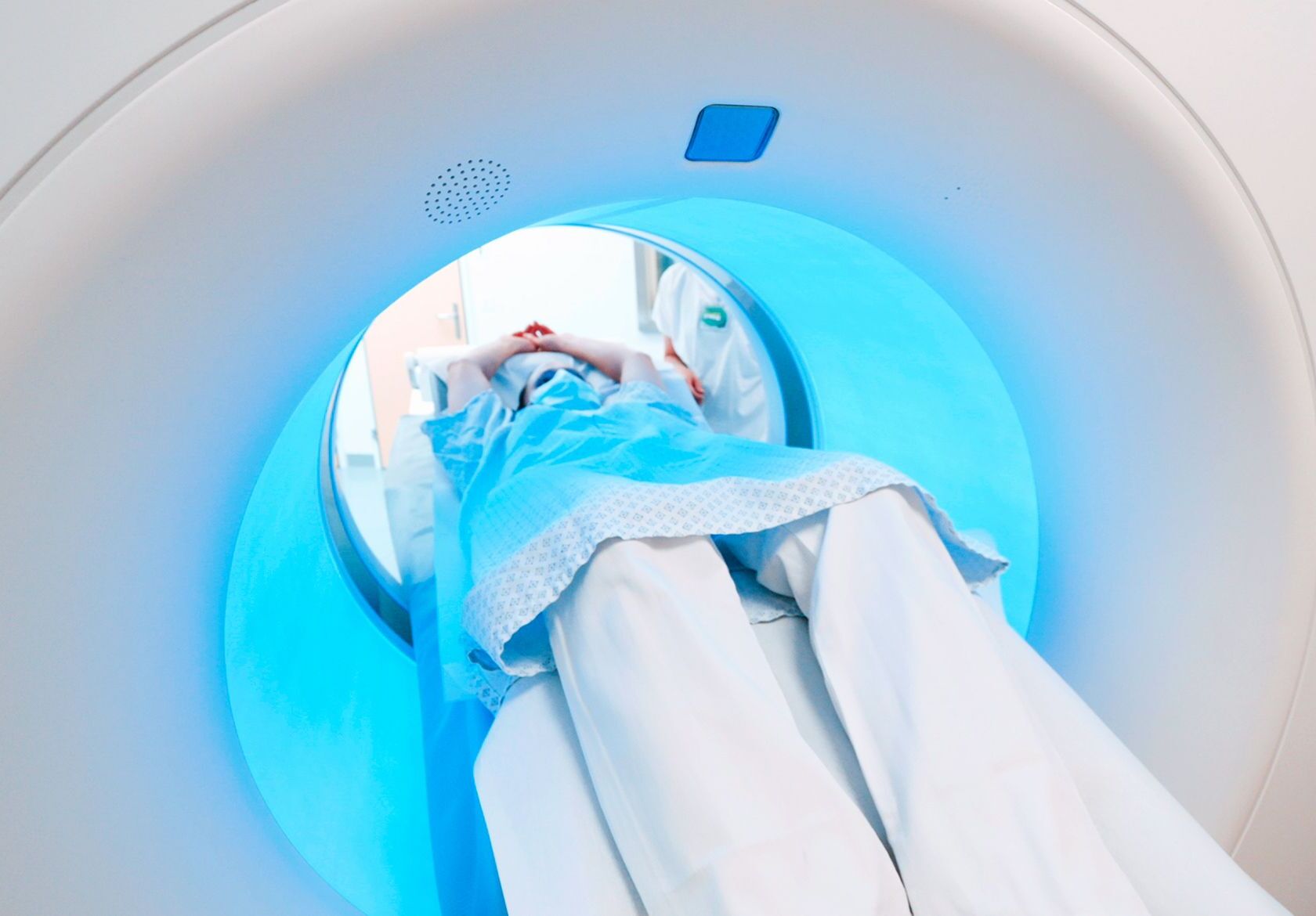
Frauenfelder: Better early detection also requires meaningful images. Low-dose computed tomography (CT) technology has developed enormously in recent years. Thanks to a higher number of slice images, CT today offers significantly more information, which opens up new possibilities in diagnosis. In addition, the radiation dose has decreased massively.
How exactly is lung cancer treated?

Schmitt-Opitz: If lung cancer is suspected, we discuss the case at the weekly “Tumor Board” of the Lung and Thoracic Oncology Center, where all specialists are present. The aim is to agree on a treatment method that offers the best prognosis for the patient. If a lung tumor can be removed, we operate. If the tumor has already spread metastases, combination therapies such as chemotherapy, immunotherapy or radiotherapy are used, but surgery is also sometimes performed at this stage.

What must a lung carcinoma look like before it can be surgically removed?

Schmitt-Opitz: The decisive factors are the location and size of the tumor, but also how well the lung functions in the affected and the remaining section. The general condition of the patient also plays a role. All these factors are taken into account when deciding on the best possible treatment. This applies both to the combination of therapies and to the type of surgery, if any: can it be minimally invasive, with or without a robot? Or does open surgery have to be performed? The experience of the treating surgeon also plays an important role here.

Isabelle Schmitt-Opitz on the robot operation

What is the detection rate?

Schmitt-Opitz: In four out of 100 lung screening participants, a lung tumor was detected in time so that it could be surgically removed. This is a high discovery rate by international standards

Frauenfelder: We also have a comparatively low “recall” rate. The “recall” for further examinations goes to people whose diagnosis is not clear. Today, however, high-quality imaging allows us to make fairly clear statements about the quality of tissue proliferation.

How did the lung screening program get started in 2017?

Frauenfelder: International studies have shown that early detection through lung screening can reduce lung cancer mortality by 20 percent. In Switzerland, this means saving over 650 lives a year. We started our studies in 2017 with 75 participants. In 2018, we were able to secure funding from the USZ innovation pool. Although we have been able to continuously expand our pool of study participants, we would like to recruit even more test subjects.

How does a lung screening work?

Schmitt-Opitz: First of all, we clarify with the interested parties whether they meet the requirements. The CT itself takes just ten minutes. Participants without findings will be informed by telephone. If a finding is discovered, the next steps are discussed in a personal consultation.

Study participants wanted for lung screening

Are you between 55 and 74 years old and have been smoking at least one pack of cigarettes a day for 30 years? We are also looking for ex-smokers who smoked at least one pack a day up to 15 years ago.

We look forward to hearing from you directly by e-mail or telephone. A referral from your family doctor is also possible. Low-dose computed tomography (CT) takes place at the University Hospital Zurich (Rämistrasse 100) and takes around 10 minutes. Lung screening is free of charge.

Tel. +41 43 254 41 10

Who is eligible to take part?

Frauenfelder: We are looking for people between the ages of 55 and 74 who have smoked at least one pack of cigarettes a day for 30 years. Ex-smokers may not be smoke-free for longer than 15 years. The participants benefit from any early detection and in return make the anonymous data available for research. This will enable us to refine the examination process for diagnosis and treatment planning and, together with the study participants, make an important contribution to the implementation of a national lung screening program recognized by the health authorities.

However, there is still no national program. Where does Switzerland stand?

Frauenfelder: Healthcare in Switzerland is regulated at cantonal level. To avoid a patchwork approach, a national lung screening program makes sense. In mid-November 2022, the independent national expert committee on early cancer detection issued a recommendation for a national lung screening program for at-risk groups. This now brings additional momentum to the topic. The groundwork has been done. A national lung screening program will save lives.

What are the practical benefits of the current study projects?

Frauenfelder: We want to use a broad pool of data to further refine the informative value of imaging. In this respect, we will also make greater use of artificial intelligence (AI) in the future.

Schmitt-Opitz: In addition to lung cancer, coronary heart disease and emphysema (destroyed alveoli) also play an important role in the risk group of smokers.

The specialists

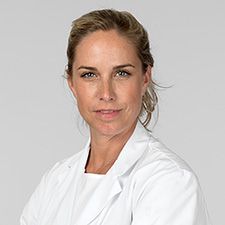
Thomas Frauenfelder, Prof. Dr. med.

Director of the Institute, Institute for Diagnostic and Interventional Radiology

Tel. +41 44 255 93 83
Specialties: Thoracic radiology, Imaging of the female breast

Isabelle Schmitt-Opitz, Prof. Dr. med.

Director of Department, Department of Thoracic Surgery

Tel. +41 44 255 88 04
Specialties: Robotic surgery, Advanced oncological resections, Pulmonary endarterectomy