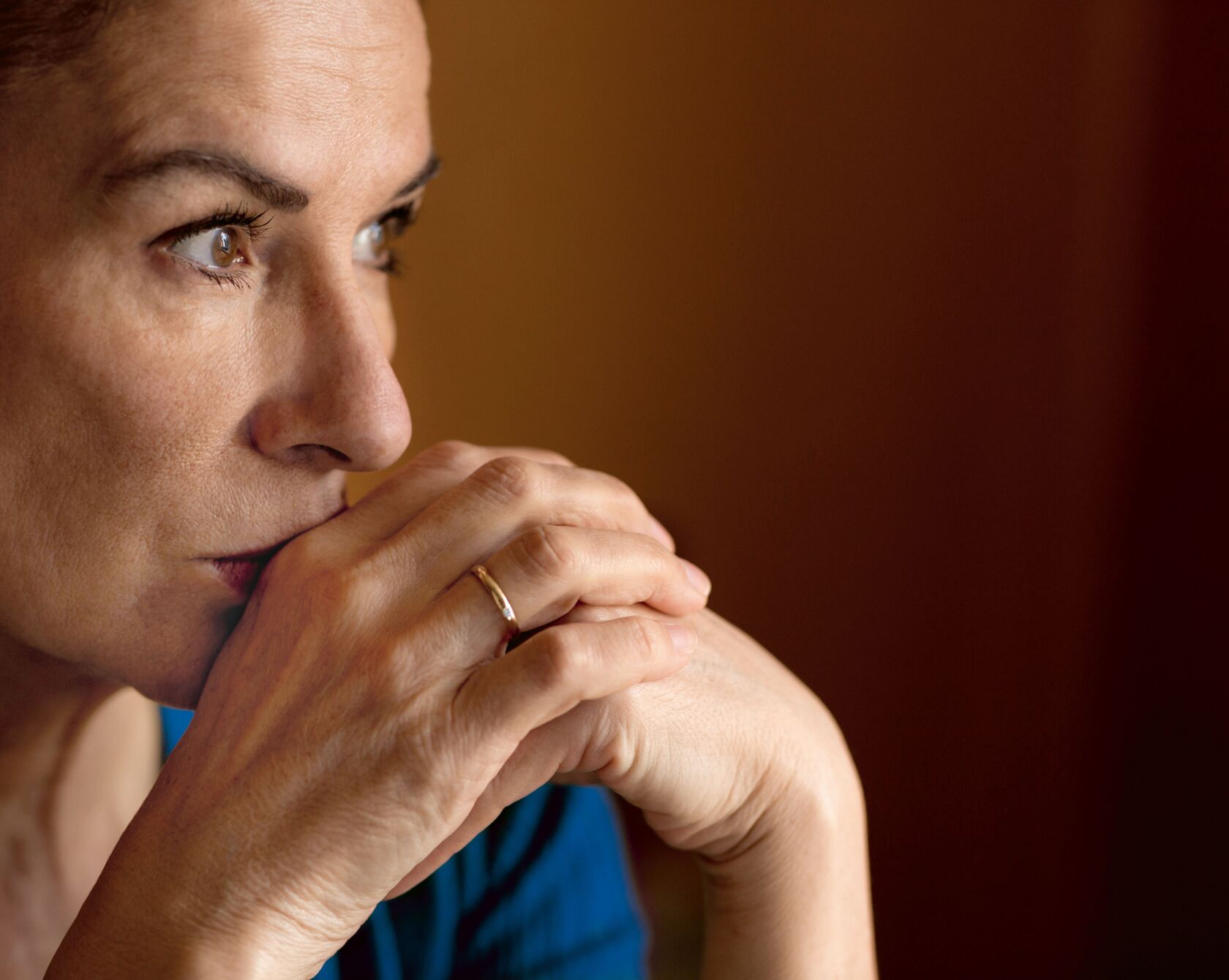
The menopause causes symptoms in many women around the age of 50. Both herbal and hormonal therapies help against this. As well as the realization that this phase of life is better than its reputation.
A woman’s body changes around the age of 50. While men’s reproductive organs remain active into old age, women’s ovaries cease to function and menstrual bleeding stops. This change only happens gradually over a longer period of time.
Because every woman goes through the menopause sooner or later, it is advisable to actively approach this phase of life – and in a positive way. “After all, women are then at an age when they are fully in the swing of life and can make a fresh start,” says Dr. Kerstin Blickenstorfer, senior physician at the Clinic for Reproductive Endocrinology at the USZ and board member of the Swiss Menopause Society. The menopause wrongly has a bad reputation. “With a life expectancy of a good 85 years today, life is far from over.”
Nevertheless, many women complain of physical and psychological complaints years before and after the menopause (last menstrual period). The most common include hot flushes, sweating, mood swings and sleep disorders. The reason for this is that the body produces fewer sex hormones – primarily oestrogen.
Herbal therapies in the form of soy preparations, black cohosh or valerian often help against this. “You can often get a good grip on minor complaints,” says Blickenstorfer. If not, it is advisable to switch to hormonal products. These vary in composition, type of application, risks and side effects. Transdermal (administered via the skin), bioidentical hormones are advantageous. These have the same chemical and molecular structure as the hormones produced by the human body. According to Blickenstorfer, however, only products tested by the pharmaceutical authorities should be used.
As a tip for everyday life, Blickenstorfer also recommends wearing onion-skin clothing, ventilating often at a moderate room temperature and avoiding triggers such as coffee, black tea or spicy foods. These measures can be used to control hot flushes – by far the most common complaint.
In addition to such complaints, weight gain is a problem for many women in their 50s. This is not directly due to the menopause, but to a change in metabolism and the resulting reduction in the amount of calories required. “A few hundred more calories a day can quickly add up to six to seven kilograms on the scales at the end of the year,” says Blickenstorfer. Unlike in younger years, the fat also settles on the stomach and no longer on the hips or thighs. Being overweight increases the risk of cardiovascular disease. The hot flushes also increase.
The Reproductive Endocrinology Clinic at the University Hospital Zurich offers comprehensive advice and treatment for women going through the menopause. To take part in the weekly consultation hour, a referral from the treating doctor is required. All important aspects of the topic are also discussed at regular events: from nutrition, bone health and exercise to mental fitness and treatment options.
Menopause consultation
We provide comprehensive care and treatment to menopausal women as needed during this challenging phase of life.