Department of Gastroenterology and Hepatology
Liver and bile ducts – diseases and treatment
The liver fulfills a myriad of vital functions in the body: detoxification of the blood, storage of nutrients, production of bile, regulation of blood sugar levels and the synthesis of proteins. No other organ fulfills more extensive functions. Diseases of the liver can have a considerable impact on the human body.
The liver fulfills a number of essential functions:
- Detoxification: It removes harmful substances and toxins from the blood before it reaches the rest of the body.
- Metabolism: The liver processes nutrients such as carbohydrates, fats and proteins and regulates blood sugar levels.
- Production of bile: The bile produced by the liver is important for the digestion of fats in the intestine.
- Storage: The liver stores vitamins, minerals and glucose for later use.
- Protein synthesis: It produces proteins that are essential for blood clotting, the transportation of molecules and other functions in the body.
The close cooperation between the liver, bile ducts and the rest of the body is crucial for the breakdown and absorption of nutrients from food and therefore has a significant influence on overall digestion and metabolism in the body.
Liver and bile in interaction
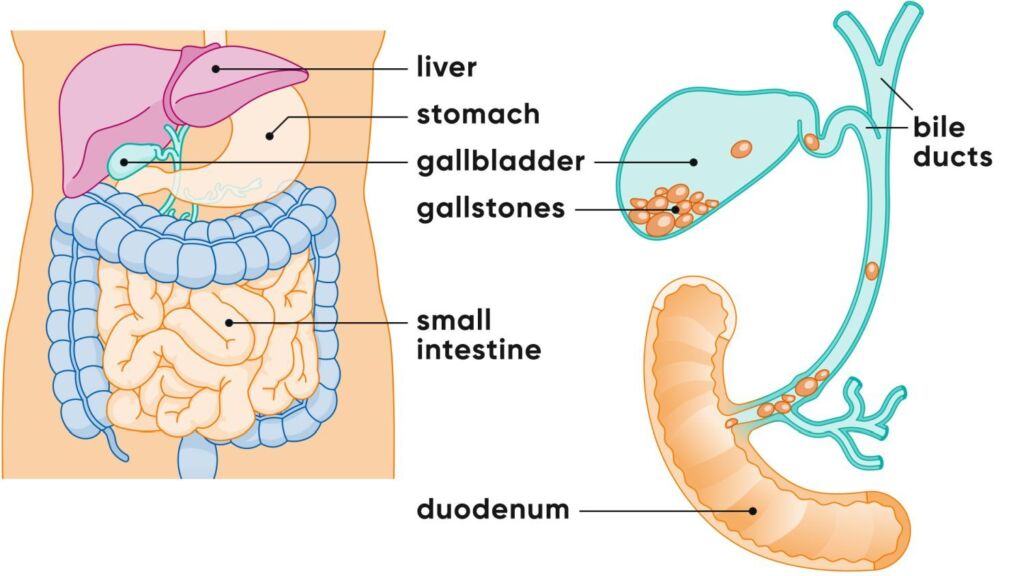
The gallbladder and bile ducts work closely with the liver to enable the digestion of fats. The bile produced by the liver enters the gallbladder, where it is stored and concentrated. If necessary, the bile is released into the small intestine to emulsify the fats in the digestive process and facilitate the absorption of nutrients.
Gallstones can form in the gallbladder or bile ducts, which can impair the flow of bile. This can lead to pain, inflammation and other complications. Biliary tract diseases can also affect liver health and require specialized treatment.
The liver is a complex organ that can be affected by various diseases. From fatty liver disease to hepatitis and liver cancer. Diseases of the liver and bile ducts include
- Benign liver tumors
- Malignant liver tumors and liver transplantation
- Liver metastases
- Biliary tract tumors
- Fatty liver disease
- Cirrhosis of the liver
- Hepatitis (acute and chronic inflammation of the liver. Possible causes: Hepatitis A, B, C and D)
- Liver cancer
Symptoms: Warning signals of the liver
Liver diseases can cause a variety of symptoms and warning signs that indicate impaired liver function. The most common signs include
- Elevated liver values: Deviations in the blood tests can indicate a possible liver disease, even without obvious symptoms.
- Tiredness and fatigue: A weakened liver can lead to persistent tiredness, lack of energy and general weakness.
- Loss of appetite and weight loss: Changes in metabolism due to liver problems can reduce appetite and lead to weight loss.
- Abdominal pain and discomfort: Discomfort in the upper right abdominal area or general abdominal pain may indicate liver problems.
- Jaundice: Yellow discoloration of the skin and eyes may indicate impaired liver function.
- Itching: Intense itching of the skin can be a sign of liver disease (especially on the palms of the hands and soles of the feet).
- Dark urine and light-colored stool: Changes in the color of urine and stool can indicate impaired bile flow.
Liver diseases can be acute or chronic and manifest themselves accordingly in symptoms:
Acute liver disease
Symptoms: Acute liver disease occurs suddenly and can be more severe. They can cause symptoms such as severe abdominal pain in the right upper abdomen, jaundice, nausea, vomiting, fever and general weakness.
Causes: Acute liver diseases can be triggered by various factors, including drug overdoses (e.g. paracetamol poisoning), viral hepatitis (hepatitis A), acute fatty liver (hepatic steatosis) and ischemic liver damage due to circulatory disorders.
Chronic liver disease
Symptoms: Chronic liver disease usually develops over a long period of time and may initially be mild or even asymptomatic. Common symptoms include fatigue, loss of appetite, weight loss and general malaise. Later on, jaundice, abdominal pain, itching, enlarged liver and spleen, accumulation of fluid in the abdomen (ascites) and a tendency to bleed may occur.
Causes: Chronic liver disease can be due to a variety of causes, including alcohol abuse, fatty liver disease, hepatitis B and C, cirrhosis, autoimmune diseases such as autoimmune hepatitis and genetic predisposition
Prevention can make a significant contribution to reducing the risk of liver disease.
We offer a wide range of treatments that complement surgical therapy options. Liver and biliary tract diseases are treated by an experienced interdisciplinary team. Find out more about the treatments on offer:
Influenceable risk factors: preventing liver disease
The prevention of liver inflammation and other liver diseases is of great importance. Prevention can do a lot to maintain the health of the liver:
- Healthy diet
- Limit alcohol consumption: Excessive alcohol consumption can damage the liver
- Avoid infection risks
- Detoxify the liver: Healthy lifestyle habits such as sufficient fluid intake, regular exercise and adequate sleep
- Weight control: being overweight increases the risk of fatty liver disease. Healthy weight loss can improve liver health
- Vaccinations: Vaccination against hepatitis B to reduce the risk of this infection
- Medication should only be used as directed and in bulk. This can minimize the burden on the liver
- Regular medical examinations
Frequently asked questions about diseases of the liver and bile ducts
Typical symptoms of liver damage are fatigue, jaundice (yellow skin and eyes), abdominal pain, nausea and loss of appetite.
The liver is located in the right upper abdominal area under the ribs.
If liver pain persists or is severe, a doctor should be consulted immediately.
Elevated liver values such as ALT (alanine aminotransferase) and AST (aspartate aminotransferase) may indicate liver damage, but an accurate diagnosis requires further testing.
Liver cirrhosis can be caused by chronic alcohol consumption, hepatitis infections, fatty liver disease and other factors. Symptoms can include tiredness, jaundice, abdominal pain, water retention, a tendency to bleed and confusion.
At the first sign of liver disease, you should consult a doctor immediately to obtain a diagnosis and treatment.
Get to know the interdisciplinary team of experts from various specialist areas in the field of liver and bile ducts. The team is made up of specialists in the following areas: