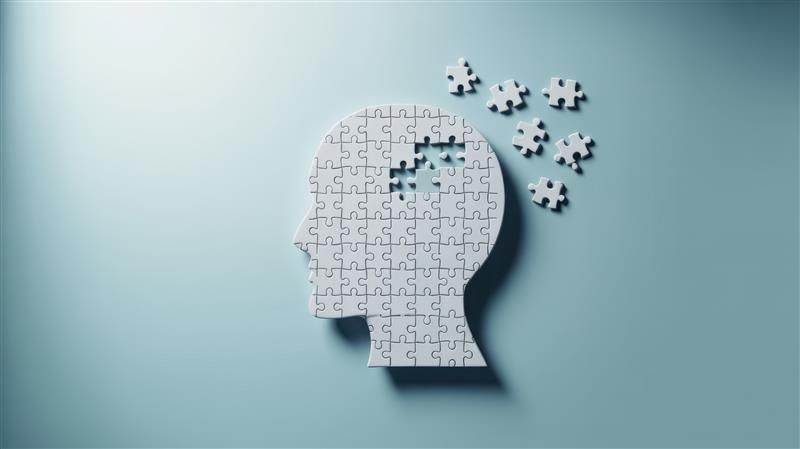
We live in a digital world. We no longer have to memorize phone numbers. Everything can be looked up on the Internet. Is this why we are becoming "digitally demented"? Neurologist Hans Jung on the (supposed) phenomenon.
Hans Jung, the term “digital dementia” crops up in the media from time to time. What is meant by this?
A distinction must be made here: On the one hand, it describes the danger that the collective memory of entire cultures could be lost because analog data carriers such as paper, video cassettes and floppy disks disintegrate or are no longer readable. On the other hand, the term, which is particularly popular in media psychology, refers to the assumption that the intensive use of digital sources such as the internet, smartphones or social media has a direct effect on the human brain.
So, is there anything to it?
That is difficult to answer. Is jogging or reading for 18 hours a day healthy? It doesn’t necessarily have to be, I think. At the Memory Clinic, where we carry out appropriate assessments in cases of suspected dementia, we do not use the term “digital dementia” in any case.
So not an issue for you as a neurologist?
I wouldn’t say that. Overconsumption of computers and digital media can be hazardous to health. However, I don’t think it’s right to talk about “digital dementia” in this context. That is the wrong term. Why? Dementia is the disease-related loss of brain function. This is where it differs fundamentally from “digital dementia”. If excessive use of digital media leads to a change in behavior or cognitive abilities, this is more likely to be due to psychological circumstances. For example, social isolation or a lack of interpersonal interaction, or depression. Whether disease-related or “digital” dementia, in both cases it is equally true that social interaction and real “mental work” are among the most effective preventive measures.
While we’re at it: How do I keep my brain fit – today, tomorrow and the day after tomorrow?
If you do enough physical and mental exercise, you are already doing a lot right. In this respect, digital means sometimes even have a benefit in special situations. I’m thinking of older people, for example, who can keep in touch with their relatives thanks to their smartphone or tablet, or have the opportunity to solve brainteasers online. As with almost everything in life, it all depends on one thing: the extent to which you use, operate or consume something. This was already the case five hundred years ago with Paracelsus – and it also applies to the digital age.