Tuberculosis - an epidemic from days gone by? Quite the opposite: the infectious disease still exists, even in Switzerland.
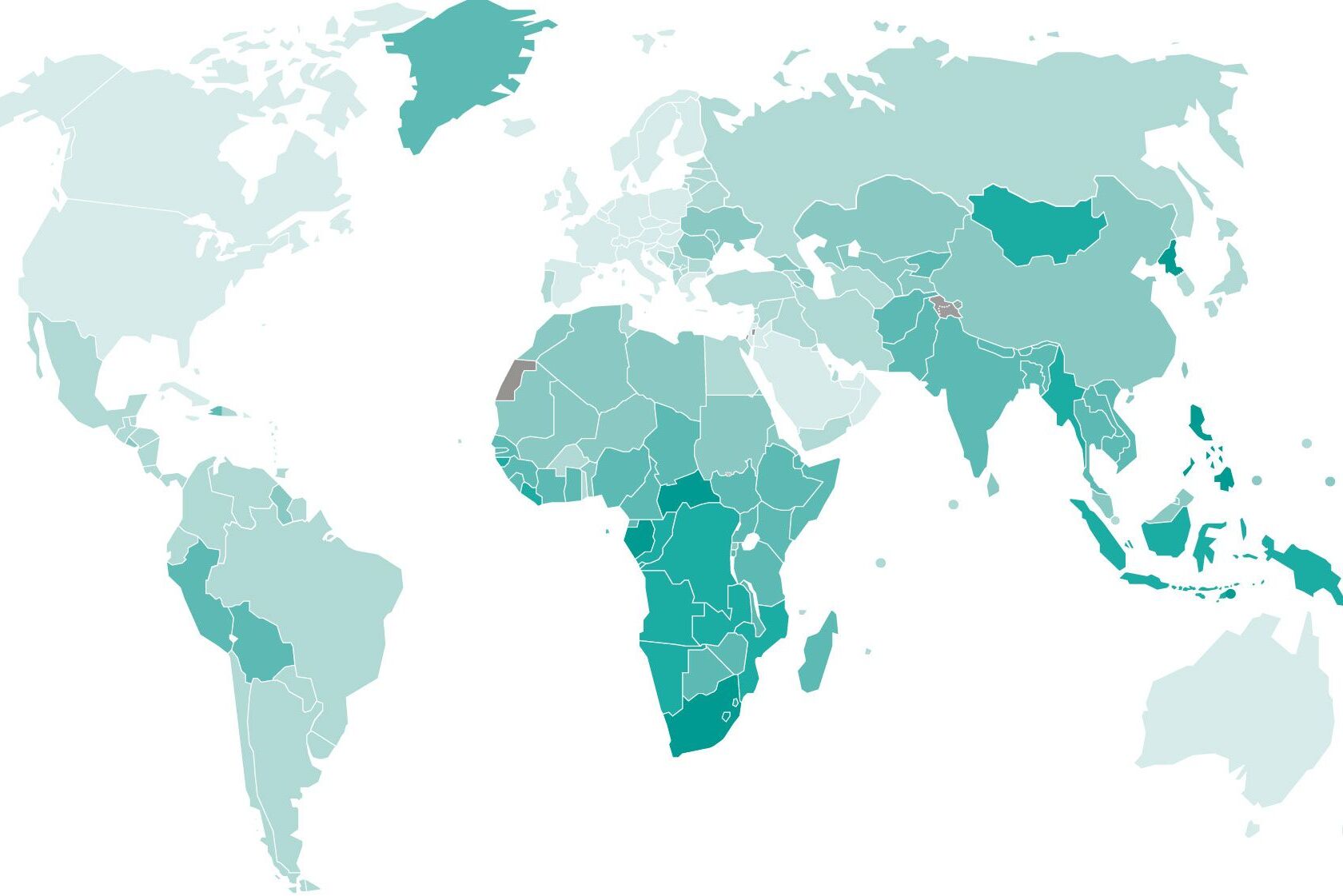
In 2020, 9.9 million people worldwide contracted tuberculosis and 1.5 million died from it. This makes tuberculosis the infectious disease with the second highest number of deaths worldwide after COVID-19. Most people with the disease live in the southern half of Africa and in Asia. But Switzerland still records around 500 cases a year.
Infection control through contact tracing
Most of the people infected with tuberculosis in Switzerland were infected in a country where tuberculosis is still widespread. The fact that the disease has been contained in Switzerland and has not spread further, even in new cases, is primarily due to the immediate isolation and prompt treatment of patients as well as rigorous contact tracing. The diagnosis is often not so easy to make at the beginning. “The symptoms are non-specific; fever, cough, general malaise, night sweats or weight loss are also common in many other diseases,” explains Silvan Vesenbeckh, senior physician at the Clinic for Pneumology.
“Sleeper” in the body
In addition, an infection with tuberculosis pathogens does not necessarily lead to illness. Although around 90 percent of those infected carry the bacterium, they have no symptoms and are not infectious to others. The defense cells form a wall around the pathogens and thus encapsulate them from the rest of the surrounding tissue. They can survive there for years without harming the infected person. However, this latent infection can become active, i.e. turn into a disease. For example, if the immune system is weakened and can no longer maintain the wall, such as in the case of an HIV infection or in old age. This means that people can suddenly fall ill even years after the actual infection.