Have you resolved to live healthier this year? Then you'll know that it's not that easy to eat healthier, drink less alcohol or exercise more from one day to the next. The example of high blood pressure shows that even small steps are worthwhile.
Although the year is still young, the first resolutions have probably already been thrown overboard. Eating healthier, drinking less alcohol or quitting smoking: Resolving to do something is easier than following through with it.
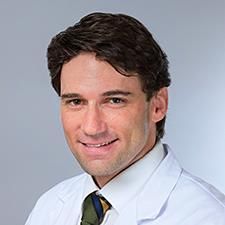
The best example of how a healthy lifestyle pays off is high blood pressure. Every second person over the age of 50 has too high a value, but many younger people and even children are also affected. Although so-called hypertension runs its course for a long time without any symptoms, it can lead to serious cardiovascular diseases as well as strokes and cerebral hemorrhages. It is true that it is largely genetically determined whether someone’s blood pressure is too high. “But the good thing is that you can do something to lower your blood pressure,” says PD Dr. Christian Schmied, Head Physician at the Cardiology Outpatient Clinic at the University Hospital Zurich. He gives an example: “If we all did everything we could influence, over 90 percent of heart attacks could be prevented.”
People who are particularly at risk of high blood pressure are those who are overweight, drink a lot of alcohol and generally have an unhealthy diet. Too little exercise and negative stress can also lead to so-called hypertension. Most of those affected are probably aware that these behaviors pose a health risk. Nevertheless, many do not manage to get rid of their vices. According to Schmied, two things are therefore important to know. Firstly, that even small steps help: For example, if an overweight person loses six kilos, their systolic blood pressure drops by around 12 mmHg. “A decrease in blood pressure of 12 mmHg in turn reduces the risk of suffering a stroke by up to 40 percent,” Schmied calculates.
Measuring blood pressure correctly
Schmied’s second message is almost more important: “Everyone should measure their blood pressure regularly.” But watch out: Almost one in three people have higher blood pressure when measured at the doctor’s office than at home (so-called “white coat hypertension”). The reverse is somewhat rarer, but all the more dangerous: the blood pressure is actually too high, but at the doctor’s it is within the norm (“masked hypertension”).
“The key is to measure correctly,” summarizes Schmied, “and for patients with previously normal blood pressure, once or twice a year, both at the doctor’s and at home.” You should always rest for at least five minutes beforehand, and the measurement itself is best carried out using a cuff on the upper arm. Anyone with a resting blood pressure of over 140/90 mmHg should consult a doctor. Sometimes medication is necessary for treatment. However, lifestyle adjustments are always part of the therapy. “It’s completely normal to need help with this,” says Schmied. At the USZ, for example, various specific consultation hours are offered depending on the cause of the high blood pressure.