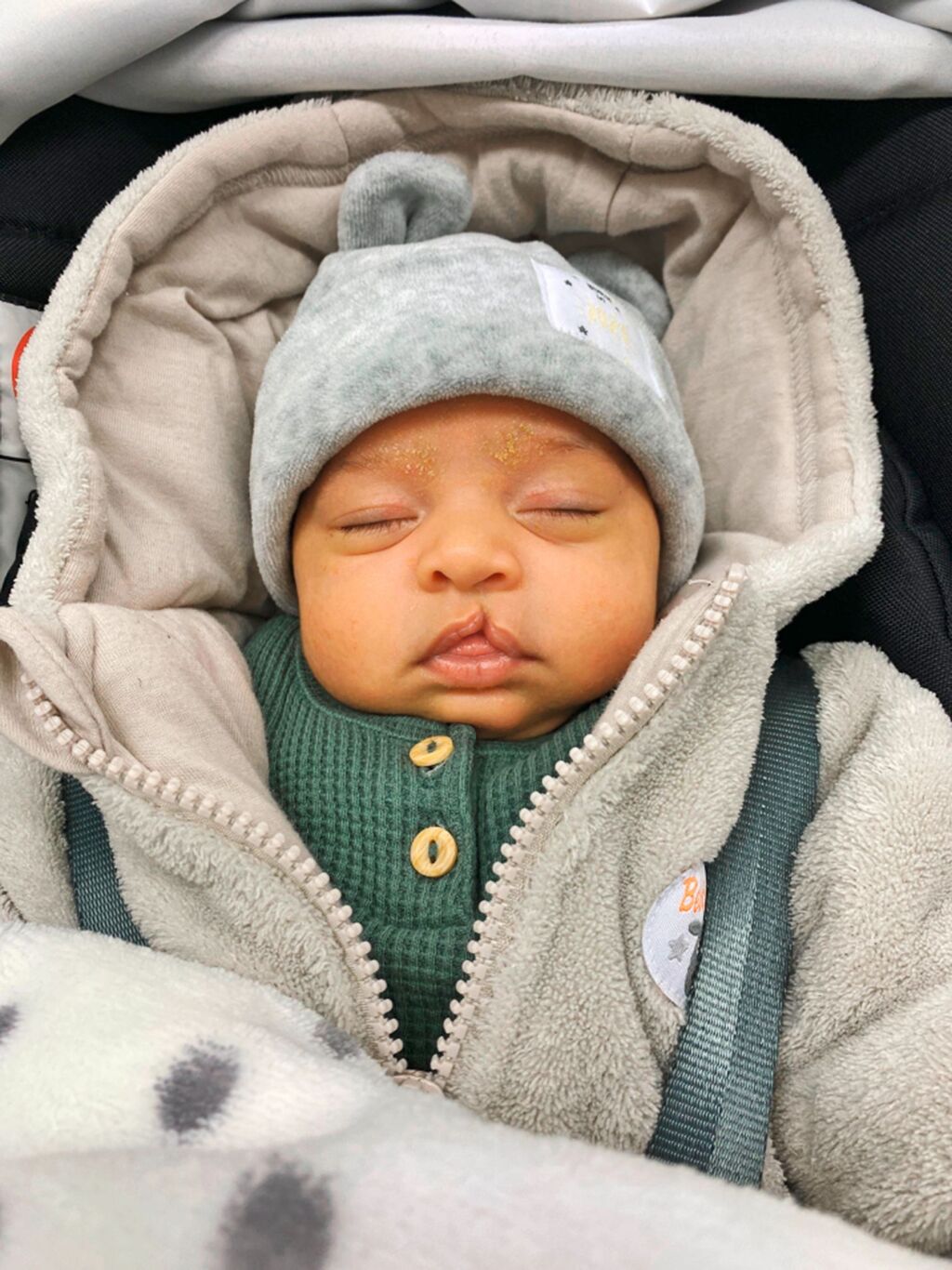
The treatment of newborns with cleft lip and palate is carried out on an interdisciplinary basis together with the Center for Interdisciplinary Craniofacial Surgery. The cleft formation can be of varying degrees; it can be an isolated cleft lip, a cleft palate or a continuous cleft lip, jaw and palate.
Care before the birth
Whenever possible, we will work with the specialists involved to advise you in detail about the processes and the necessary steps towards normal form and function before the birth.
For your concerns and questions regarding the care of your child after birth, a specialized “contact person for children with cleft formation in neonatology” is also available at our clinic. If you wish, she will contact you during your pregnancy and inform you about your forthcoming stay in hospital. It will also be possible to visit our neonatology department.
Treatment after the birth
The first contact with your child takes place immediately after birth. After getting to know each other, your child will be examined by a pediatrician.
If only the lip and/or jaw are affected by the cleft, your child can be transferred to the postnatal ward with you. In these children, drinking is usually not or only slightly impaired.
During the puerperium, the malformation is assessed for the first time by our colleagues at the Center for Interdisciplinary Craniofacial Surgery and your child’s well-being is closely monitored by our pediatricians.
Treatment procedure for cleft lip and palate
If the palate is also affected by the cleft, the focus after birth will be on feeding your child. Newborns with cleft palates are therefore admitted to our neonatology clinic as inpatients.
Again, the treatment team at the Center for Interdisciplinary Craniofacial Surgery assesses the cleft formation at an early stage and, if necessary, takes an impression to make a drinking plate (separating plate between the nasal and oral cavities). The drinking plate is inserted promptly into the cleft palate of your child and its fit is optimized in the following days by selective grinding.
Close support and guidance
During this time, you as a family will be closely supported by our nursing staff and the “contact person for children with clefts” and involved in the care and nursing of your child. This includes care activities adapted to your child’s specific situation, such as cupping, breastfeeding, mouth and lip care and handling or caring for the feeding plate.
We show you how to recognize your child’s subtle signals, interpret them correctly and react appropriately. This will help you to build a good and secure bond with your child. Of course, they also receive information material and suitable teats for the time after their stay in neonatology.
Discharge
The patient is usually discharged home after a few days, although a longer stay in hospital is rarely necessary until the patient has reached a sufficient drinking level.
If you leave before your newborn baby goes home, there are two family rooms available in our clinic. You can “move in” to one of these rooms and look after your child on your own and independently, although we will continue to provide you with quick and uncomplicated help and advice during this time.