Being severely overweight has serious health consequences and can have a massive impact on quality of life. At the Zurich Obesity Center, an interdisciplinary team clarifies the various symptoms and causes of this complex disease.
Text: Helga Kessler
“I wish they had operated on me earlier.” Visceral surgeon Marco Bueter hears comments like this time and again. For severely overweight people, surgery is often the last chance for significant weight loss. Those affected often have to go through an arduous journey lasting years: surgery is usually only considered if all medical and personal efforts remain unsuccessful and it is not possible to reduce the weight or keep it stable after a successful diet. At the Zurich Obesity Center, an interdisciplinary team from endocrinology, visceral surgery, nutritional counseling and psychiatry clarifies the causes of massive obesity and possible treatment options. Where indicated, surgery is also suggested earlier in the treatment process.
Too much food, too little exercise
“Obesity is a complex disease,” emphasizes endocrinologist Philipp Gerber. The connection is actually quite simple: obesity occurs when the body absorbs more energy than it uses and stores the excess reserves in fat deposits. In fact, it’s a little more complicated than that: among other things, genes are involved that control the body’s energy consumption and the way the body regulates both hunger and satiety. The development of obesity is decisively influenced by lifestyle with a lack of exercise and incorrect eating and drinking habits. At a young age, the parental environment can have an unfavorable influence. Later on, professional stress and the stigmatization that overweight people face can have a negative effect and increase the urge to eat. In rare cases, obesity is caused by specific genes, a metabolic disorder or certain medications.
“If conservative therapies don’t work, surgery can be a sensible option.”
High risk of secondary diseases
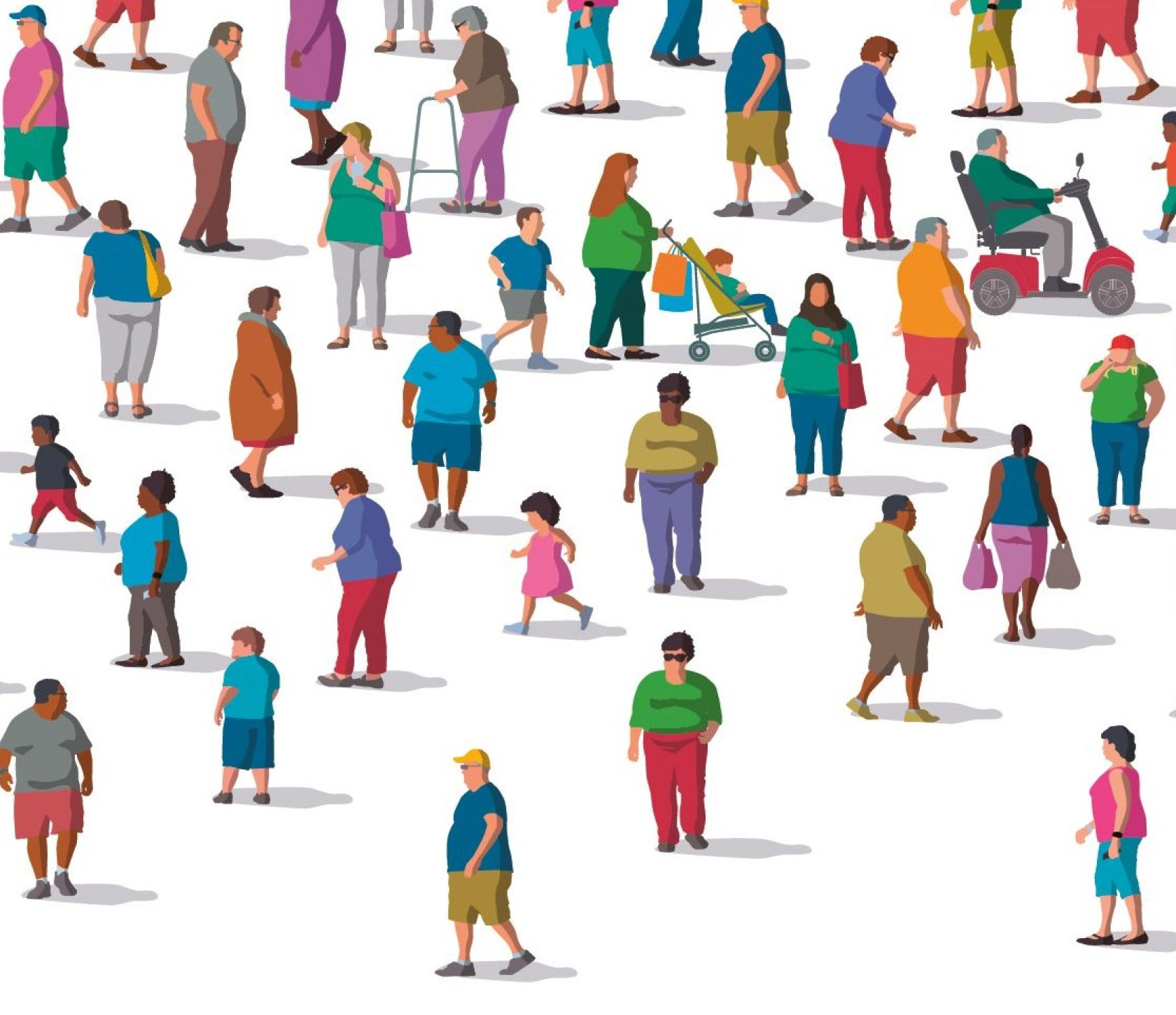
In Switzerland, 43 percent of the population is considered overweight, 12 percent are severely overweight or obese. The extra pounds increase the risk of secondary diseases such as high blood pressure, type 2 diabetes, arteriosclerosis, fatty liver, sleep apnea, joint inflammation, asthma and various cancers. With the right treatment, it is possible to reduce the risks: “Losing just a few kilos of weight can make a big difference,” says endocrinologist Philipp Gerber. Blood sugar can drop so much that insulin is no longer needed, and blood pressure can also normalize. Such successes are usually achieved through a combination of medicinal and psychological therapies as well as nutritional and exercise therapies.
Efficient syringes and capsules
There is not a large selection of medications that can be used to treat obesity. But that could soon change. “Many drugs are currently being tested in studies,” says Philipp Gerber. Three different prescription drugs are currently available, two of which can be injected independently using a pen.
The preparations originally developed to treat type 2 diabetes act primarily via the brain and the gastrointestinal tract. They lead to a feeling of satiety. They also slow down the emptying of the stomach after meals and thus reduce hunger. Orlistat, which is taken as a capsule, has been available for a long time. The active ingredient does not affect the appetite, but inhibits the absorption of fat in the intestine. The disadvantage of injections and capsules – as with sports programs or diet plans – is that their effect disappears as soon as they are discontinued.
Nutritional recommendations tailored to the individual
The recommendations given during the obesity consultation on more exercise and an adapted diet are designed to have a long-term effect. The nutritional recommendations are based on the medical guidelines, which vary greatly depending on the secondary illness and are geared towards the individual. “We don’t work with fixed plans, but also take into account the life situation, habits and wishes of those affected,” says nutritionist Noela Vontobel. This results in a nutrition plan that is constantly adapted in terms of composition, quantity and eating rhythm and can be integrated as easily as possible into the individual’s everyday life. The aim is to change eating habits permanently, preferably for life. Obesity is a chronic disease.
Bypass around the stomach
“If conservative therapies don’t work, surgery can be a sensible option,” says Philipp Gerber. Around 250 bariatric operations are performed at the Zurich Obesity Center every year. The most common method at the USZ and in Switzerland is the gastric bypass. The stomach is greatly reduced in size, which means that it can absorb less food. The residual stomach remains in the body. In addition, the small intestine is diverted so that the digestive route is shorter: some of the calories from fats and sugar are not absorbed by the body. In sleeve gastrectomy, the most commonly used surgical technique worldwide, part of the stomach is completely removed, leaving a narrow tube. The gastrointestinal passage is not changed. “The technique is simpler, but often leads to side effects such as severe reflux,” says Marco Bueter. Both methods lead to significant weight loss.
Eating out of exhaustion?
A consultation with a psychotherapist is essential before bariatric surgery. “We try to work with patients to find out what the reasons are for any unchecked urge to eat,” says Patrick Pasi. The trigger can be boredom, but it is often caused by anxiety or pressure to perform. “Contrary to the common preconception that they are lazy and sluggish, many severely overweight people are very conscientious and find it difficult to set themselves apart,” observes psychiatrist Patrick Pasi.
The constant exhaustion is then often compensated for with almost compulsive eating. If the therapist recognizes such correlations, he can develop strategies together with the affected person that lead to different behaviour in the long term. This is successful in two out of three cases, often even after bariatric surgery, says Patrick Pasi. “Most patients are then very happy because they finally look different again. But they also realize that they may have automatically compensated for unpleasant feelings with food in the past and now have to find new coping strategies.”
Obesity Consultation
We look after patients with obesity in the obesity consultation. We discuss individualized nutrition and exercise measures and evaluate surgical operations.