If bacteria are immune to antibiotics, the treatment of infections becomes difficult or impossible. The USZ's antibiotic stewardship program aims to contain resistant bacteria and ensure the effective treatment of its patients.
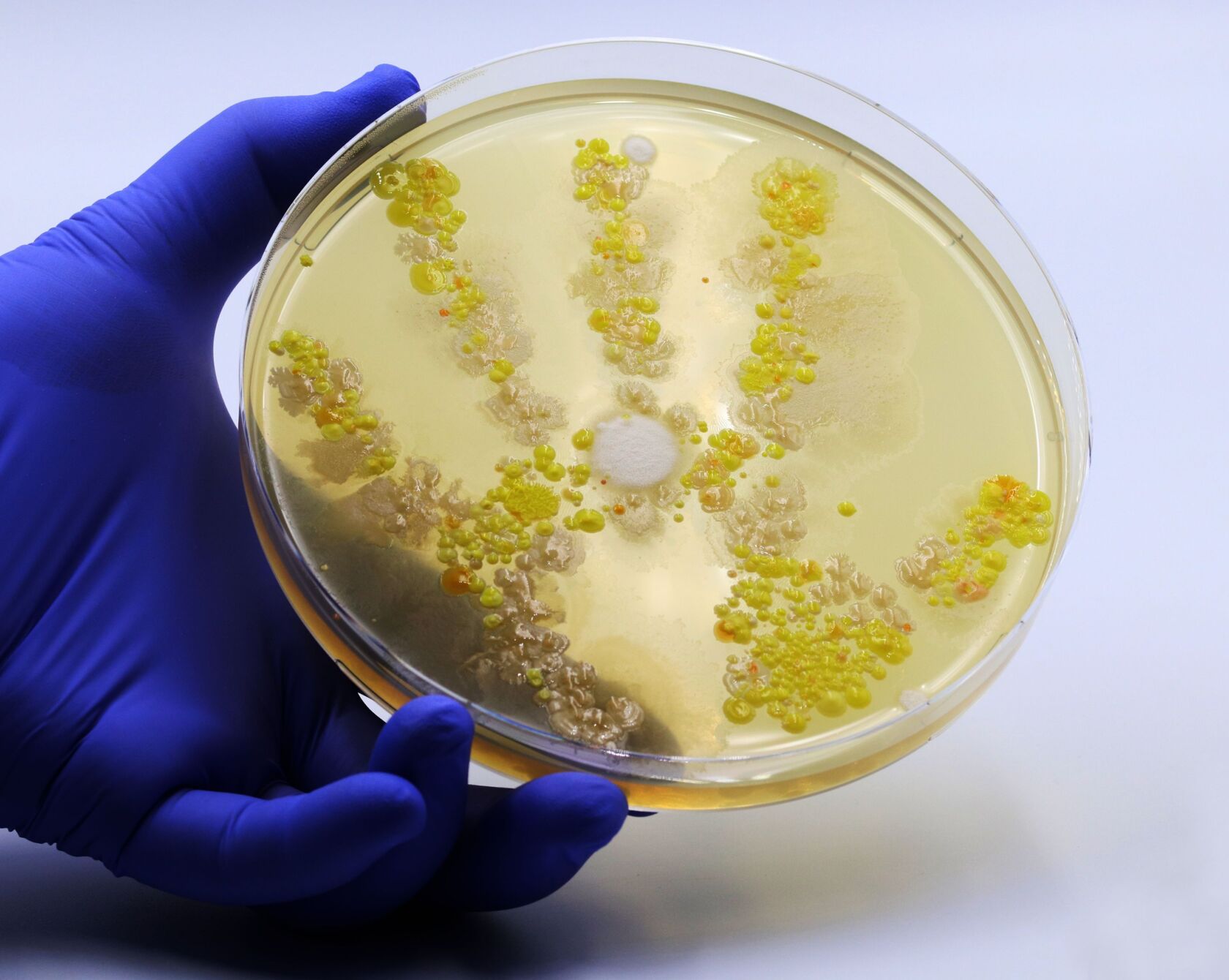
The discovery and development of antibiotics to treat bacterial infections is one of the most significant achievements in medicine. However, due to their widespread use in medicine and agriculture, the bacteria have adapted in such a way that antibiotics – the drugs used against these bacteria – are no longer effective: The bacteria survive and can grow; infectiologists then speak of resistance. If the bacteria are resistant to several antibiotics, experts speak of multi-resistant bacteria. However, resistance to active substances is becoming an increasing problem not only with bacteria, but also with other pathogens such as fungi or viruses.
Promoting attention and knowledge
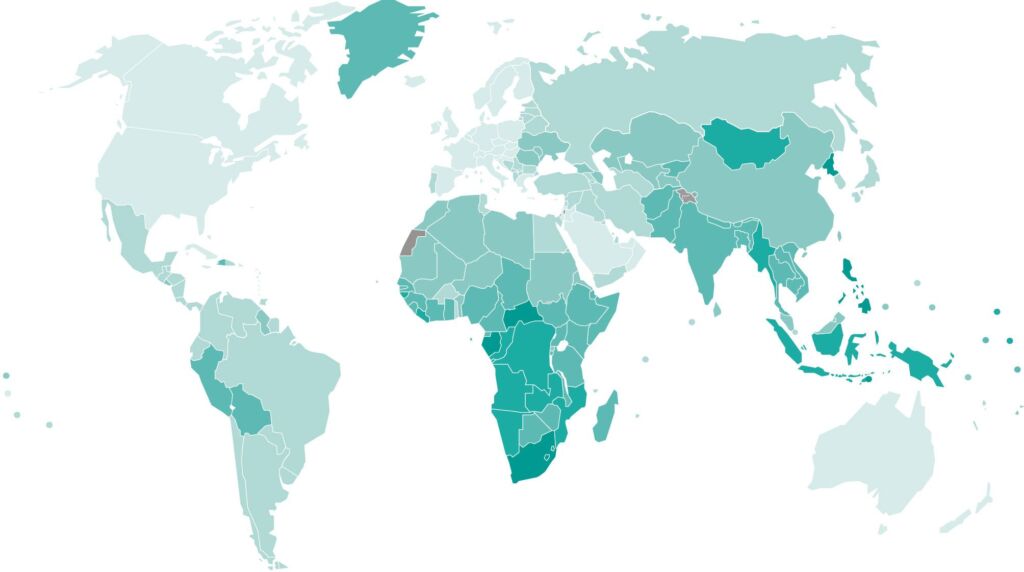
Infections with these resistant pathogens are often much more difficult and sometimes even impossible to treat. According to the WHO, the direct consequence of this was more than 1.1 million deaths worldwide in 2021, with the figures in adult medicine having risen sharply over the last 30 years. By 2050, the WHO estimates the number of deaths due to antibiotic resistance at 1.9 million people worldwide per year. With the annual “World Antimicrobial Resistance Awareness Week”, the WHO and numerous other organizations, including the Federal Office of Public Health (FOPH), draw attention to the problem of the development of resistance. In addition to raising public awareness and providing information, measures at individual hospital level are also key to combating this trend and preventing deaths.
Targeted measures at the USZ by a specialized team
At the University Hospital Zurich, a specialized team from various professional groups (doctors, nurses and data managers) is dedicated to improving the use of antibiotics in the Antibiotic Stewardship Program. Important measures for this are a precise examination of whether antibiotic therapy is indicated in the individual case and the most targeted selection and duration of therapy for the respective infection. The team supports the clinics at the USZ with innovative methods: in an ongoing pilot project, the current resistance data are continuously integrated into the antibiotic guidelines, with treatment recommendations for empirical therapy (i.e. if an infection is suspected when the pathogen is not yet known), close monitoring of complicated cases via an infectiology consultation service. Notes in the hospital information system draw attention to this if reserve antibiotics in particular are administered for longer than necessary. In addition to improving patient care, the USZ is also helping to halt the development of bacterial resistance and reduce treatment costs.
Antibiotic consumption is tracked using a tool
In order to be able to plan additional targeted interventions, a tool for monitoring antibiotic consumption was recently developed at the USZ. This allows trends in the use of antibiotics throughout the hospital and in all clinics to be analyzed and understood over a period of years and provides important information for improvements. The Clinic for Infectious Diseases and Hospital Hygiene carries out regular audits, as targeted treatment can prevent many complications (development of resistance, side effects, disruption of the microbiome with overgrowth by pathogens such as C. difficile).
Thanks to real-time information, action can be taken quickly
Similar to the consumption of antibiotics, the USZ also continuously monitors multi-resistant pathogens, which are displayed on a daily dashboard. The consumption of antimicrobial substances and the occurrence of antibiotic resistance can thus be tracked in real time. In outbreak situations, this monitoring enables infectious disease specialists to react quickly and thus protect our patients and employees.
A new app makes knowledge accessible to everyone
Good knowledge of the resistance situation in Switzerland in general and in the USZ is crucial in order to select an effective antibiotic therapy for a specific infection. For this reason, current local resistance data will be integrated into the antibiotic guidelines in the form of an innovative web app (INFECT by USZ) by 2025. This gives treatment teams uncomplicated access at all times to information on which pathogens and the effectiveness of a planned therapy can be expected for a specific infection.
To the story: Novel defense strategy could replace antibiotics