For patients with cancer, the first priority is treatment. But progress in cancer medicine is made through research. At the Comprehensive Cancer Center Zurich (CCCZ), it is therefore an inseparable part of clinical care and a central component of modern cutting-edge medicine.
A current example of this is the PARTACER-Suisse research project. The study is investigating why certain drugs lose their effect over time in a specific form of colorectal cancer – and how such treatment resistance can be better prevented or overcome in future.
Colorectal cancer is not always the same
Many people think of bowel cancer as a single disease. In reality, however, there are various biological subgroups. These are distinguished by changes in the genetic material of the tumor cells. One of these changes concerns the so-called BRAF gene. If this gene carries a certain mutation – called BRAF V600E – the tumor can grow particularly aggressively. In metastatic colorectal cancer, i.e. when the cancer has already spread throughout the body, this variant is associated with a less favorable prognosis.
What does targeted therapy mean?
So-called targeted therapies are now available for this form of colorectal cancer. Unlike conventional chemotherapy, these drugs target specific molecular weak points in the tumor.
A combination of two drugs is often used for BRAF mutations:
- Encorafenib – blocks the altered BRAF protein
- Cetuximab – blocks a signaling protein on the surface of cancer cells
This combination can often significantly slow down tumor growth. Unfortunately, however, many patients experience a problem after some time: The tumor adapts and becomes resistant to treatment.
When the tumor finds new ways
Cancer cells are very adaptable. When a drug blocks an important signaling pathway, tumor cells can sometimes activate alternative pathways to continue growing.
It is precisely these changes that the PARTACER-Suisse study aims to better understand. Researchers speak of resistance mechanisms.
The aim of the study is to identify the genetic and biological changes that occur when a therapy loses its effect. A better understanding of these processes can help to develop new treatments or use existing therapies in a more targeted way.
How the study works
PARTACER-Suisse is a Swiss-wide clinical study involving several hospitals. It is planned that around 30 patients with metastatic colorectal cancer and a BRAF mutation will take part.
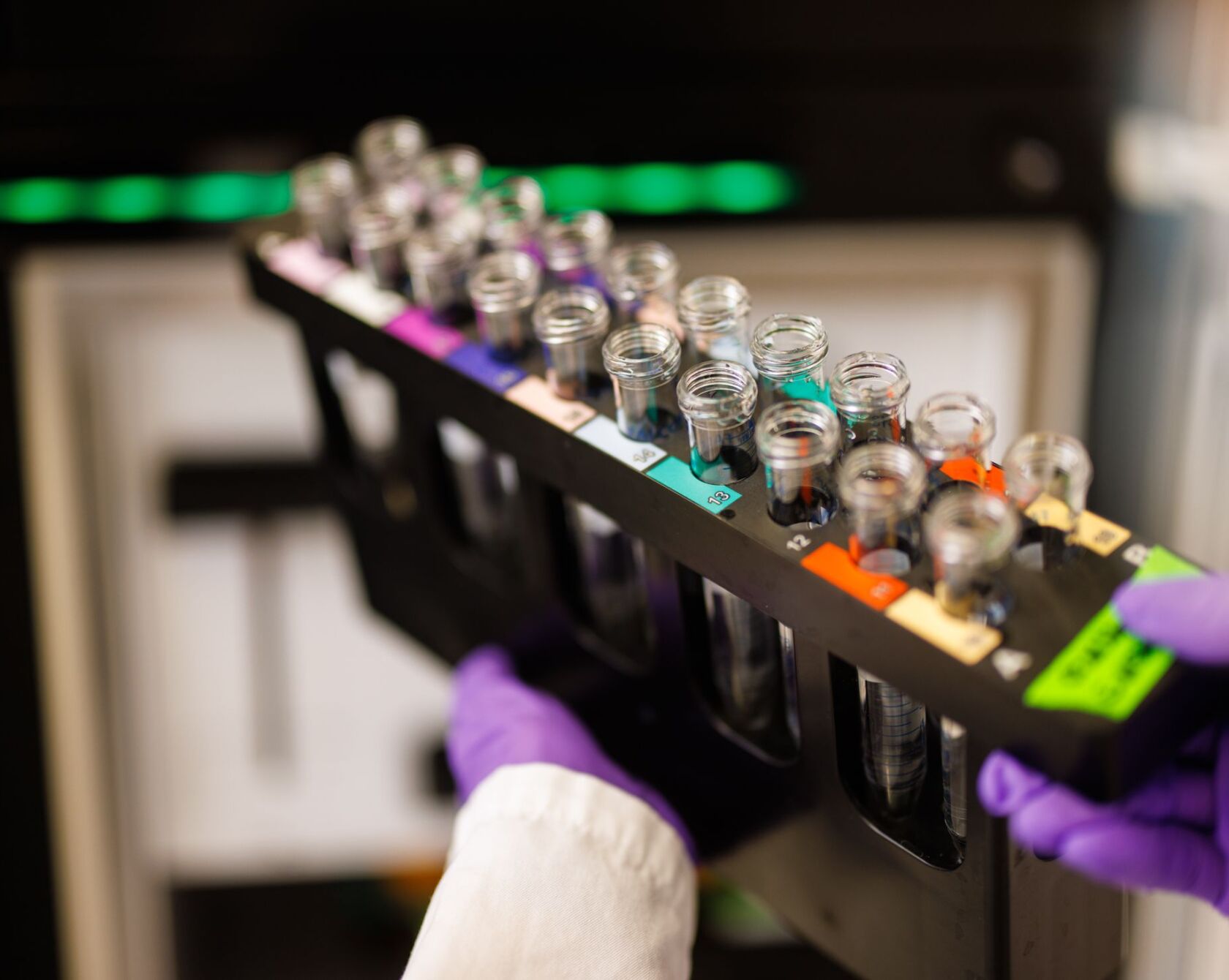
During treatment, various samples are collected, including tumor tissue from biopsies, blood samples and sometimes stool samples. These are examined at different times – both before the start of therapy and again later, for example if the tumor changes. In this way, researchers can understand which biological changes take place in the tumor during treatment.
Tumor research in the laboratory
Another part of the project takes place in the laboratory. There, so-called organoids are produced from tumor tissue. These are small, three-dimensional tumor models that grow from patients’ cancer cells. These organoids enable researchers to test therapies under controlled conditions and observe how tumor cells react to different drugs. This allows new treatment strategies to be developed before they are later tested in clinical trials.
“The aim of this study is to understand why tumors grow again despite initially successful therapy. If we better understand the mechanisms behind this resistance, we can develop new treatment strategies in a more targeted way and further improve therapy for patients with metastatic colorectal cancer.”
Research as part of cancer treatment
Projects such as PARTACER-Suisse show how closely medical care and research are linked today. Findings from the treatment of patients lead to new scientific questions – and scientific results in turn flow into future therapies.
At the CCCZ, doctors therefore work closely with researchers from various disciplines, including molecular biology, pathology, bioinformatics and clinical oncology. The aim is to understand cancer better and better and to continuously improve treatments.
Colorectal Cancer Month: Knowledge creates progress
Every year, Colorectal Cancer Awareness Month draws attention to prevention, early detection and treatment. At the same time, he reminds us how important research is for medical progress.
Because every new therapy, every improved diagnosis and every personalized treatment begins with a scientific question. Projects such as PARTACER-Suisse are an example of how these questions are translated into concrete research – with the aim of making the treatment of colorectal cancer even more effective in the future.
PARTACER-Suisse
In this study, patients with metastatic colorectal cancer with a proven BRAF V600E mutation receive targeted therapy with the drugs cetuximab and encorafenib.