Protein calculator
Our protein calculator uses the information you enter to calculate your daily and weekly protein intake. Simply enter your weekly intake of specific foods below—our calculator will do the rest.
Proteins: Building Blocks for Body and Health
Proteins are among the body’s most important nutrients, along with carbohydrates and fats. They consist of amino acids and are needed, among other things, to build and maintain muscles, organs, skin, and hair. They also play an important role in the immune system and in the functioning of numerous enzymes and hormones.
How much protein a person needs depends on various factors, such as age, body weight, health status, and physical activity. While healthy adults can usually meet their needs easily through a balanced diet, older adults, pregnant women, breastfeeding women, and people who are ill often need more protein. An adequate protein intake supports the maintenance of muscle mass, wound healing, and overall health.
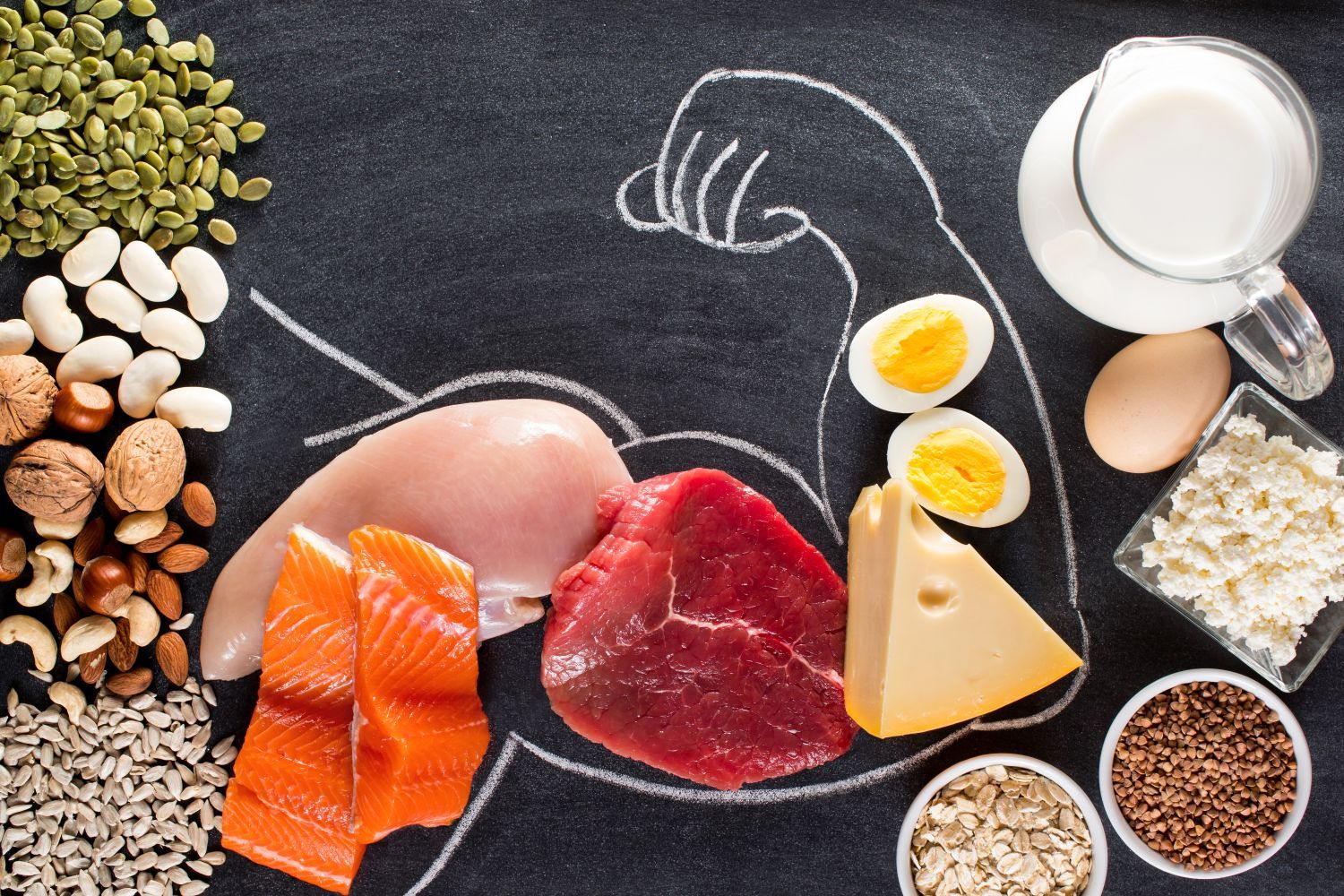
High-quality protein is found both in animal-based foods such as dairy products, eggs, fish, and meat, and in plant-based sources such as legumes, soy products, nuts, and grains. A varied diet with a high proportion of plant-based protein sources is particularly recommended.
With our protein calculator, you can easily calculate your daily and weekly protein intake and determine whether you’re getting enough protein from your diet.
Frequently Asked Questions
In the context of nutrition, both terms mean the same thing: “Protein” is the scientific term, and “Eiweiss” is the colloquial German word.
Daily protein requirements depend on body weight, age, and health status. For healthy adults under 65, the recommended guideline is about 0.8 grams of protein per kilogram of body weight per day (about 56 grams for a 70-kilogram person); for those 65 and older, the guideline is 1.0 to 1.2 grams. These guidelines can be easily met with a normal, balanced diet.
The requirement increases in older age, during pregnancy and breastfeeding, and during illness or recovery—often to 1.2 to 1.5 grams per kilogram per day—and up to 2 grams in cases of severe burns. Recreational sports generally do not increase the requirement; for competitive sports, 1.2 to 2.0 grams are recommended. In cases of existing kidney disease, a consistently very high intake can put a strain on the kidneys.
There is no single “best” source; what matters is the combination. Animal-based foods such as eggs, fish, meat, and dairy products provide all essential amino acids in a favorable ratio, as does soy. Valuable plant-based sources include legumes, tofu, nuts, and grains. When combined throughout the day, they meet your needs well. A diet with a high proportion of plant-based foods is recommended: legumes at least once a week and meat no more than two to three times a week.
For healthy people, even a consistently higher intake—up to about twice the recommended amount (approximately 1.7 grams per kilogram per day)—is safe. The body does not store protein: whatever it does not need for building and repairing tissues, it uses as energy or breaks down. Therefore, more protein does not automatically build more muscle. In cases of kidney disease or increased risk (such as diabetes, high blood pressure, or severe obesity), protein intake should only be significantly increased after consulting a doctor. A balanced diet is always advisable.
Not for most people. A normal, balanced diet easily meets these needs. Supplements may be useful in specific situations, such as when there is a significantly increased need, a loss of appetite, or unintentional weight loss; there are also special liquid nutritional products available for these cases. They should ideally be used after consulting a doctor or a nutritionist.
A deficiency can manifest as muscle wasting and loss of strength, increased susceptibility to infections, and delayed wound healing; in cases of severe deficiency, it can also cause changes in the skin and hair, fluid retention (edema), and fatigue; in children, it can impair growth. A deficiency caused solely by a lack of protein is rare in Switzerland. Malnutrition is more common in people who are ill or elderly.
A deficiency occurs when too little protein is consumed, when it is poorly absorbed in the intestines, when it is excreted in increased amounts, or when the body’s need for it is significantly increased. Common causes include cancer, infections, chronic lung, heart, or kidney diseases, gastrointestinal disorders, major surgeries, burns, advanced liver disease, and eating disorders. In older adults, a poor appetite as well as difficulty chewing or swallowing also play a role.
In older age, an adequate protein intake is particularly important: It helps counteract age-related muscle loss (sarcopenia) and supports the immune system, wound healing, and mobility. The most effective approach is a combination of adequate protein intake and regular strength training. The recommended intake is 1.0 to 1.2 grams per kilogram of body weight per day, provided there are no underlying kidney conditions that would preclude this. Tip: Spread your protein intake across all meals—breakfast counts, too.