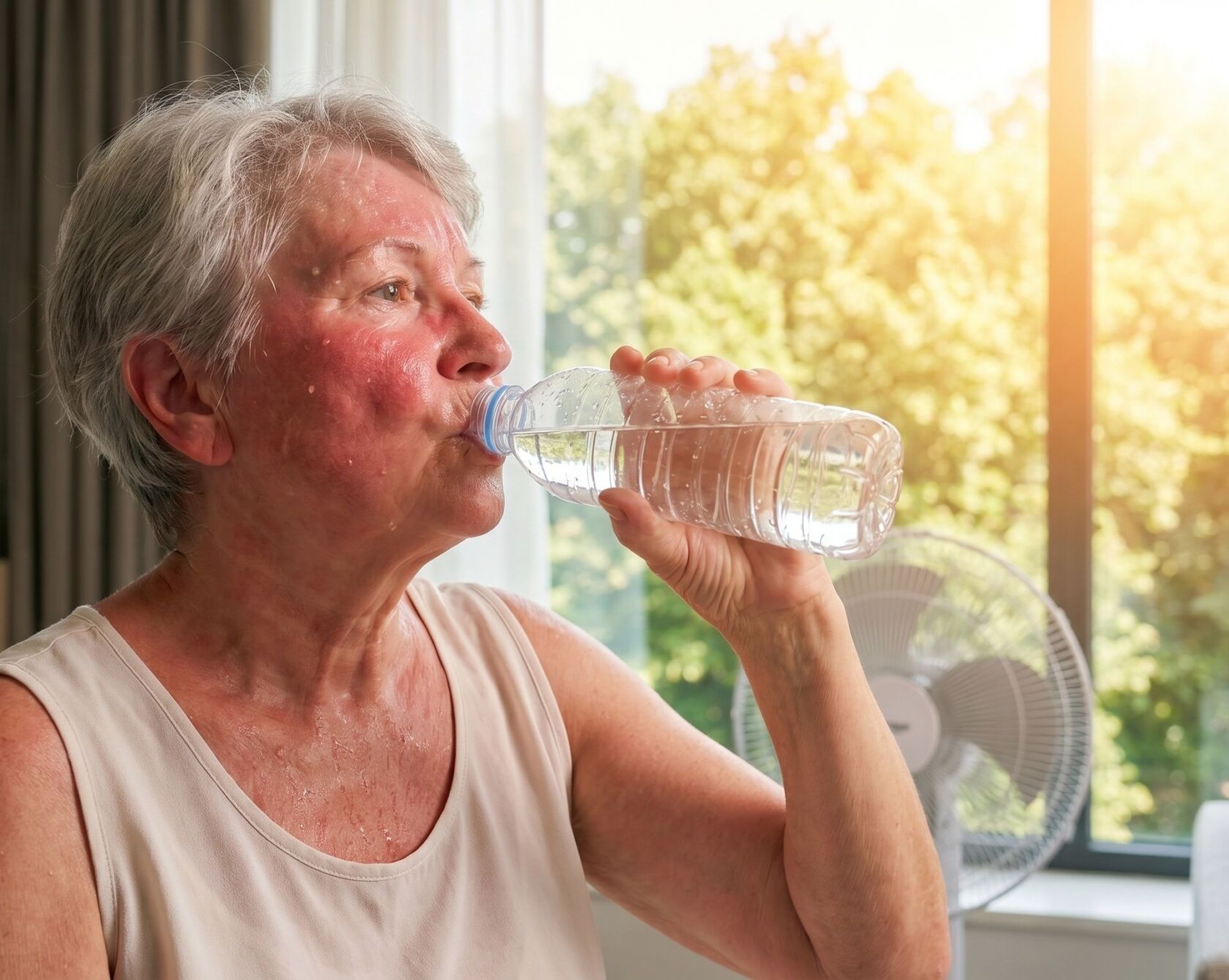
If the body doesn't have enough fluids, the circulatory system is put under strain. This can affect blood pressure, cause the heart to work harder, and, in susceptible individuals, increase the risk of cardiac arrhythmias. The risk of dehydration increases, especially in hot weather, during physical exertion, or when experiencing a fever, vomiting, or diarrhea.
Water ensures that blood flows smoothly and that oxygen and nutrients are transported throughout the body. When there is a lack of fluid, the blood becomes more concentrated, and the heart often has to beat faster to maintain blood flow. In addition, important minerals such as potassium and magnesium can be lost. They play a central role in the electrical control of the heart. If this balance is disrupted, the heart rhythm may become more sensitive.
Even mild dehydration can increase your heart rate and affect your blood pressure. Older people often don’t feel thirst as strongly and therefore don’t drink enough in their daily lives. People with heart disease, low blood pressure, or those taking diuretics are also at particularly high risk. Even a slight loss of fluids can make their symptoms worse. People who sweat a lot in the summer, are physically active, or do physical labor should also make sure to stay properly hydrated. People with known heart rhythm disorders should be especially careful, because dehydration can worsen their symptoms.
How to Recognize Dehydration and Know When to Seek Help
Dehydration often manifests as thirst, a dry mouth, fatigue, dizziness, or dark urine. Some people also experience heart palpitations or a racing heart. In cases of severe deficiency, headaches, muscle cramps, confusion, or significant circulatory problems may also occur. Such symptoms should not be underestimated, especially if they occur suddenly or worsen rapidly. If you experience a racing heart, chest discomfort, severe weakness, fainting, or confusion, seek medical help immediately. This is especially true if the person has not been drinking enough or is suffering from a condition that causes fluid loss.
If detected early, the cause can usually be treated effectively, and in many cases, more severe outcomes can be prevented. If you are unsure, it is best to contact your family doctor’s office or the heart center as soon as possible.
Rule of thumb for fluid intake
The total daily fluid requirement is approximately 30–35 ml per kg of body weight (from beverages and food). For a person weighing 70 kg, this amounts to about 2–2.5 liters per day.
Since some of the fluid is obtained from foods such as fruits and vegetables, the amount of fluid consumed through drinking alone is usually lower. As a general guideline, aim for about 26 ml of fluid per kg of body weight—for a 70 kg person, that’s about 1.8 liters per day. Fluid requirements increase during hot weather, physical activity, or heavy sweating.
How to Prevent Dehydration and Maintain a Healthy Fluid Balance
Drink regularly throughout the day, and don’t wait until you’re very thirsty. Water and unsweetened tea are great staples in everyday life. In hot weather, when you have a fever, or after heavy sweating, your fluid needs can increase significantly. If you have a heart condition or are taking medication, discuss your fluid intake with your doctor. This helps prevent over- or undersupply.
Small sips throughout the day are often easier on the stomach than large amounts all at once. People who consciously monitor their fluid intake can reduce their risk of circulatory problems and heart rhythm disorders and maintain their performance even in hot weather or during physical exertion.
Rhythmology Walk-in Clinic, Zurich
Many people experience sudden heart flutters, palpitations, or an unpleasant sensation of an irregular heartbeat. These symptoms may be harmless, but they may also indicate a heart rhythm disorder that requires treatment. The Rhythmology Walk-in Clinic at the University Hospital of Zurich offers patients direct and straightforward evaluation without the need to make an appointment.