Department of Cardiac Surgery (Allianz Herzchirurgie Zürich-St. Gallen)

The cardiac surgery departments at Zurich City Hospital, HOCH Health Ostschweiz, and the University Hospital of Zurich together form the Zurich-St. Cardiac Surgery Alliance. Gallen. Thanks to the alliance, patients benefit from high-quality and efficient treatment across the entire spectrum of cardiac surgery.

The Department of Cardiac Surgery at the University Hospital of Zurich treats the full spectrum of conditions requiring cardiac surgery—from coronary artery disease and valvular heart disease to complex procedures on the aorta and heart transplants. Together with the Department of Cardiology and other medical specialties, we develop a treatment plan tailored to each patient’s individual needs.

Together with the Zurich City Hospital and HOCH Health Ostschweiz, the University Hospital of Zurich forms the Zurich-St. Heart Surgery Alliance. Gallen. Patients benefit from high-quality, interdisciplinary, and efficient care across the entire spectrum of cardiac surgery.

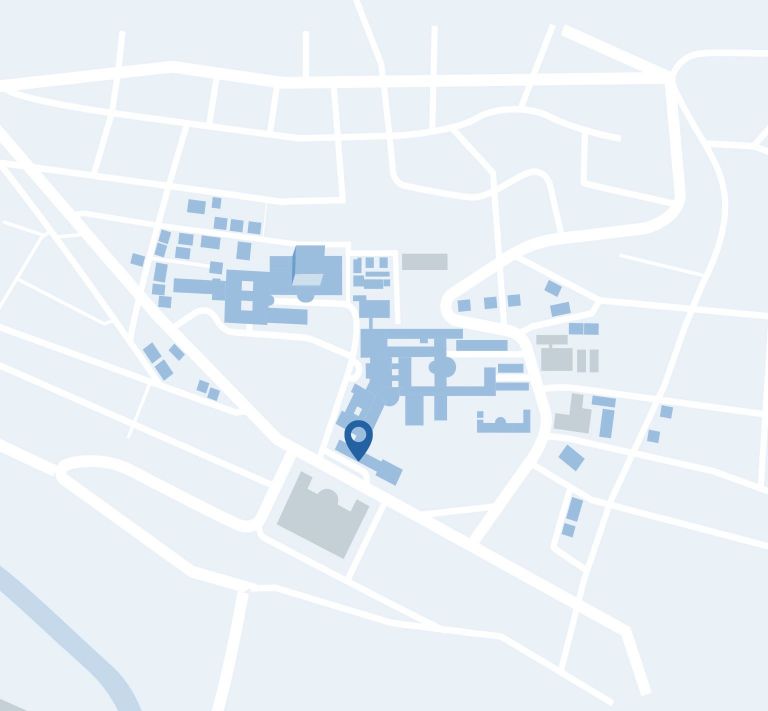
Contact and Location

Do you have any questions about our services, or would you like to contact the Heart Surgery Clinic? We’re happy to assist you and help you with your request.

Department of Cardiac Surgery

University Hospital of Zurich
100 Rämistrasse
8091 Zurich
Tel. +41 44 255 95 82

Information for Referring Physicians

Would you like to refer a patient for a cardiac surgery evaluation or treatment? Use our online referral service or contact us directly. We’re happy to assist you with any questions regarding referrals and scheduling appointments.

Referrer Information

Modern Heart Surgery at the USZ

Cardiac surgery involves the surgical treatment of diseases of the heart and the blood vessels near the heart. These include, among others, coronary heart disease, heart valve disease, and aortic disease. The goal of every treatment is to find the best possible therapy for each patient.

Interdisciplinary Collaboration at the USZ Heart Center

The Department of Cardiac Surgery is part of the USZ Heart Center, where specialists from various fields work closely together. While the Department of Cardiology evaluates heart conditions and offers modern diagnostic procedures as well as medical and interventional treatments, the Department of Cardiac Surgery performs surgical procedures on the heart and the blood vessels near the heart.

The results of the diagnostic evaluation form the basis for further treatment planning. The participating specialists work together to evaluate the test results and determine the most appropriate treatment for each individual. This close collaboration continues throughout the entire course of treatment—from diagnosis and treatment planning through surgery to follow-up care and rehabilitation.

When is heart surgery necessary?

Not every heart condition requires surgery. In many cases, symptoms can initially be treated with medication. Whether cardiac surgery is necessary depends, among other things, on the type and severity of the condition, the patient’s symptoms, and the patient’s overall health.

Heart surgery is particularly an option when other treatment options are insufficient or when surgery is the best long-term treatment. The decision is based on comprehensive evaluations and diagnostic tests. The specialists involved work together as part of the “Heart Team” to evaluate the findings and recommend the most appropriate treatment for each individual.

What heart conditions do we treat?

The Department of Cardiac Surgery treats the full spectrum of heart diseases and diseases of the blood vessels near the heart that can be treated surgically. Depending on the clinical presentation, different surgical procedures are used. Below is a list of some of the most common conditions we treat.

  • Coronary heart disease (CHD): Narrowing or blockages in the coronary arteries that impair blood flow to the heart muscle.
  • Heart Valve Diseases: Disorders of the aortic, mitral, tricuspid, or pulmonary valves.
  • Aortic disorders: For example, aortic aneurysm or aortic dissection.
  • Heart Failure: When the heart’s pumping capacity is severely impaired and surgical treatment becomes necessary.
  • Congenital Heart Defects in Adults: Surgical Treatment of Congenital Heart Defects in Adults.
  • Other Complex Heart Diseases – Individualized Treatment for Rare or Particularly Challenging Conditions.

Note: Not all heart conditions are treated with surgery. Conditions such as arrhythmias or high blood pressure are often treated by cardiologists. If surgery is necessary, the cardiology and cardiac surgery departments at the USZ work closely together.

Our medical offers

The Department of Cardiac Surgery offers the full range of modern cardiac surgical treatments. Depending on the condition, different surgical procedures are used. Below is an overview of our most important treatment options.

  • Bypass Surgery – Surgical treatment of narrowed or blocked coronary arteries to improve blood flow to the heart muscle.
  • Heart Valve Surgery – Surgical treatment of diseased heart valves, such as heart valve surgery or a procedure on the aortic, mitral, or tricuspid valve.
  • Aortic Surgery – Surgical treatment of diseases of the aorta, such as aortic dissection (tear) or a thoracic aortic aneurysm.
  • Heart Transplants and Artificial Heart Systems – Treatment of end-stage heart failure through heart transplants, artificial ventricles, or the implantation of artificial hearts.
  • Congenital Heart Defects in Adults – Surgical Treatment of Congenital Heart Defects in Adult Patients.
  • Combined procedures— depending on the clinical presentation, the procedures listed above may also be performed in combination

In addition, the Cardiac Surgery Clinic offers other specialized procedures and treatments. You can find a complete overview on our page about our medical services.

How a cardiac surgery procedure works

The process leading to cardiac surgery usually begins with a referral from a family doctor, a cardiologist, or another hospital. After a thorough evaluation at the USZ Heart Center, the specialists involved will plan a treatment plan tailored to each patient’s individual needs.

The exact course of treatment depends on the specific heart condition and the individual’s circumstances. A typical process involves the following steps:

  1. Initial Consultation and Evaluation
    Initial assessment of symptoms and medical history, usually in collaboration with the cardiology department and, if necessary, the referring physicians.

  2. Diagnostics
    : Evaluation of heart disease using the necessary imaging and cardiological procedures as a basis for treatment decisions.
  3. Joint Treatment Planning
    The participating specialists determine whether medication, an interventional procedure, or cardiac surgery is the appropriate course of treatment.
  4. operation
    If an intervention is necessary, treatment and information will be provided by the cardiac surgery department.
  5. Intensive Care Unit and Postoperative Care
    After surgery, monitoring and initial recovery take place in close collaboration with the intensive care and anesthesia teams.
  6. Rehabilitation and Follow-up Care
    After the procedure, we support your continued recovery and coordinate the appropriate rehabilitation, either on an outpatient basis or at a specialized clinic.

What Sets Heart Surgery at the USZ Apart

The Department of Cardiac Surgery at the USZ is committed to modern cardiac medicine, interdisciplinary collaboration, and high-quality care. Find out what sets our clinic apart and why patients and referring physicians choose to receive treatment at the USZ.

Personalized Treatment, Even for Complex Conditions

Thanks to increasing life expectancy and better therapeutic options, we are seeing more older patients today than in the past. They often have a whole range of secondary diseases that unfortunately prevented heart surgery just a few years ago. Today, we can often help these seriously ill heart patients. We are happy to support you with information about heart surgery on our website. Individual solutions require individual advice. We would therefore like to encourage you to contact us directly if you have any questions.

Best medical care

We want to offer and provide excellent medical care and sustainably support the University Hospital’s leading position in this area. As a maximum care provider, we offer all treatment options at all times and are on call for you around the clock all year round.

World’s Best Specialized Hospitals 2026

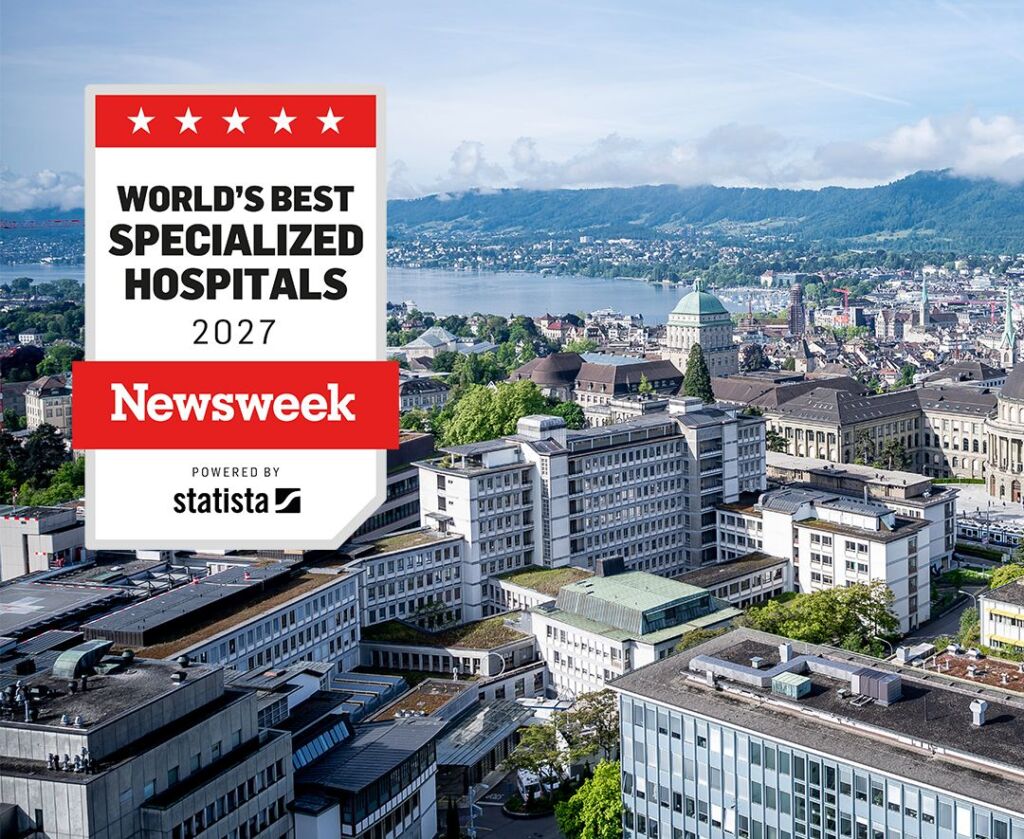
In the “World’s Best Specialized Hospitals 2026” ranking, the Clinic for Cardiac Surgery came out as the best Swiss specialist clinic and achieved an excellent ranking worldwide. We are very pleased to receive this recognition, which underscores our team’s dedication and hard work in caring for our patients.

Our Team

The Department of Cardiac Surgery is supported by an experienced team of cardiac surgeons and other specialized professionals. Together with experts from various disciplines, we support our patients every step of the way—from diagnosis through surgery to follow-up care.

Patient Testimonials

  • Anonym

    ★ ★ ★ ★ ★
    After a 3-month break, I'm back in the swing of things at work. I've also started doing my favorite sport again—swimming. I feel better than ever before. My heart is beating more steadily than ever before, and I'm more productive than I was before the procedure. What more could you ask for? I would like to take this opportunity to express my sincere gratitude for your minimally invasive surgical skills, which yielded maximum results—I am thrilled with your procedure and the advancements in modern medicine. With me, you've gained a patient who is completely satisfied.
  • Anonym

    ★ ★ ★ ★ ★
    Today marks the anniversary of my heart surgery. I am very grateful to you for your tremendous effort and for the successful procedure. My wife and I also have fond memories of your calm, friendly, and understanding manner during the preliminary meeting.
  • Anonym

    ★ ★ ★ ★ ★
    In May, I was under your care for a leaky mitral valve. Now, three months later, I'm doing very well. The recovery is going wonderfully. I would like to express my sincere thanks for the excellent work you and your team have done. This is not a given.
  • Anonym

    ★ ★ ★ ★ ★
    After our first in-person meeting at your office, I knew right away that I was in the best hands. This belief has been consistently confirmed throughout the course of my treatment. My family and I would like to thank you from the bottom of our hearts for your outstanding expertise, professionalism, compassion, and consistently positive attitude. You are an extraordinary person who lives out your calling and has mastered it to perfection. We would like to thank you once again for everything you have done for me and for the opportunities you have made possible for me and us.
  • Anonym

    ★ ★ ★ ★ ★
    Just one week after the surgery, I'm sitting at home and able to write these lines to you. You operated on me exactly seven days ago. The fact that I am able to do this today, given my current condition, fills me with great relief—both physically and mentally. Given the complexity of the procedure, I am particularly impressed by how smoothly things have gone so far. As a layperson when it comes to medicine, I can't fully grasp the technical details. However, the results and how I feel speak for themselves and give me a clear picture of the care, precision, and technical skill with which this procedure was performed.
  • Anonym

    ★ ★ ★ ★ ★
    My experience at the hospital was very positive. The doctors were extremely professional and kind. The nursing staff was friendly, helpful, and always attentive. The clinic was clean and well-maintained, and the treatment process was well organized. I felt very well taken care of throughout my entire stay. Overall, I am very satisfied with the treatment and the services provided, and I can wholeheartedly recommend this clinic. Many thanks to all the doctors and staff!
  • Anonym

    ★ ★ ★ ★ ★
    With his highly professional, friendly, and calm demeanor, Prof. Dzemali managed to put all my fears and worries about the surgery to rest. Many thanks to the entire team, including the hospitality industry at the USZ.
  • Anonym

    ★ ★ ★ ★ ★
    Thank you very much—I am grateful that the University Hospital (especially the doctors in the cardiac surgery department) was able to give me a new quality of life through their knowledge and technical expertise.

Frequently asked questions

Cardiac surgery involves the surgical treatment of diseases of the heart and the blood vessels near the heart. These include, among other things, bypass surgery, heart valve surgery, aortic procedures, heart transplants, and the use of mechanical cardiac assist devices.

Cardiology specializes in the diagnosis and the pharmacological and interventional treatment of heart disease. Cardiac surgery involves surgical procedures on the heart and the blood vessels near the heart. Both departments work closely together at the USZ Heart Center and jointly determine the most appropriate treatment for each patient.

Cardiac surgery encompasses various surgical specialties. Among the most important are bypass surgery, heart valve surgery, and procedures on the aorta. Most of these procedures are already performed using a minimally invasive technique. Depending on the condition, heart transplants or mechanical cardiac assist devices may also be used.

The duration of heart surgery depends on the type and complexity of the procedure. Minor procedures often take a few hours, while more complex surgeries take correspondingly longer. Before the surgery, your care team will explain the planned procedure to you.

The length of stay depends on the procedure and the individual’s recovery process. Patients typically spend 1–2 nights in the intensive care unit first, followed by about 5 days on the general ward, before being discharged home or transferred to a rehabilitation clinic.

At the University Hospital, the majority of procedures are performed using minimally invasive techniques. However, this is not always possible for complex surgeries, and patients are informed in advance about the appropriate surgical approach.

After surgery, rehabilitation begins with mobility exercises in the hospital. Depending on the patient’s condition, outpatient or inpatient rehabilitation is then provided to gradually rebuild physical function and support recovery.