An innovative step towards restoring movement functions after accidents.
How does the 4D analysis function?
Holistic motion analysis 4 D motion lab Trauma
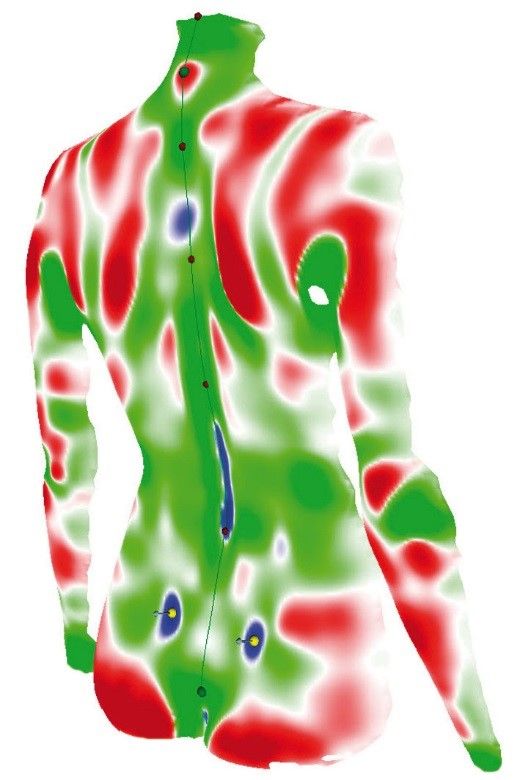
Dynamic spine measurement
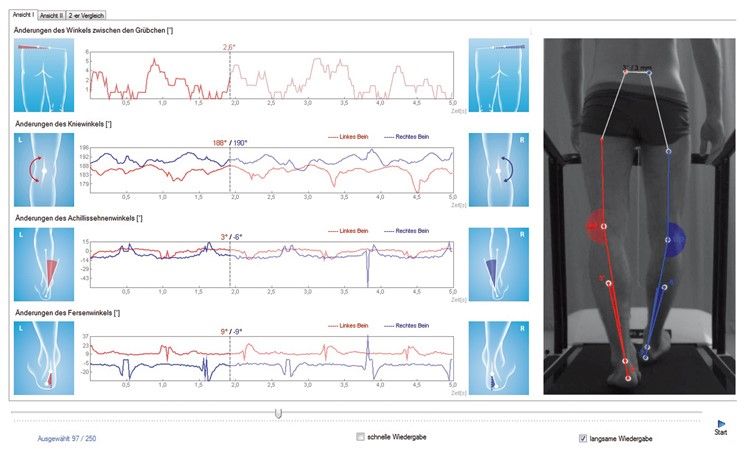
Video gait analysis
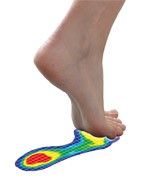
Dynamic foot pressure analysis
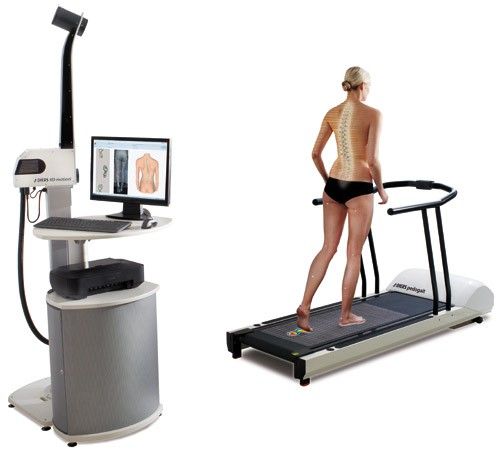
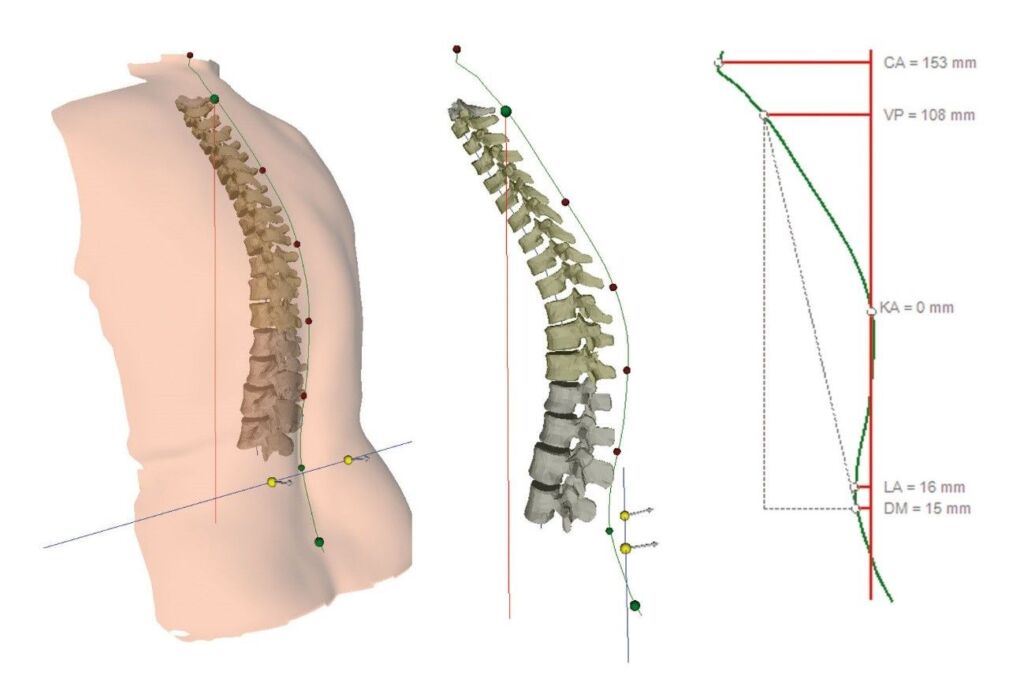
With the 4D motion Lab Trauma movement analysis laboratory, we examine the entire body from the feet, legs and pelvis to the spine in just one measurement process. It works optically and without additional X-ray exposure. An important new component for functional analysis in accident aftercare.
Holistic motion analysis 4D motion lab Trauma
An innovative step towards health and the restoration of movement functions after accidents and post-accident conditions.
Few things are more important to people than being able to move freely and without restriction. We rarely realize that a large number of muscles, joints and nerve pathways have to work together in a coordinated manner when we walk. This complex interaction can lead to a considerable impairment of mobility due to even the smallest malfunction. But the cause does not always lie where the pain is!
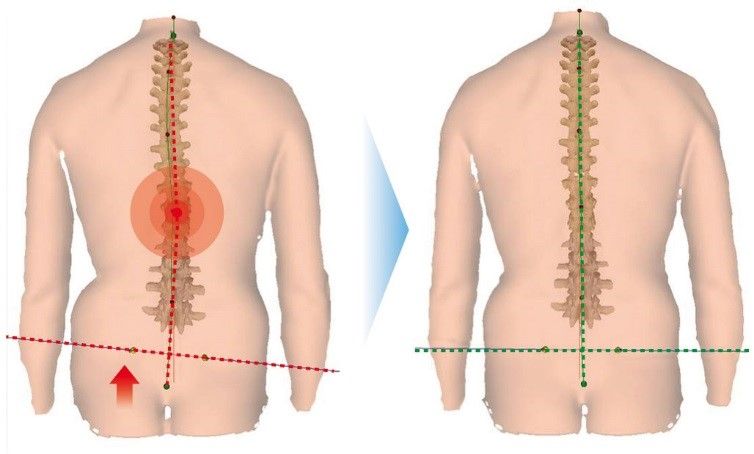
Back pain and knee problems, for example, can be caused by incorrect weight-bearing and misalignment of the feet, because they lead to changes in the overall body statics. So if you want to make reliable diagnoses, a holistic approach to the musculoskeletal system is essential.
Innovative measurement technology can help decisively here:
The 4D motion Lab Trauma for holistic movement analysis looks at the entire body from the feet, legs and pelvis right up to the spine in just one measurement process.
Advantages for treatment in traumatology
As an important new component in the follow-up treatment of the consequences of accidents, holistic movement analysis is increasingly enabling the objective recording of functional treatment results. And that is precisely what matters most to patients. The therapy and training measures introduced after accidents can thus be planned more individually and their success monitored.
The measurement results of the movement analysis are collected by experienced trauma surgeons, discussed together with the patient and the further therapy goals on the way to recovery are then planned together.
Holistic gait analysis and movement analysis
External content
Please accept cookies to display this content from an external website.
How 4D measurement works
The patient stands in front of a recording device consisting of a video camera and a projector. The projector throws parallel measuring lines onto the surface of the back and the video camera transmits the three-dimensional pattern to a computer. The software evaluates the measured data and determines the shape of the entire back, the spine and the position of the pelvis.
Posture corrections can be precisely simulated using a height-adjustable platform (leg length difference, spinal alignment, etc.). During follow-up checks, the change from previous images can be displayed on the computer. Extensive scientific studies have made it possible to record the shape and position of the spine in three dimensions using an optical measurement procedure, i.e. without any radiation exposure, and the measurement results can support the therapy and generally lead to better healing results. The additional integrated treadmill with dynamic foot pressure measurement and video analysis enables gait analysis in the same measurement process.
Information on
Our innovative 4D motion lab Trauma measurement procedure is suitable for the following indications in traumatologic surgery (trauma surgery):
For aftercare following surgical procedures on the entire skeletal system
For pain in the joints (e.g. hips/knees) and back
For foot malpositions or foot-related incorrect posture
For back and spinal problems
For osteoporosis and osteoporosis-related back pain
Early detection of poor posture and functional complaints
For measuring pelvic obliquity and leg length discrepancies
In the event of deviations in the leg axis and/or leg length
For instabilities of the joint function
For initial examinations to supplement the X-ray
To monitor therapeutic measures (conservative/surgical)
For checking orthoses, prostheses and shoe fittings
For movement analysis in competitive and recreational athletes
As a patient, you cannot register directly for a consultation. Please get a referral from your primary care physician, specialist. For questions please use our contact form.