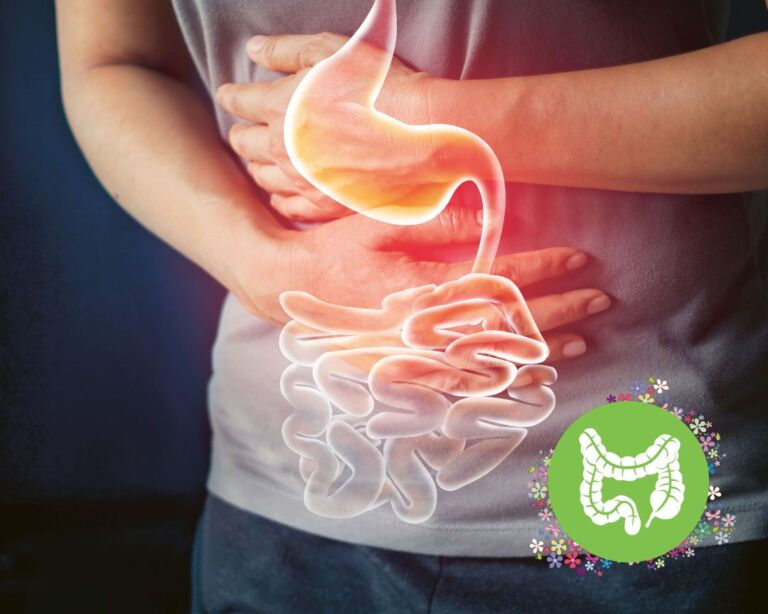
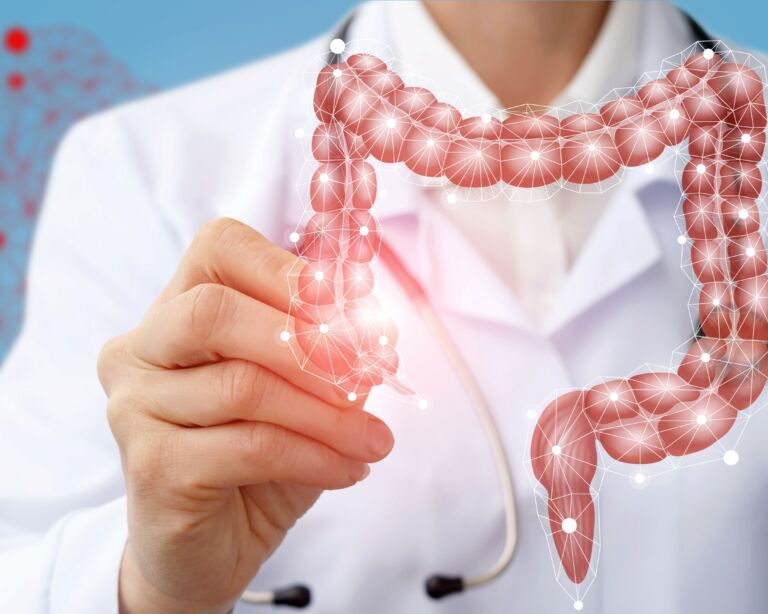
What is irritable bowel syndrome?
Irritable bowel syndrome, also known as irritable bowel syndrome, describes chronic and recurring gastrointestinal complaints such as abdominal pain, flatulence, diarrhea or constipation, without a cause being identified in standard examinations. Those affected can be heavily burdened in everyday life. Irritable bowel syndrome is also known under the terms “irritable colon” or “irritable bowel syndrome”. In English it is referred to as “Irritable Bowel Syndrome” (IBS); in Switzerland this abbreviation is predominantly used, in Germany and Austria it is more commonly referred to as RDS.
Is irritable bowel syndrome dangerous?
Even if the symptoms can be very unpleasant: Irritable bowel syndrome is not dangerous. It causes no permanent damage and does not increase the risk of bowel cancer or other serious illnesses. Nevertheless, you should always seek medical advice to rule out other causes.
What types of irritable bowel syndrome are there?
Depending on the predominant symptoms, experts initially differentiate on the basis of stool consistency:
- Irritable bowel syndrome with diarrhea (IBS-D)
- Irritable bowel syndrome with constipation (IBS-C)
- Mixed form (IBS-M)
However, symptoms such as abdominal distension, flatulence, abdominal discomfort or pain, which can occur individually or in combination, are usually more decisive.
Causes and risk factors for irritable bowel syndrome
The causes of IBS are complex. There is no single trigger. Instead, it is now assumed that several factors interact.
Causes of irritable bowel syndrome: Why does the intestine react hypersensitively?
- Altered pain sensation: The intestine reacts hypersensitively to normal stretching stimuli.
- Disorders of the gut-brain axis: Disrupted communication between the gut and brain can trigger symptoms.
- Disturbed bowel movements: The intestinal muscles contract either too strongly or too weakly.
- Altered intestinal flora (microbiome): An imbalance in the composition of the intestinal bacteria could also play a role.
- Stress and psychological factors: Anxiety, stress or depression can exacerbate symptoms.
Clinical studies on functional diagnostics
Find out more about clinical studies on functional diagnostics.
Is irritable bowel syndrome psychological?
For a long time, irritable bowel syndrome (IBS) was considered to be primarily psychosomatic. This view is now outdated. Current scientific findings show that IBS is caused by the interaction of several physical factors. Mental stress can exacerbate the symptoms, but is not the sole cause.
Gastrointestinal infection common cause of irritable bowel syndrome
One of the most important organic causes is a previous gastrointestinal infection. Studies show: Anyone who has had such an infection has up to twelve times the risk of developing irritable bowel syndrome later on. Around a third of these people develop IBS as a result.
Irritable bowel syndrome due to food intolerances
Many sufferers are particularly sensitive to certain foods – often fermentable sugars such as FODMAPs, products containing wheat or high-fat foods. As a rule, these are not allergic reactions, but a functional hypersensitivity in which the intestine reacts to certain ingredients with flatulence, pain or diarrhea.
Hormonal fluctuations influence irritable bowel syndrome
Hormonal fluctuations are another influencing factor. Many women report a worsening of symptoms around menstruation. Estrogen and progesterone levels have a direct effect on intestinal activity and pain sensation. This could explain why women are significantly more frequently affected than men.
Irritable bowel syndrome and stress: when emotions affect the bowel
Psychological factors such as stress, anxiety or emotional strain can significantly increase the symptoms of irritable bowel syndrome. The gut is closely connected to the brain via the so-called gut-brain axis. Emotional stimuli have a direct effect on digestion and influence intestinal movement, the sensitivity of the nerves in the intestine and the composition of the intestinal flora. Many sufferers find that their symptoms worsen during periods of stress. Stress is therefore not a trigger in the classic sense, but a significant amplifier of the symptoms.
Antibiotics can promote irritable bowel syndrome
The intake of antibiotics plays a central role. These drugs can disturb the delicate balance of the intestinal flora, as they combat both harmful and beneficial bacteria. The resulting changes in the microbial colonization of the intestinal mucosa can weaken the intestinal barrier and increase sensitivity to irritants.
Irritable bowel syndrome: multiple causes increase sensitivity
In summary, there is no single trigger that leads to irritable bowel syndrome. Rather, it is a multifactorial disease in which various organic triggers interact. These increase the intestine’s sensitivity to stimuli, so that even normal digestive processes are perceived as painful or unpleasant.
Symptoms of irritable bowel syndrome: How does irritable bowel syndrome manifest itself?
The symptoms of irritable bowel syndrome can vary greatly and are usually chronic or recurring. Perhaps you recognize yourself in some of these points:
- Abdominal pain or cramps, often after eating or before a bowel movement,
- Flatulence and abdominal distension
- Diarrhea, constipation or an alternation of both conditions,
- Feeling that the bowel does not empty completely after a bowel movement.
Many sufferers also complain of so-called extraintestinal symptoms such as back pain, headaches and aching limbs, sleep disorders, feelings of anxiety and nervousness.
Irritable bowel syndrome: when should I see a doctor?
Irritable bowel syndrome is unpleasant. As the diagnosis can only be made with certainty after various other diseases have been ruled out, certain warning signs should always be clarified by a doctor, as they may indicate diseases such as chronic inflammatory bowel disease or tumors. Look out for the following symptoms:
- Blood in the stool: This may indicate inflammation or polyps.
- Unintentional weight loss >3kg: A possible sign of impaired nutrient absorption or serious underlying disease.
- Nocturnal complaints: Abdominal pain or diarrhea that wakes you up are atypical for irritable bowel syndrome, but do not rule it out.
- Fever or persistent fatigue: May indicate systemic inflammation or infection.
If one or more of these signs occur, it is advisable to have a medical check-up in order to identify the cause at an early stage and treat it in a targeted manner.
Irritable bowel syndrome: diagnosis and examinations
If you suffer from digestive problems for a long time, you should seek medical help. However, diseases such as chronic inflammatory bowel diseases (e.g. inflammatory bowel disease) must be treated first. B. Crohn’s disease or ulcerative colitis), food intolerances or infections should be excluded.
What is part of irritable bowel syndrome diagnostics?
Your doctor will begin with a detailed medical history: Your complaints, lifestyle habits, diet and possible psychological stress will be asked in detail. Depending on the case, the following examinations can then be carried out:
- physical examination,
- Stool tests, e.g. for inflammation markers, parasites or changes in the intestinal flora,
- Blood tests, e.g. for inflammation or coeliac disease,
- Breath tests, especially food load tests, e.g. for the diagnosis of FODMAP intolerance
- Colonoscopy to rule out serious illnesses – especially if there are warning signs such as blood in the stool or weight loss.
- Gastroscopy, not necessary in all cases, but 50% of IBS patients also have upper abdominal complaints that need to be clarified
- Ultrasound, or other imaging. Often necessary to rule out other diseases
When is irritable bowel syndrome diagnosed?
The diagnosis of irritable bowel syndrome is confirmed if the following criteria are met:
- The complaints have been present for at least three months.
- There are no indications of other causes.
- The symptoms lead to a significant impairment in everyday life and quality of life.
Irritable bowel syndrome: prevention, early detection, prognosis for irritable bowel syndrome
Targeted prevention of irritable bowel syndrome is difficult, as there are many different causes. Nevertheless, there are factors that you can influence yourself. This includes a balanced diet, sufficient exercise and a conscious approach to stress.
After gastrointestinal infections or antibiotic therapies, it makes sense to specifically support the intestinal flora, for example through an adapted diet. The sooner you take your symptoms seriously and have them checked out by a doctor, the sooner they can be prevented from becoming chronic.
The good news is that although irritable bowel syndrome can sometimes be very stressful, the prognosis is usually favorable, as it does not lead to permanent damage to the bowel and does not increase the risk of bowel cancer.
Irritable bowel syndrome treatment: What helps against irritable bowel syndrome?
There is no one therapy for irritable bowel syndrome – the treatment depends on the individual symptoms. The important thing is that you are not alone. There are many ways to significantly improve your quality of life.
Medication for irritable bowel syndrome: symptom-oriented help
Depending on which symptom is in the foreground, different medications can be used in a targeted manner:
- For abdominal pain, flatulence and cramps: antispasmodics, especially herbal, such as Iberogast and Carmenthin, modern and classic antispasmodics such as Drotaverin, Butylscopolamine
- For diarrhea: e.g. soluble fiber, bile salt binders, serotonin receptor antagonists
- For constipation: soluble fiber such as psyllium or mild laxatives
Talk to your doctor about which products are suitable for your situation.
Home remedies and natural support for irritable bowel syndrome
Many sufferers also benefit from tried and tested household remedies. These can gently alleviate the symptoms:
- Hot water bottle or warm baths for cramps
- Peppermint or fennel tea to relax the intestinal muscles
- Gentle abdominal massages for flatulence
- Exercise: walks or light training stimulate digestion
Diet for irritable bowel syndrome: what you should eat (and avoid)
The right diet plays a central role in irritable bowel syndrome. Many patients report a noticeable improvement from a low FODMAP diet, i.e. avoiding certain types of sugar that are difficult to digest, such as lactose, fructose or sorbitol.
The best tips for eating with irritable bowel syndrome:
- Consciously take time to eat.
- Chew your food thoroughly, because digestion begins in the mouth
- Many older people in particular are less able to digest food because they lack the energy to do so. Only eat as much as you can digest. If you feel limp and tired after eating, you have eaten too much. If you feel full of vigor and energy after a meal, you have done everything right.
- If you have flatulence and cramps, you should avoid raw vegetables and dairy products from midday onwards.
- Support your intestinal flora by not “feeding” the intestinal bacteria with easily digestible carbohydrates such as sweets, bread or pasta made from white flour. Spelt products are better.
- Only eat easily digestible food in the evening, for example steamed vegetables with a little rice, meat or fish.
- Also pay attention to the medication you are taking. Many products can cause gastrointestinal problems.
Wondering why your bowels are irritated? Then professional nutritional advice may be necessary. the right thing for you. Pay attention to a healthy rhythm, because too many stress hormones in the blood only make your intestines nervous.
If necessary, seek advice from a specialist nutritionist.
Functional diagnostics incl. IBS consultation hour
Patients with reflux complaints, swallowing disorders, irritable bowel syndrome and faecal incontinence problems, among others, are treated in the consultation hours for functional gastrointestinal disorders.