The time of diagnosis, location of the tumor and stage of the disease influence the treatment of colorectal cancer. Surgery is almost always performed, and molecular pathology provides starting points for personalized drugs.
Text: Helga Kessler
“If we discover the tumor at an early stage, we can almost always cure bowel cancer,” says visceral surgeon Matthias Turina. Cure means that the cancer will not return. In general, the chances of surviving bowel cancer are good. However, surgery is almost always necessary. If possible, the USZ surgeons remove the tumor and affected lymph nodes using minimally invasive techniques instead of open surgery. Procedures in the lower pelvis, where the rectum, bladder and sexual organs lie close together, are particularly technically challenging. Then “millimeters decide the success of the operation,” says Matthias Turina.
The robot operates more precisely
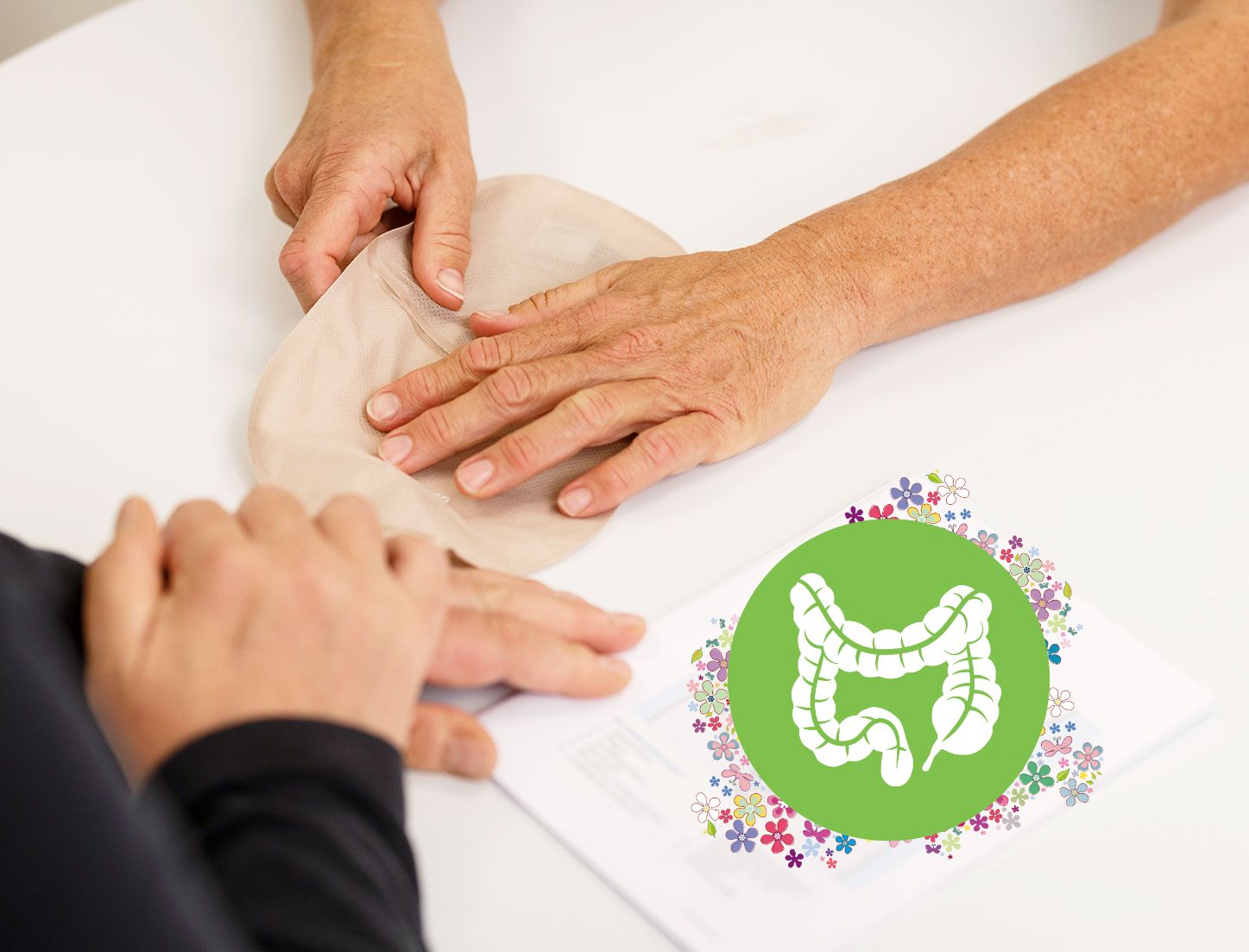
For cancer in the rectum – the most common site of bowel tumors – the specialist therefore likes to use the Da Vinci surgical robot: “The robot can see more and it can also get there better than we can with our hands.” For both rectal and colon cancer, surgeons often place an artificial bowel outlet, a stoma, so that the wound is not contaminated with stool and heals more quickly. After a few weeks, the stoma can be removed again, with the exception of a few cases where the tumor was very close to the anus. “We try to keep the stoma rate as low as possible,” says Matthias Turina. He knows that most patients with bowel cancer are afraid of having an artificial bowel outlet.