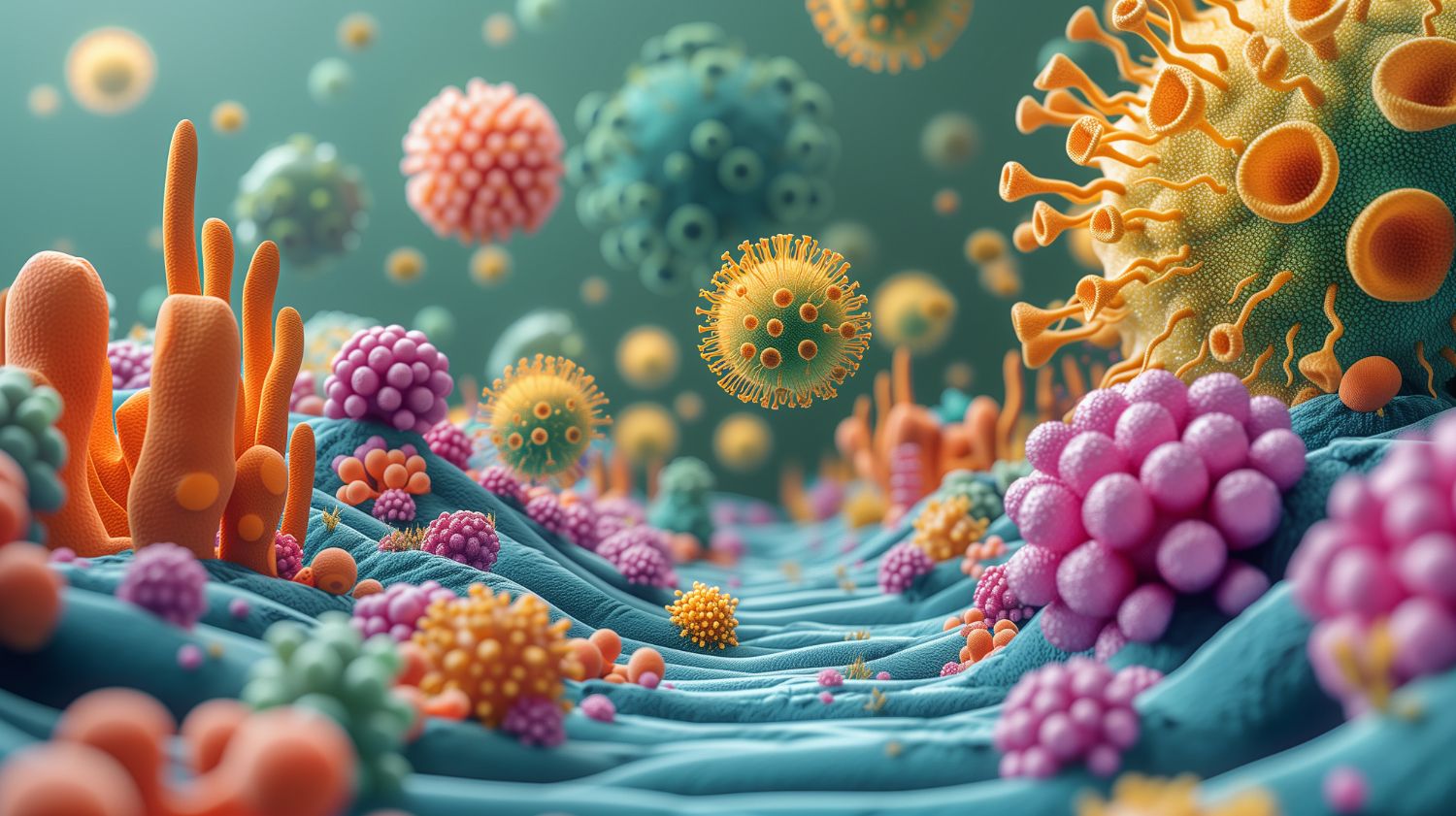
The microbiome refers to all microorganisms such as bacteria, viruses, and fungi that live in and on our bodies - especially in the intestines, on the skin, and in the mouth. These tiny helpers form an individual ecosystem that has a significant impact on our health.
More and more people are interested in the microbiome because of its connection to ailments ranging from digestive problems to immune deficiency. However, scientists advise caution: preventive diagnostics rarely offer clear benefits at present. Instead, proven measures in everyday life are what count.
The microbiome is unique to each individual and changes daily due to diet, medication, stress, personal care products, or environmental influences — just as no two homes are furnished in exactly the same way. The gut microbiome in particular is home to around 100 trillion bacteria and billions of fungi and viruses across an area of over 200 square meters. The microbiome uses the nutrients in our food to build hormones such as serotonin, break down proteins and fats into building blocks such as amino acids and short-chain fatty acids, and convert indigestible plant fibers into an acidic environment that keeps harmful bacteria at bay. This metabolic activity helps to control almost all of the body’s systems – from the cardiovascular system to the immune system and the nervous system. A well-functioning microbiome thus protects against many diseases. Disruptions increase the risk of inflammation, allergies, diabetes, obesity, heart disease, and even mental health problems such as depression. A varied diet with complex carbohydrates, such as whole grains, legumes, nuts, vegetables, or seeds, healthy fats, and high-quality protein optimally nourishes this system.
What disturbs the microbiome
A one-sided diet low in fiber, antibiotics, lack of exercise, and chronic stress lead to dysbiosis — an imbalance of microorganisms. Stress directly affects the gut via the vagus nerve, the longest nerve in the body, which extends from the brain to the abdomen, controls heartbeat, breathing, and digestion, and connects the brain and gut. It regulates bowel movements, metabolic rate, and microbial composition. Disruptions cause flatulence, diarrhea, or constipation and damage the balance in the long term. The robust system usually regenerates itself, and simple tests or probiotics are often insufficient if lifestyle and diet are not adjusted accordingly.
What to do in case of complaints
If you suffer from flatulence, diarrhea, constipation, or alternating symptoms, make an appointment with a gastroenterologist — especially if you experience nighttime diarrhea or blood in your stool. Keep a diary of your symptoms and meals to identify any intolerances, such as lactose or fructose, pancreatic enzyme deficiency, or inflammation. Simple therapy often leads to improvement; a colonoscopy rules out autoimmune diseases and serves as cancer screening for people over 50. Gastroenterologists consider preventive microbiome diagnostics to be error-prone, uncertain in interpretation, and without clear therapy recommendations.
A colorful, plant-based diet with plenty of fiber, high-quality protein, and healthy fats provides optimal support for the microbiome. Sugar, white flour, and highly processed foods should be kept to a minimum, as cutting down on sweets, white bread, and alcohol can make a significant difference. Regular exercise promotes bowel activity, while stress reduction and restful sleep are important for the regeneration of the microbiome and digestion. Just 4 to 6 weeks of these changes often lead to a noticeable improvement in symptoms.
To the consultation