Multiple pregnancies pose particular challenges, from malformations to premature births with the risk of cerebral hemorrhage. It is essential that pregnant women are cared for in an appropriate competence center.
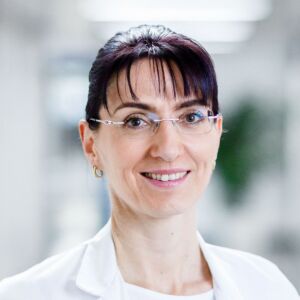
Feto-fetal transfusion syndrome is a significant complication of multiple births. This can lead to life-threatening situations, as both children depend on the same care. “It is crucial to consider not only the number of children, but also whether each child has its own supply. If they share a placenta, this is associated with higher risks,” says Nicole Ochsenbein, Director of the Department of Obstetrics at the USZ. Early diagnosis and appropriate care for pregnant women are therefore crucial for the outcome of these children.
Second opinion and interdisciplinary collaboration
Feto-fetal transfusion syndrome occurs in 10 to 15 percent of cases. One child gives the other child too much blood in the net flow, which can put such a strain on the heart that it can lead to water retention, for example. In the worst case scenario, the child dies and since both children are dependent on the same care, the other child may also die. Or a child survives severely disabled because the brain has received too little oxygen. This is the case for 20 to 30 percent. “In these ethically highly complex cases, it makes sense to look after the patient together. Referring physicians often send their patients to us for a second opinion,” says Nicole Ochsenbein.
In cases of multiple pregnancies, pregnant women should be cared for in centers that have the necessary expertise. For certain diagnoses, the recommendation is clear in this regard, including in the case of pregnancies with triplets or higher-order multiples. A second opinion can be helpful in making the best possible decisions. Interdisciplinary teams, such as those at the USZ from all relevant fields such as obstetrics, neonatology and other specialists, are crucial to ensure the right care.
Competence center with highly specialized medicine
If there is a complication, such as the aforementioned feto-fetal transfusion syndrome, the specialists at the USZ can take action and offer appropriate treatment. “Laser treatment is available for this complication, in which the vascular connections in the shared placenta are selectively obliterated. This therapy requires precision and specialist knowledge,” confirms Nicole Ochsenbein.
Thanks to the fetal-maternal boards at the USZ, obstetrics and neonatology specialists regularly exchange information with specialists from the children’s hospital. “This also gives us important feedback on the outcome of the children. This extensive know-how is invaluable when advising parents and creates trust among patients,” says Nicole Ochsenbein.