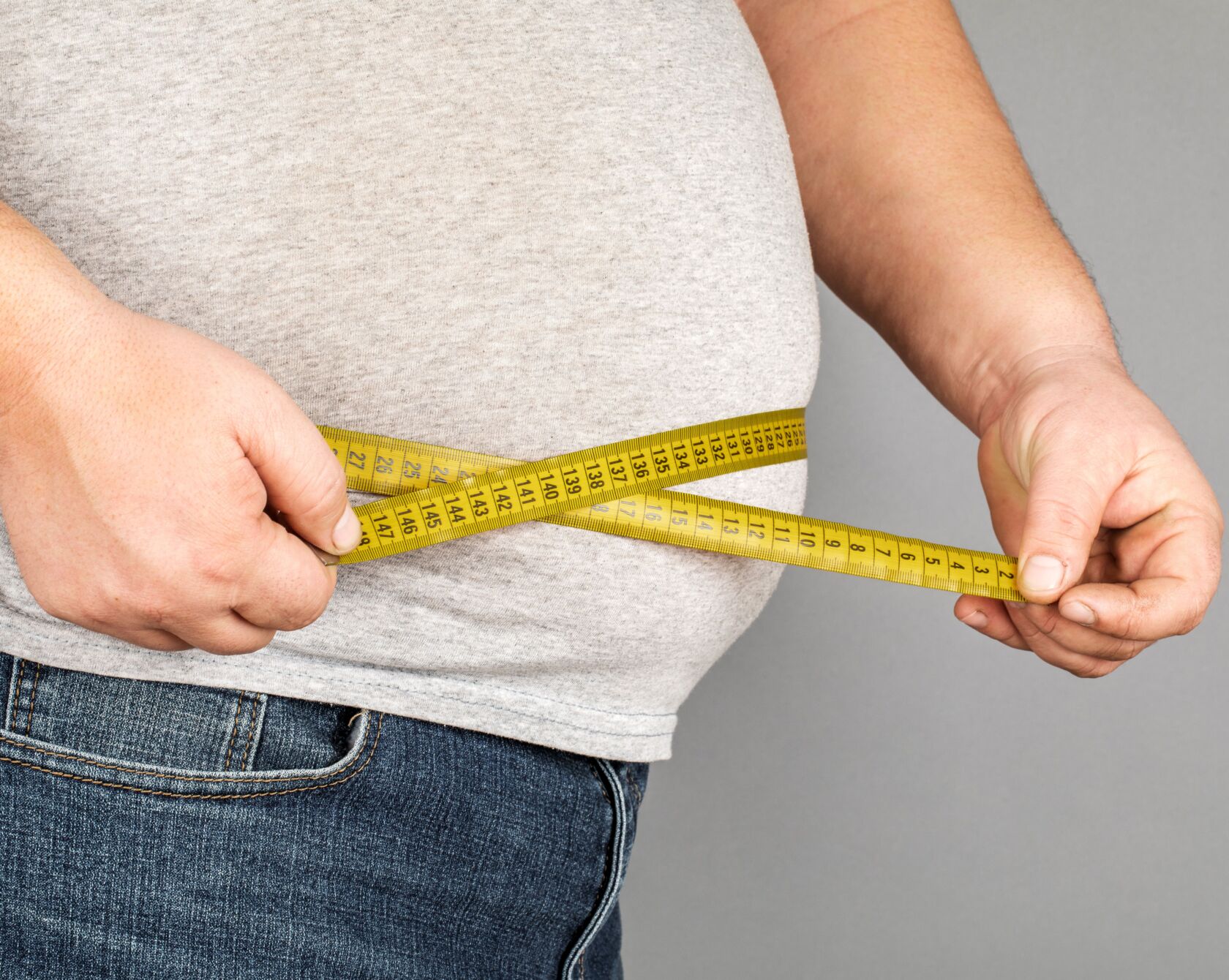
Adipöse Person misst Bauchumfang mit Messband

Story

Obesity – a weighty topic

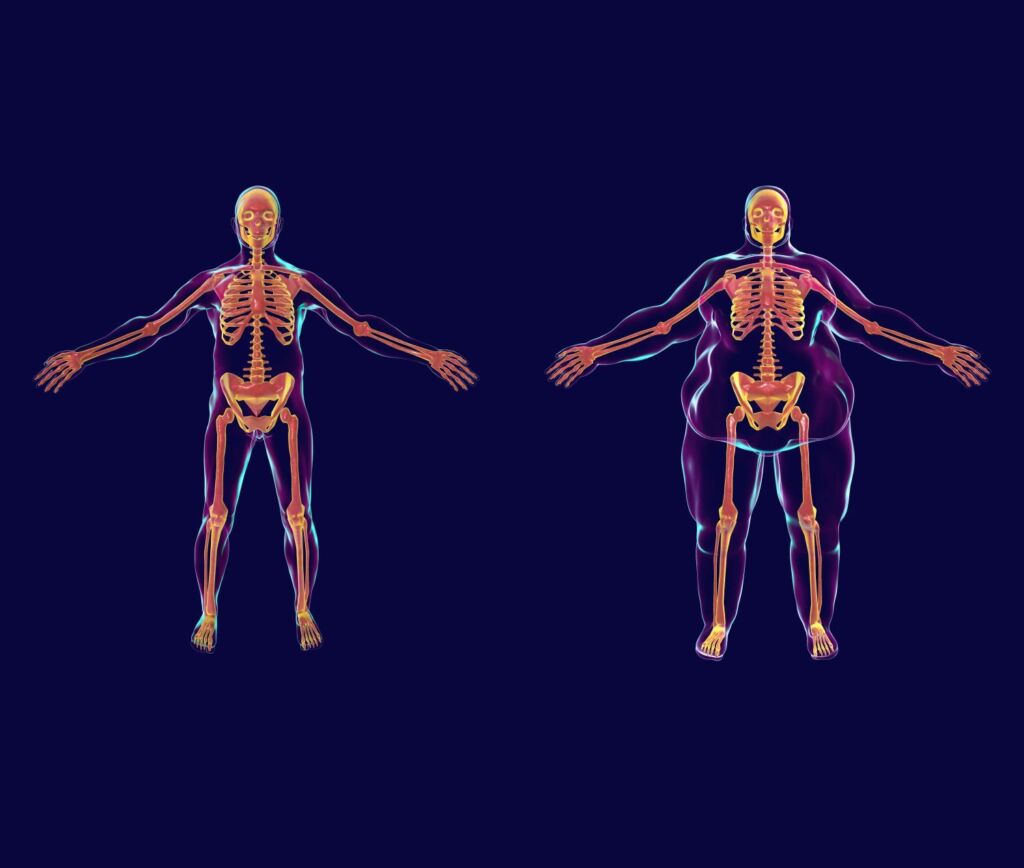
In some regions of the world, people are getting fatter and fatter. There are many reasons for this. Obesity often not only causes a great deal of suffering for those affected, but also results in high costs for society as a whole.

Jon Brower Minnoch was the heaviest person ever recorded. According to records, the American, who was born in 1941, weighed an incredible 635 kilograms in 1978. A combination of genetic predisposition, poor eating habits and a metabolic disorder are said to have contributed to this extreme weight. Despite medical help and weight reduction, he died of heart failure at the age of 41. Fortunately, fates like Jon Minnoch’s are very rare. However, they raise awareness of the risks associated with being overweight.

Global increase

WHO data shows that the number of overweight people is increasing worldwide. In Europe, for example, half of all adults are too fat. The reasons for this are multifactorial: genetic, social, cultural, economic and individual factors all play a role. When quality of life is impaired and there is a risk of serious illness, overweight and obesity become a disease.

Obesity: a widespread disease in Switzerland too

Obesity has also become a widespread disease in Switzerland. The number of obese people has doubled in the last thirty years. The latest figures from the Federal Statistical Office show that 43% of the adult Swiss population is overweight, 12% of whom are obese. There are significantly more men who struggle with obesity – and the older people are, the more difficulty they have in maintaining an ideal weight.

BMI: Assess overweight

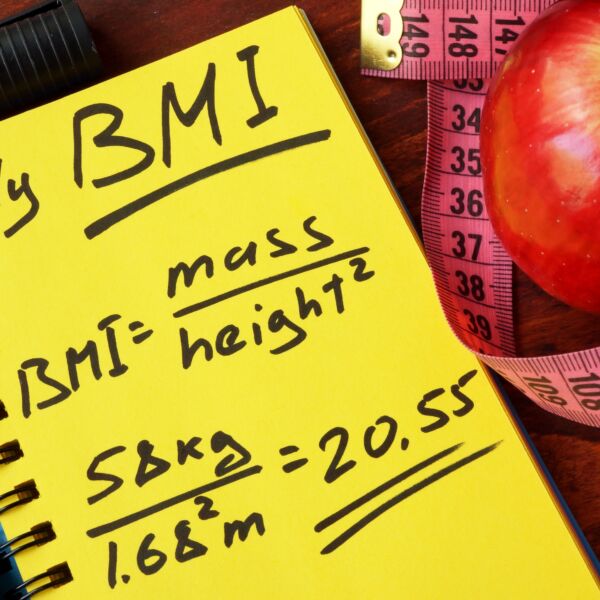
The BMI (Body Mass Index) is a measurement used to assess the relationship between a person’s weight and height. A BMI between 18.5 and 24.9 is considered normal weight, a BMI between 25 and 29.9 is considered overweight, and people with a higher value are considered obese. However, the BMI does not take into account the distribution of fat and muscle mass. However, body composition plays a significant role, as fat can pose more health risks in certain areas of the body. Depending on their genetic constitution, medical consequences can occur for some at a BMI of 26 and for others only when they have reached a BMI of 35.

Obesity occurs when we consume more energy in the form of calories than we use. The body stores the excess energy as fat in so-called fat cells. Known causes of obesity are unfavorable eating habits and lack of exercise. But there are other risk factors that can lead to obesity. A common reason is disordered eating behavior: too much, too fast or not balanced enough. Irregular working hours or hereditary influences, psychological factors, certain medications and metabolic disorders can also be drivers.

BRI: An alternative to the BMI

The BMI only takes weight and height into account and neglects important factors such as fat distribution and muscle mass. This can lead to misjudgements, for example in the case of well-trained people with a high proportion of heavy muscle mass, who receive the same result as people with little muscle but a high body fat percentage. The Body Roundness Index (BRI), on the other hand, integrates the waist circumference into the calculation and provides a more precise assessment of body shape. Visceral fat in particular, which accumulates in the abdominal area and is associated with increased health risks such as cardiovascular disease or diabetes , is better detected with the BRI. As a result, the BRI offers a differentiated and more meaningful analysis.

Calculate your BRI now

Obesity and healthcare costs

The health consequences of overweight and obesity not only pose individual problems for those affected, but also entail a considerable financial burden for society as a whole. Obesity is one of the risk factors for non-communicable diseases such as cardiovascular disease, type 2 diabetes and fatty liver disease. Data collected in Switzerland in 2012 put the resulting direct and indirect costs at around eight billion Swiss francs.

Socio-economic factors

Disadvantaged sections of the population are more likely to be overweight. People with lower incomes may be less able to afford healthy food. As a result, they tend to choose energy-rich, nutrient-poor foods that are cheaper. This can increase the risk of obesity. Conversely, people who are used to living in abundance have sometimes forgotten how to listen to their natural needs. Enjoyable, healthy eating is not least a question of moderation.

In addition to socio-economic factors, working conditions, awareness of health-related behavior or access to effective health care are other possible influencing factors for frequent obesity in the population. This makes preventative measures and a holistic approach to tackling these problems all the more important.