Story

When the heart storms, stumbles or stands still

Many people know the feeling: suddenly the heart skips a beat. Or it beats rapidly for seemingly no reason. Both can be unpleasant and scary. Not always without reason. But the good news is that most arrhythmias are easily treatable.

Our heart beats around 100,000 times a day. Rhythmic contractions force the blood from the atria into the ventricles. From the right ventricle it reaches the lungs, where it is enriched with oxygen and returned to the heart via the left atrium. The left main ventricle then pumps the blood via the main arteries into the body, to organs and muscles, to supply them with oxygen.

The movements of the two atria and ventricles are precisely coordinated and are controlled by electrical impulses from the so-called sinus node. If the electrical conduction is disturbed, the heart is out of rhythm and with it the coordinated blood flow. And that can be dangerous.

Two types of cardiac arrhythmia

In the case of heart complaints, the first thing to do is always to clarify whether the cause lies in an underlying disease. This can be a heart attack, but also problems with the heart valves or a congenital heart defect. In these cases, the underlying disease is treated first. In the best case scenario, this will also correct the cardiac arrhythmia. If, on the other hand, there is no underlying disease, it is primarily an electrical problem. This is the case for around half of all patients who come in for a check-up due to palpitations or heart palpitations.

A map of the heart currents

But how do you find out where the disorder originates? “We are now able to create an actual ‘electrical map’ of the heart,” explains Firat Duru. “To do this, we use a catheter to provoke the heart muscle and simultaneously measure how the electrical currents spread via two other catheters.” The site causing the disruption is then locally sclerosed using radio frequency energy. As a rule, patients can go home again on the same day.
In some people, however, the problem does not lie at a single point, but in the heart muscle itself. The dangerous muscle disease is difficult to detect. “Unfortunately, sudden cardiac death is often the first sign of this disease,” says Firat Duru. It’s an image that many people have been familiar with since the European Football Championships in summer 2021: a footballer who suddenly collapses and can only be saved thanks to immediate resuscitation.

Still too often recognized too late

This insidious disease has a complicated name: Arrhythmogenic right ventricular cardiomyopathy (ARVC). Very little is known about it to this day. In many cases, the disease is inherited, and it is often favored by great physical exertion, as occurs in top-class sport. “In professional football, health checks with stress tests are now routine in many places,” says Firat Duru. If there is the slightest suspicion of irregularities, the athletes are sent to a medical center for in-depth clarification.

“However, the diagnosis is still difficult to make, so the disease is often not recognized and underestimated,” adds Corinna Brunckhorst. Exactly ten years ago, together with Firat Duru, she founded a focus center for ARVC at the University Heart Centre and built up a specialized team. Together, they are researching this complex and underestimated disease in search of specific biomarkers, influencing factors of sport and hormones as well as clear diagnostic criteria. “We often indicate the need for an implantable defibrillator for those affected.” In the event of an acute, life-threatening cardiac arrhythmia, the defibrillator delivers an electric shock that restores normal heart activity. “This is life insurance for the patients, many of whom are still young.”

However, both cardiologists emphasize that ARVC is relatively rare and general screening is not indicated for amateur athletes. However, it is crucial to take care of your heart health and maintain a healthy lifestyle. “The heart is the only organ that we can feel so directly,” says Corinna Brunckhorst with a smile, “so we should pay all the more attention to it.”

Zurich ARVC Program

The University Hospital Zurich is a world leader in ARVC research. The program, headed by Firat Duru and Corinna Brunckhorst, was established back in 2011 with the aim of improving understanding of the disease and thus also its diagnosis and treatment. Since 2018, the USZ has been working closely with Johns Hopkins University in the USA to jointly develop a risk model for ARVC. The project is supported by the USZ Foundation and the Swiss National Science Foundation (SNSF), among others.

Responsible professionals

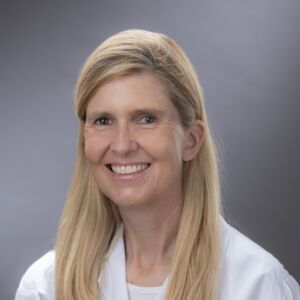
Corinna Isabel Beatrice Brunckhorst, Prof. Dr. med.

Senior Physician, Department of Cardiology

Tel. +41 44 255 20 99
Specialties: Electrophysiology, Catheter ablation, Device Therapy

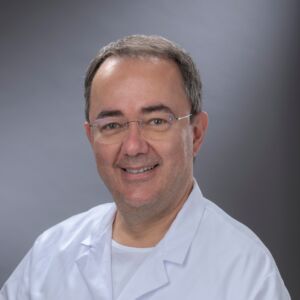
Firat Duru, Prof. Dr. med.

Senior Physician, Department of Cardiology

Tel. +41 44 255 20 99
Specialties: Interventional electrophysiology, Catheter ablation, Device Therapy

Responsible Department