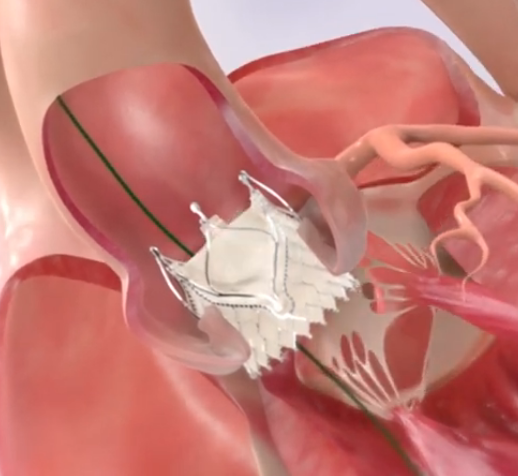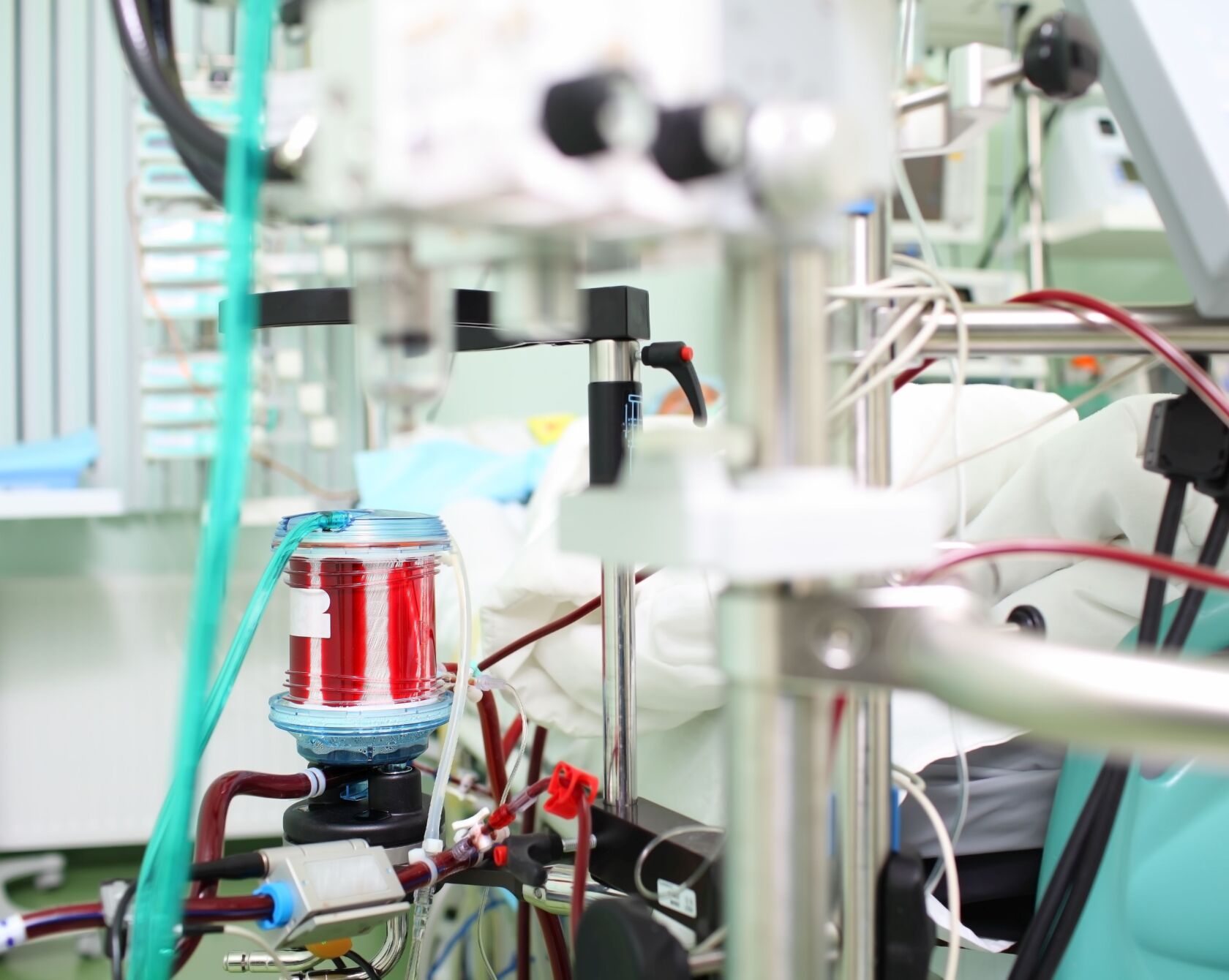
Over 40,000 children were born with a heart defect in Europe last year. In severe cases, patients require open heart surgery, which is only possible if an artificial cardiac arrest is induced. This interrupts the blood circulation. A heart-lung machine (HLM) then ensures blood circulation during the operation, with a pump taking over the function of the heart and an oxygenator that of the lungs.
Author: Jasper Hüchting, Flow Process Engineer ETH
In Switzerland alone, such an operation affects around 200 newborns every year, and the use of a heart-lung machine in this age group repeatedly leads to irreversible neurological complications that can affect the patient’s life in the long term.
A magnetic resonance imaging (MRI) scan of the brain during operation of the heart-lung machine could be used to monitor and possibly prevent possible brain damage in the future. However, due to the strong magnetic fields, an MRI machine is incompatible with many other medical devices, including the conventional heart-lung machine. To change this, the Product Development Group Zurich (pd|z) of ETH Zurich is working together with the University Hospital Zurich. As part of the “byPulse” focus project, we, eight Bachelor students from the “Mechanical Engineering” and “Information Technology and Electrical Engineering” degree programs at ETH, have developed the world’s first heart-lung machine that is compatible with the MRI scanner.
To achieve this, we were supported by various departments of the USZ. In the beginning, we were in close contact with the cardiac surgery department under the direction of Omer Dzemali and the cardiotechnicians who operate the heart and the heart-lung machine during the operation. With the support of Martin Schmiady, we had the opportunity to observe several operations and learn a lot about the use of heart-lung machines. In addition, Tobias Aigner, Head of Cardiotechnology, explained to us how modern (non-MRI-compatible) heart-lung machines work. Throughout the entire project, we were also in regular contact with the cardio technology industry, either to clarify questions or to receive feedback from professional users on our system.
get.
An important part of the project consisted of testing and validating the various prototypes and the final product. We received considerable technical support from the Institute of Biomedical Engineering under the direction of Roger Lüchinger, particularly for testing the compatibility of our models with the MRI scanner. During this phase, we learned a lot about the possibilities of ensuring the compatibility of the HLM with the MRI scanner. We were allowed to test the results of this work several times with a commercial MRI scanner at the USZ to ensure that our system was not disturbed by the magnetic fields and that the imaging of the MRI device was not impaired.
As a result, a successful collaboration between the USZ and ETH has led to the development of a fully functional heart-lung machine that is compatible with the MRI scanner. We hope to have made a contribution to giving the youngest patients a carefree start in life. Before the “byPulse” heart-lung machine can be used in hospital, it has to be certified with many more tests. These will again be carried out with the help of the USZ.