New building USZ Campus MITTE1|2

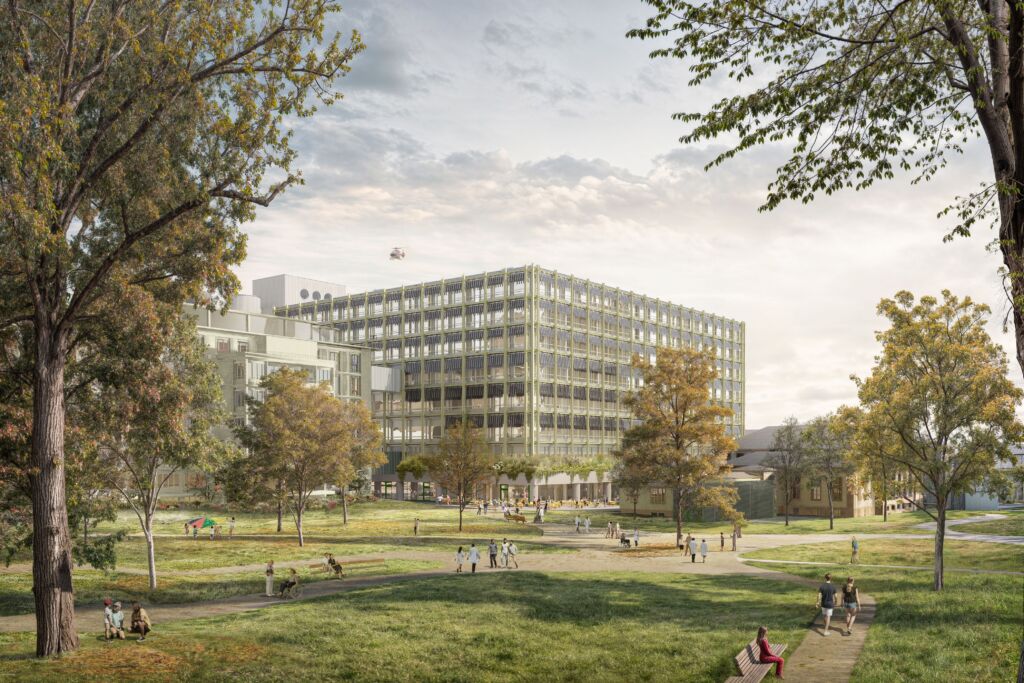
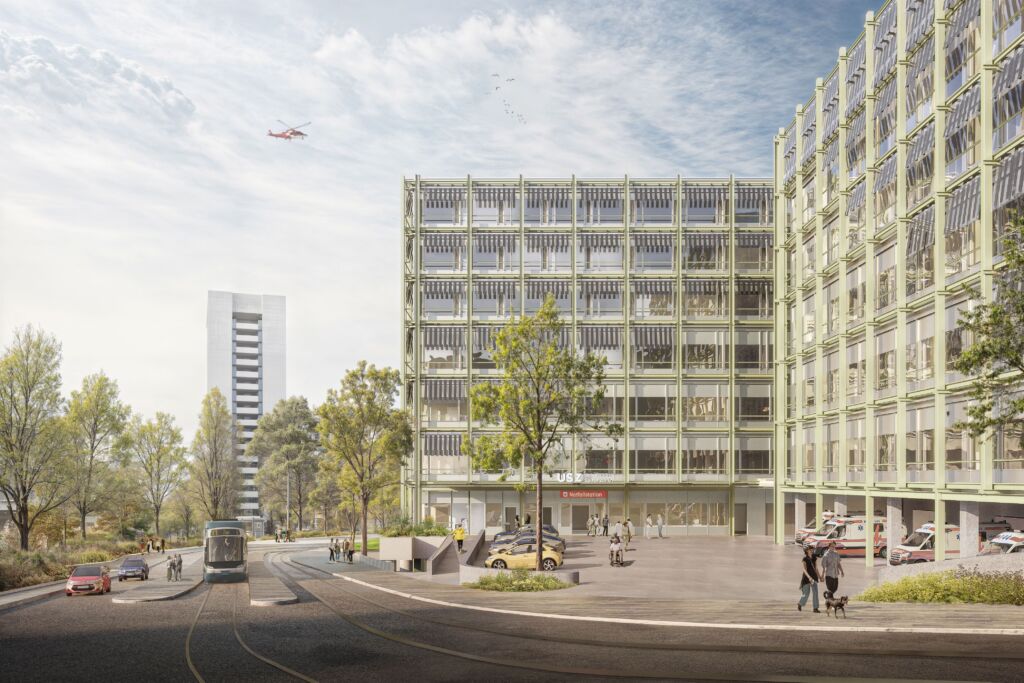
The planned new buildings MITTE1|2 mark the first step in the overall structural renewal of the USZ. The new buildings are of central importance in order to be able to meet the requirements of modern medicine in the future. Among other things, the buildings will house a new emergency center, over 300 beds, 23 operating rooms, and an intervention center for stroke and heart patients.
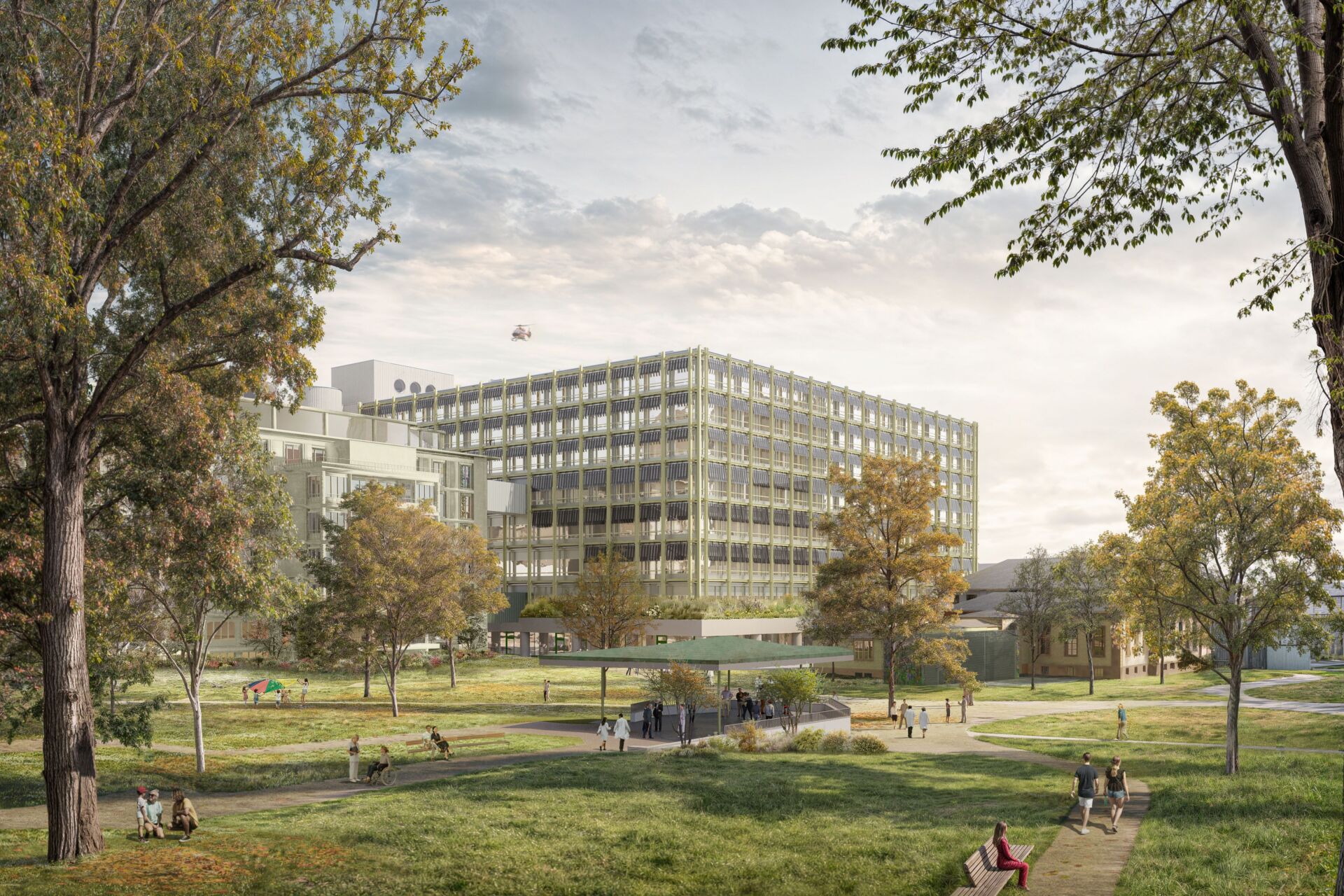
In addition to the construction of the MITTE1|2 buildings, which are scheduled to commence operations in 2031, further new buildings and extensive renovations are planned on the core site of the University Hospital Zurich over the coming decades. Some of the existing buildings are over 70 years old and no longer meet the requirements of modern cutting-edge medicine. Medicine has changed fundamentally in recent decades and now places different demands on premises and operating procedures. The complete refurbishment of the listed WEST wing is also planned from 2028.
With the construction of the hospital of the future, we are creating the conditions to ensure that future generations will also be able to work at the USZ under the best possible conditions and provide patients with state-of-the-art, cutting-edge medical care. As a pioneer for health and quality of life, the USZ consistently aligns its buildings to the needs of the people.

The Project

The new MITTE1|2 buildings will house a large part of the USZ’s cutting-edge university medicine. There will also be space for several normal care and intensive care wards, the radiology department, the emergency ward and part of the laboratory research department.

Physical proximity is extremely important

In the event of a stroke or heart attack, every minute counts – a fact that was taken into account when planning the new buildings. The new emergency center will therefore be located in the immediate vicinity of the intervention center, so that the time from emergency admission to life-saving intervention can be minimized.

In general, attention was paid to new and modern processes when planning the new MITTE1|2 buildings. A key element is the platform concept: similar functions and processes are bundled in terms of space and organization. This achieves a standardization that enables flexible design and efficient use of infrastructure for the provision of interdisciplinary medical excellence – all with the aim of enabling the best possible recovery for patients.

Single room for the best possible patient care

In total, wards for normal care with more than 200 beds are being built. Each of these beds is in a single room with large windows and its own bathroom. Peace and quiet, pleasant colors and materials in the rooms and plenty of daylight ensure that patients feel comfortable in the hospital of the future. The intensive care wards with 94 beds are also mostly designed as single rooms.

The latest devices for tomorrow’s cutting-edge medicine

The new MITTE1|2 buildings will also house ultra-modern hybrid operating theaters equipped with the latest generation of equipment. Intraoperative magnetic resonance imaging (MRI) will make it possible to monitor the progress of operations during surgery. This allows surgeons to assess during the operation whether the tumor has been completely removed or whether there are any complications. In this way, we ensure optimal working conditions for our employees and the best possible results for our patients.

Building Timeline

2021

The USZ submitted the building application in October. The hospital had already made intensive preparations in the preceding years. For example, various units moved from the city center to other locations, such as the airport or Stettbach.

2022

In June, the hoped-for decision was made: the building permit for the new MITTE1|2 buildings became legally binding after no objections to the project were received following the 30-day public consultation period.

Demolition work on the existing buildings on the construction site began in the same year.

2023

Once the demolition was complete, the excavation work began, which lasted until the following year.

In the second half of the year, the cantonal archaeology department was involved – parts of the hospital cemetery from the 19th century were found during the excavation work.

2024

Day after day, the excavators dug a little deeper into the ground in the construction pit. Once again, it became clear how complex a construction project can be during ongoing hospital operations: the USZ undertook a great deal to protect patients, staff and residents from noise emissions, vibrations, dust and traffic.

2025

Work could finally begin on the shell of the building. After an appeal by the second-placed construction company was rejected by the administrative court and the Federal Supreme Court withdrew the suspensive effect, work began on the floor slab and the second floors of the hospital of the future.

With the laying of the foundation stone on November 17 in the excavation pit of the new buildings, the USZ heralded the next phase.

Follow the construction progress of Campus MITTE1|2

Live webcam from the roof of the USZ laboratory building (new image every 10 minutes):
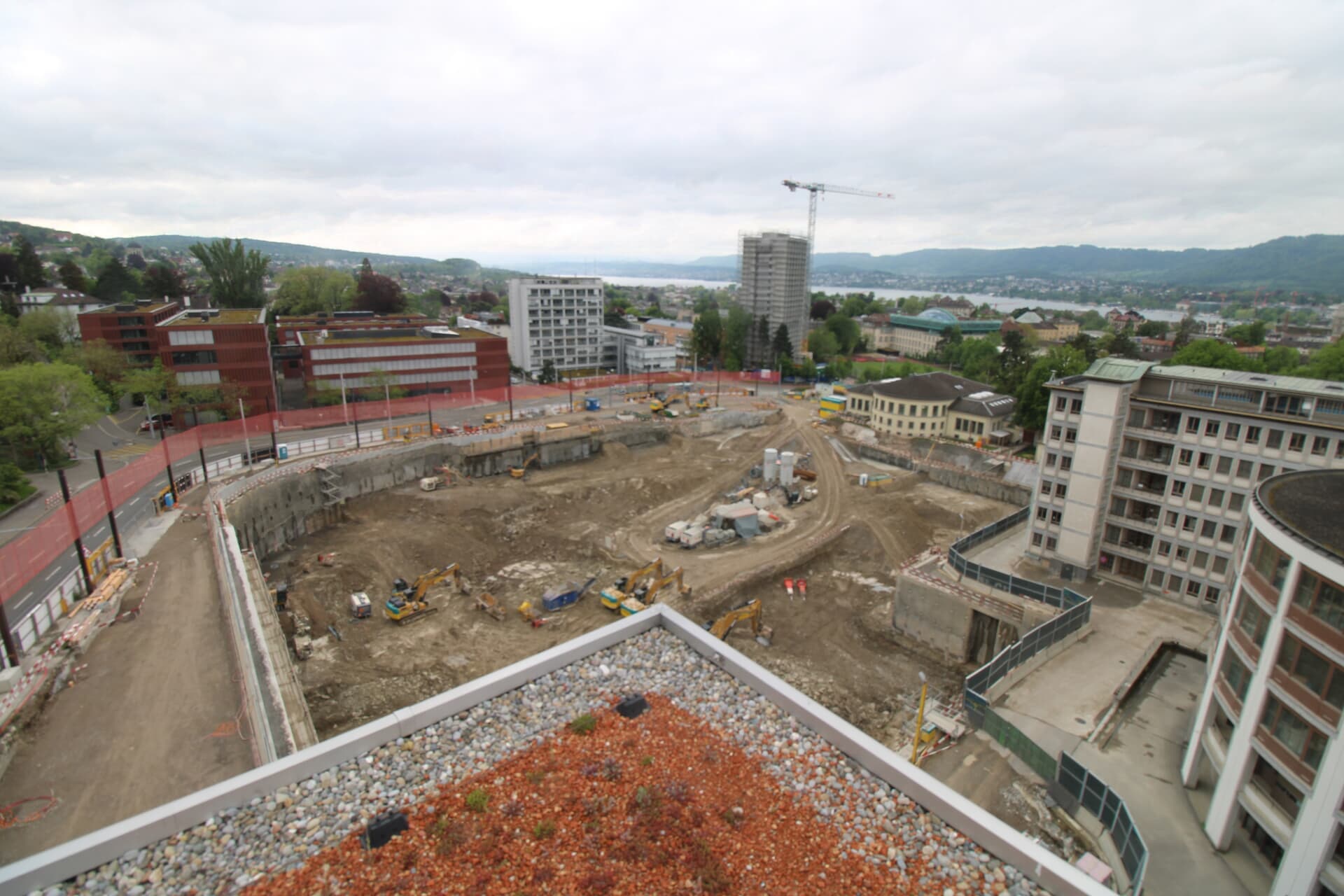
From the roof of the laboratory wing

Live webcam from the roof of Plattenstrasse 10 (new picture every 10 minutes):
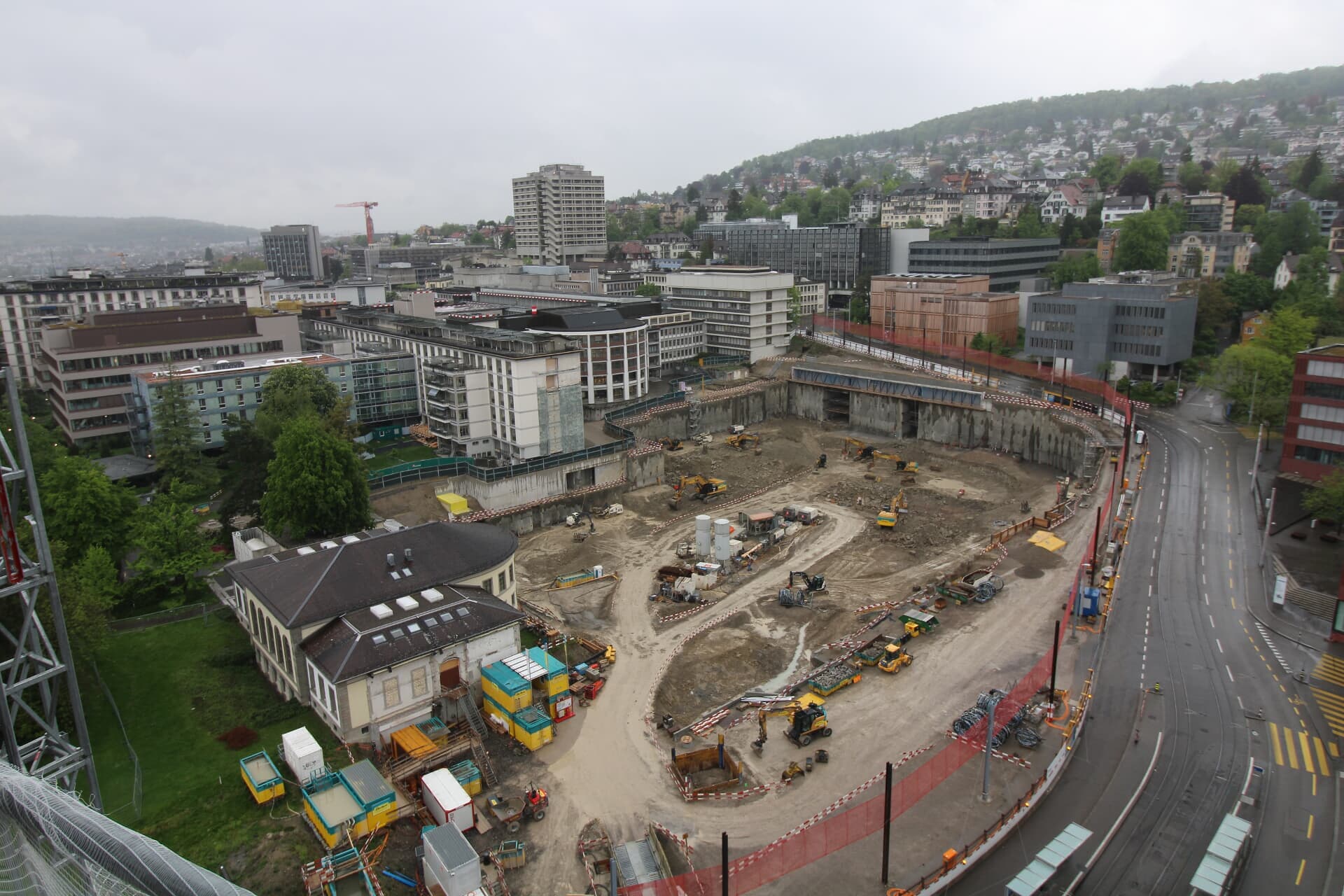
From Plattenstrasse 10

2031

According to the current schedule: after a six-month test phase, during which all equipment and processes will be put through their paces, the first patients can be treated in the hospital of the future.

Perspektive Einfahrt Ambulanz.

Construction site progress in fast motion (August 2022 to October 2025)

Contact

Do you have further questions about the overall renovation of the USZ that we have not answered on these pages? Or a suggestion? Please contact us by e-mail. We look forward to hearing from you!

Mail bau@usz.ch
Contact form

USZ newsletter "Construction topics" for residents

The USZ newsletter is published two to three times a year and contains articles on construction progress, expected emissions and the completed infrastructure.

Registration