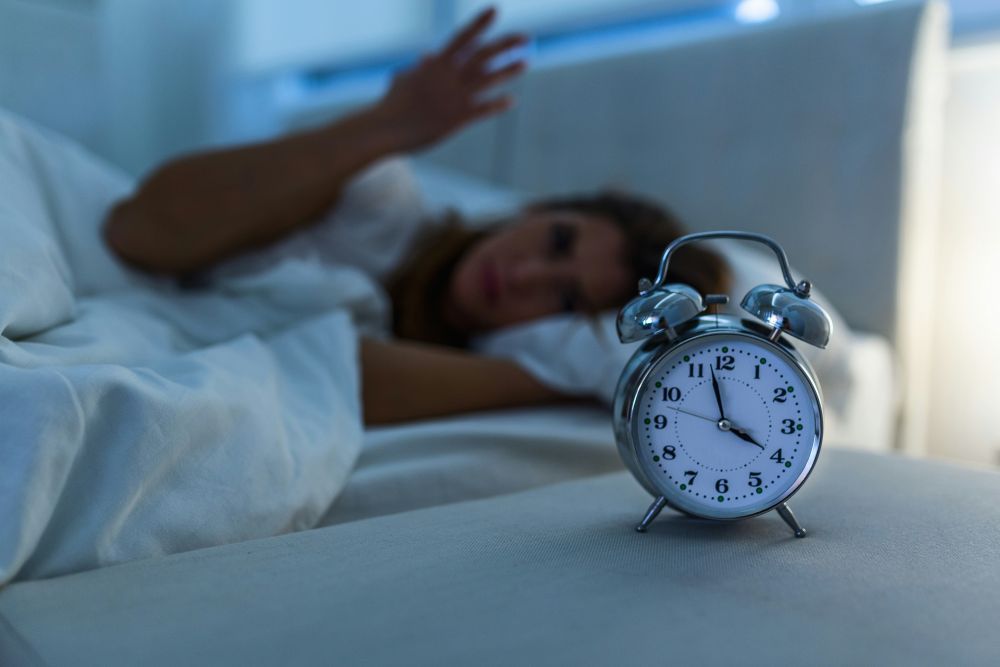
People who have to get up several times a night to use the restroom often sleep less well, feel tired during the day, and feel less productive. Nevertheless, many people affected do not talk about it—because they view the urge to urinate at night as a normal part of aging. Often, there is a treatable underlying cause.
Getting up once a night is usually no problem. However, according to experts, anyone who regularly wakes up more than twice a night to use the restroom suffers from clinically significant nocturia.
What sounds harmless actually has noticeable consequences: “Any interruption can pull the body out of important sleep stages,” explains Dr. Tobias Simon Schmidli, a senior physician in the Department of Urology at the University Hospital of Zurich. Many people affected by this condition do not feel rested in the morning, even though they have had enough sleep. During the day, symptoms such as fatigue, difficulty concentrating, or a low mood may be present. “Chronic sleep deprivation takes a toll on both the body and the mind, often more than those affected initially realize.”
In addition, getting up at night carries an underestimated risk: the risk of falling increases when you’re half asleep. Stairs, thresholds, or poor lighting on the way to the restroom can be dangerous, especially for older people.
“A regular urge to urinate at night warrants further evaluation, especially if it interferes with sleep, daily energy levels, or quality of life.”
Not Just a Bladder Problem
Nocturia is not a distinct clinical condition, but rather a symptom with a wide variety of causes. Sometimes this is caused by a disorder of the lower urinary tract. In men, benign prostatic hyperplasia is a common cause.
In women, hormonal changes after menopause play an important role: Declining estrogen levels affect the bladder and pelvic floor and can contribute to a more frequent urge to urinate.
Other conditions may also be a factor—including diabetes, high blood pressure, heart failure, or kidney disease. Even certain medications, such as diuretics, can increase the urge to urinate at night.
Why Many People Affected Wait Too Long
Shame and the belief that this is simply a normal part of aging prevent many people from bringing up the topic during a doctor’s visit. Going to the bathroom at night is quietly accepted—and so are its consequences.
“The rule of thumb is: ‘A regular urge to urinate at night warrants further evaluation, especially if it interferes with sleep, daily energy levels, or quality of life,’ says Dr. Schmidli.” Experts recommend seeking medical evaluation if a person has to get up more than twice a night on a regular basis.
What Might Help
The good news: Nocturia is often treatable. Depending on the cause, various approaches may be considered—ranging from adjusting medication and treating an underlying condition to pelvic floor exercises or targeted treatment of a lower urinary tract dysfunction.
In addition, simple adjustments to daily life can help:
- Cut back on alcohol and caffeine in the evening
- Maintain regular sleep and hydration habits
- Record symptoms in a bladder diary to identify patterns
- Do not drink a large amount of liquid right before bedtime
Important: People with this condition should not drastically limit their fluid intake on their own to avoid having to get up at night. Not drinking enough fluids can cause other health problems.
Sleep Is Quality of Life
“Many people simply put up with the urge to urinate at night for years—and with it, the negative effects on their health,” Dr. Schmidli knows from experience. “Restful nights are an important foundation for physical and mental well-being.”
Anyone who is regularly awakened by the urge to urinate should not accept these symptoms as an inevitable part of aging. This is because there is often a treatable cause behind it. And sometimes, better sleep starts with just one conversation with a doctor.
Neuro-Urology and Urinary Incontinence Clinic at the USZ
Bladder problems such as a strong urge to urinate, frequent trips to the bathroom, or involuntary urine leakage are common and often become more frequent with age. At the Neuro-Urology and Urinary Incontinence Clinic at the University Hospital of Zurich, the causes of symptoms are thoroughly evaluated and individualized treatment options are discussed. The goal is to improve bladder function and restore quality of life for those affected.