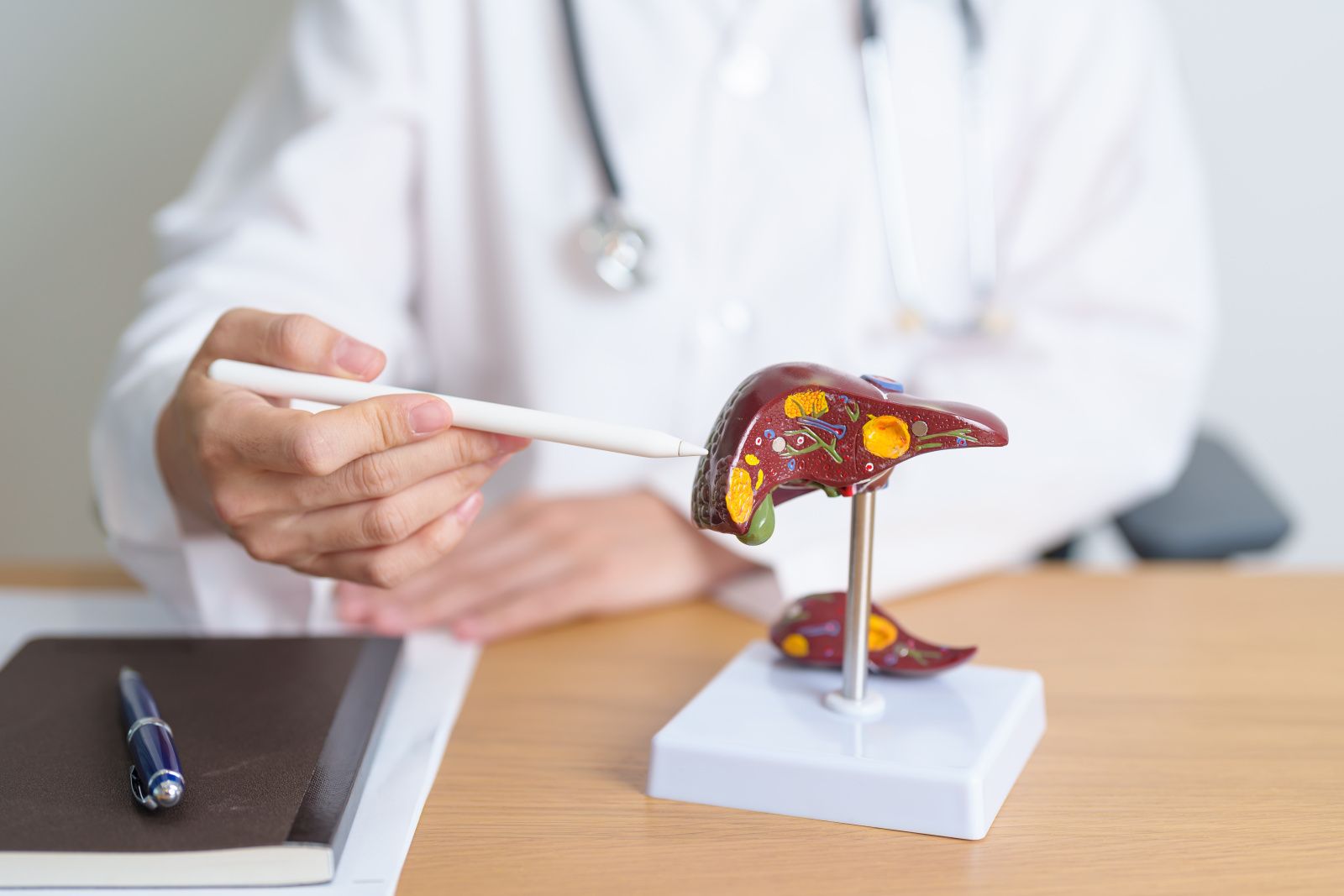
The liver is a large organ with a very good blood supply. It is located in the right upper abdomen, well protected under the ribs, and is of central importance for the metabolism. This is where nutrients from the gastrointestinal tract are absorbed and processed. The liver stores energy in the form of readily available glycogen or fat. It produces bile, which we need to digest fats, among other things. It is responsible for detoxification during the breakdown of alcohol and medication, produces important factors for blood clotting and stores the fat-soluble vitamins A, D, E, K as well as vitamin B12 and iron. After all, it is also the organ that produces, transports and breaks down cholesterol.
The liver: an organ with impressive self-healing powers
The liver is a miracle of regeneration. For example, if a large part of the liver has to be removed due to a specific disease, the missing part simply grows back – and quite quickly.
This amazing regenerative capacity is often overused in the modern world, especially as the liver does not respond for a long time if we put too much strain on it.
More about the liver organWhen lifestyle leaves noticeable traces in the liver
Overeating and lack of exercise put permanent strain on the liver. It then stores too much fat. In evolutionary terms, storing energy was a survival advantage, but now, with our sedentary lifestyle and the ubiquitous availability of mostly industrially processed food, we have created a critical situation: we consume too much energy and too little.
As the abdominal girth increases, a reduction in muscle mass can usually be observed. This reduces the so-called basal metabolic rate. And it is of course not true that the liver “grows with its tasks”, as it is always jokingly called, i.e. that it is okay if it enlarges. If the liver is overloaded with fat, at some point it can no longer perform its actual tasks properly. This manifests itself in symptoms such as tiredness, indigestion, flatulence and sometimes a feeling of pressure in the upper abdomen.
Ultrasound then reveals a noticeably pale, fatty and sometimes enlarged organ, while the typical liver laboratory values need not even be altered.
Blood sugar metabolism should also be taken into account in the blood values. A so-called diabetic metabolic state with an increase in the long-term blood glucose value HbA1c is often already apparent.
Fatty liver is more than just a nutritional problem
The development of a fatty liver is a complex process which, in addition to an unbalanced diet, also changes the intestinal flora and reduces the insulin effect as part of chronic inflammation.
Non-alcoholic fatty liver disease is a disease of civilization which, if left untreated, can lead to liver fibrosis and cirrhosis and also promotes the development of liver cancer.
There is also a clear link to the development of type 2 diabetes, high blood pressure, heart attacks and strokes. However, civilization disease also means that this process can be reversed by a change in diet and more exercise and sport.
Look early, act holistically
These are all good reasons to take a close look and develop effective strategies as early as possible that not only regenerate the liver, but also normalize blood sugar, lower blood pressure, relieve the joints by reducing weight and increase overall performance.
Even slim people can be affected by a fatty liver
There are also slim people with fatty liver – these are TOFIs (thin outside, fat inside). Dietary errors are also present here, often with high sugar and fructose consumption. The risk of secondary diseases is no lower than for overweight people. Here, too, the motto is: exercise, no soft drinks, no fruit juices, change your diet, take a break from alcohol!