Research Group Stephan Neuhauss

Keywords
Zebrafish, Cancer Avatars, Retina, Metabolism, Glutamate Homeostasis
Summary & Mission statement
We use zebrafish genetics to further our understanding of vision, brain function and cancer. We aim to build genetics models that enable understanding disease mechanisms and design therapeutical interventions.
Overview
We employ genetic zebrafish models to investigate the nervous system, with a particular focus on the retina, brain excitability, and brain tumors. To this end, we have developed a suite of behavioral and electrophysiological assays that enable us to precisely delineate the effects of specific mutations on neural function.
These innovative approaches have led to significant insights into cone (daylight) vision, including the discovery of a cone-specific opsin kinase and the identification of circadian influences on visual transduction. Our research is further driven by a strong interest in glutamate homeostasis, both in the context of synaptic transmission and overall brain excitability. By studying the excitatory amino acid transporter (EAAT) family, we have revealed unexpected roles in direct synaptic inhibition and in modulating broader neural activity.
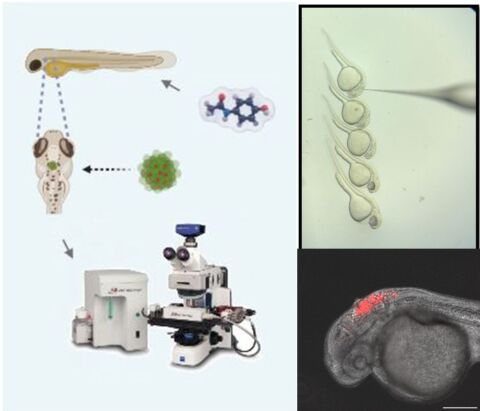
In the field of cancer research, we have established zebrafish avatars for medulloblastoma through the xenotransplantation of human tumor cells into the larval zebrafish brain. This model has allowed detailed analyses of tumor behavior in the neural environment and the evaluation of pharmacological interventions. We are now extending this approach to additional cell types and tissues, aiming to better understand how neuronal excitability contributes to the development and progression of brain cancers.
Publications