Research at the Zurich Stroke Center

At the Zurich Stroke Center, we combine clinical excellence with groundbreaking basic research. In close collaboration with UZH and ETH, we are investigating the mechanisms of cerebral plasticity and self-healing in order to significantly improve rehabilitation and prognosis following a stroke.

Clinical Research Focus - Stroke

A stroke is a common and serious condition. Although great strides have been made in acute care, the majority of patients remain disabled. The brain has self-healing mechanisms that could help patients with stroke-related brain injuries if they could be harnessed for therapeutic purposes. However, too little is still known about these mechanisms.

We suspect that hypoperfusion during the acute phase is the trigger for these mechanisms; more specifically, that hypoperfusion increases plasticity in the brain tissue surrounding the injury. Through collaboration between the fields of neurology, neuroradiology, neurosurgery, and neuropathology, we aim to test this hypothesis in parallel studies involving both humans and animal models.
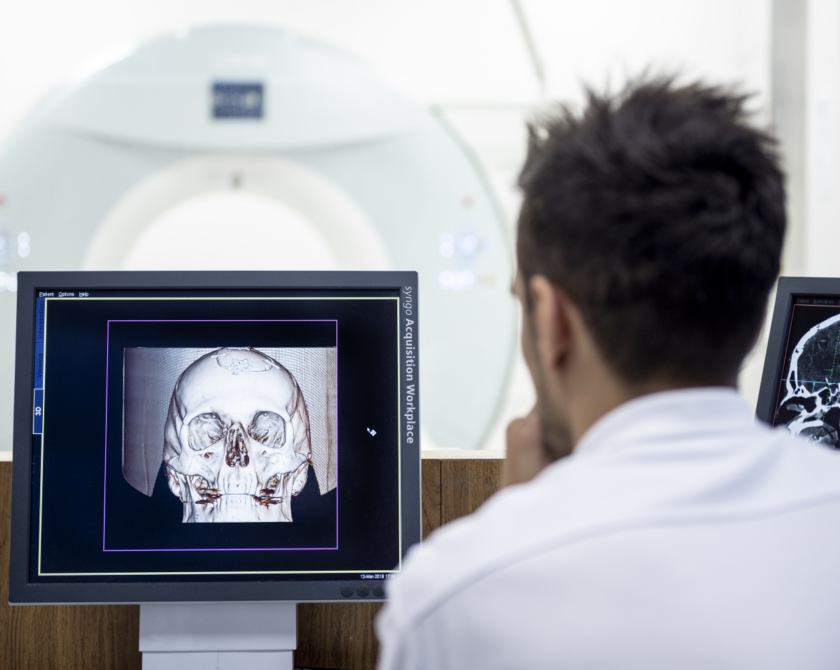
Arzt studiert Röntgenbild auf Bildschirm

Using animal models and in vitro experiments, along with modern imaging techniques, we are investigating how strokes occur, why patients respond so differently to stroke treatments, and how we can improve current treatment approaches.
One area of focus is “reperfusion failure.” Unfortunately, despite excellent treatment that restores blood flow to the blocked blood vessel, many people do not make a full recovery from a stroke. A key factor is the smallest blood vessels (microcirculation), which are impaired in cases of reperfusion failure.
Here, findings from basic research have led us to identify new therapeutic targets that involve the immune system. We are currently developing a Switzerland-wide clinical trial involving many European centers to test a drug designed to keep pathological immune activation in check. We will let you know when the trial can begin.

More Information

Biomarkers for Improved Diagnosis and Treatment of Stroke

Biomarkers are characteristic biological traits that can be measured in the human body. They may indicate a normal biological process or a pathological process in the body. We are investigating whether certain blood biomarkers (e.g., proteins, metabolites, blood cells) can provide insight into the causes of a stroke or the most appropriate treatment. At the Clinical Neurocenter (KNZ), together with our partners in neuroradiology and neurosurgery, we also analyze imaging biomarkers derived from brain and cerebral vascular imaging. We are particularly interested in the “collaterals”—the bypass circuits of the brain’s blood vessels—and in how we can use these images to identify patients at high risk for stroke. In addition, we use data from electrocardiograms or cardiac imaging to detect cardiac causes of stroke at an earlier stage. In doing so, we use modern statistical and computer-aided analysis methods.

Prof. Wegener's Clinical Research Team

Susanne Wegener, Prof. Dr. med.

Senior Physician, Department of Neurology

Tel. +41 44 255 55 11
Specialties: Stroke and neuroangiology (duplex sonography), Headache, Primary and secondary prevention

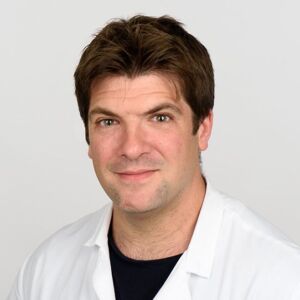
Philipp Baumgartner, Dr. med.

Attending Physician, Department of Neurology

Tel. +41 44 255 55 11

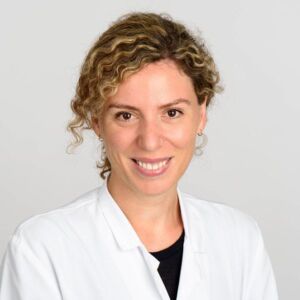
Laura Philine Westphal, Dr. med.

Attending Physician, Department of Neurology

Tel. +41 44 255 55 11
Specialties: Stroke and neuroangiology, General neurology, Neurological intensive care medicine

Gabriele Maria Gassner

Resident, Department of Neurology

Tel. +41 44 255 11 11

Anton Schmick, FEBN, Dr. med.

Attending Physician, Department of Neurology

Tel. +41 44 255 55 11

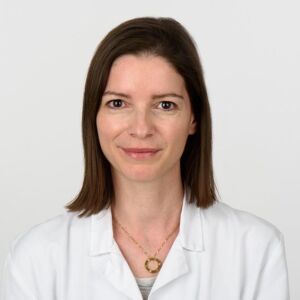
Corinne Inauen, Dr. med.

Attending Physician, Department of Neurology

Tel. +41 44 255 55 11

Simone Huber, Dr. sc. ETH

Wissenschaftliche Mitarbeiterin, Physiotherapy Occupational Therapy
Studienkoordinatorin, Department of Neurology

Tel. +41 43 253 14 80

Publications by Prof. Wegener

You can find Prof. Wegener’s publications on Google Scholar.

See Publications