In recent years, an average of two hantavirus infections have been diagnosed in Switzerland – although these people probably contracted the virus abroad. Hantavirus infection in Europe (see below) is symptom-free in the majority of cases (70-80%). In about 30-50% of cases, patients who fall ill with symptoms caused by hantavirus develop severe, sometimes life-threatening conditions. Here you will find all the important information on transmission and prevention, symptoms, diagnosis and treatment.
Hantavirus infection
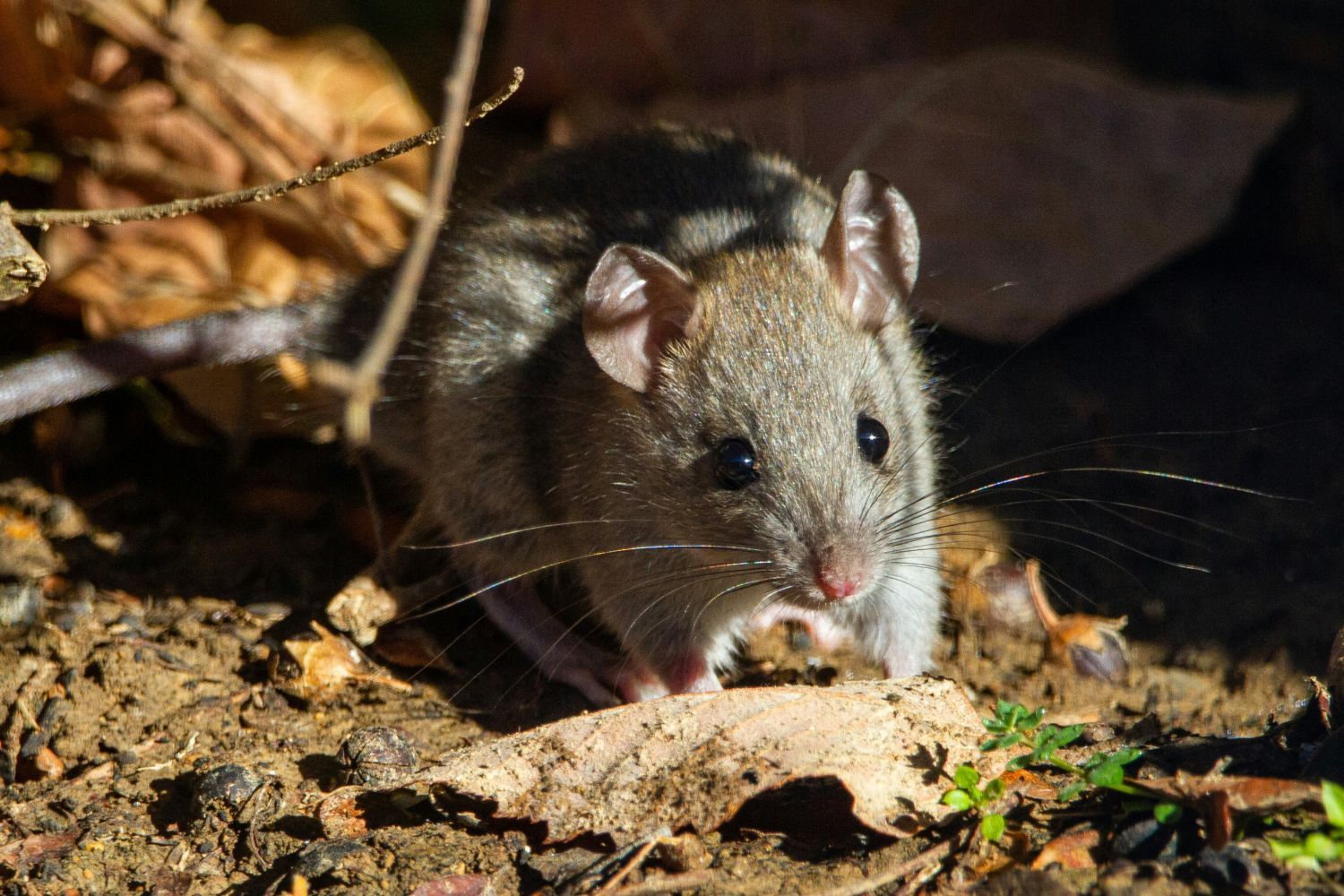
Hantavirus is transmitted to humans almost exclusively by rodents or their feces/urine. In the medical literature, pathogens that are transmitted from animals to humans are referred to as zoonoses.
What is the hantavirus?
Hantaviruses belong to the Bunyaviridae order and are found worldwide. There are over 40 different types of hantavirus, which cause different diseases depending on the region. The hantaviruses of the “old world” are found in Europe and Asia. In Europe, the Puumala and Dobrava viruses are particularly relevant. These viruses are transmitted by rodents or their excretions (e.g. bank voles, wood mice) and can cause hemorrhagic fever with renal syndrome (HFRS) in humans.
The hantaviruses of the “new world” are found in North and South America. There is, for example, the Sin Nombre or the Andes virus. Hantaviruses of the “new world” primarily cause hantavirus pulmonary syndrome (HPS). The disease is often fulminant and has a high mortality rate.
Transmission: How do you get infected with hantavirus?
Infection mainly occurs through:
- Inhalation of dust containing the virus (e.g. when cleaning barns, woodsheds or cellars inhabited by rodents)
- Direct contact with rodent droppings, urine or saliva (e.g. when touching contaminated objects)
- Bites from infected rodents (very rare)
- Close contact with a person infected with hantavirus (only in the case of hantavirus infections (subtype: Andes) from the “new world”; see below)
Risk groups:
- Forestry and farmers
- Hunters
- Campers and hikers
- People who live in endemic areas or store wood there
Human-to-human transmission is extremely rare and has only been documented for certain variants, e.g. the Andes virus in South America. In these cases, infection presumably occurs via close contact with body fluids of infected persons. In Europe and Switzerland, there are no confirmed cases of direct transmission between humans.
Symptoms: How does a hantavirus infection manifest itself?
The incubation period is one to seven weeks. The symptoms often occur in two phases, with the clinical pictures of the second phase differing greatly depending on which strain triggers the infection.
Phase1 : Flu symptoms
In the beginning, many sufferers feel like they have a strong flu. The illness usually begins suddenly with a high temperature, chills, headache, back and abdominal pain, tiredness and weakness. Nausea, vomiting, dizziness, drowsiness and occasionally visual disturbances are common.
Phase 2: Kidney involvement (HFRS)
Certain types of hantavirus, mainly from Europe and Asia, trigger the disease “hemorrhagic fever with renal syndrome” (HFRS) in a second phase, in which the kidneys are primarily affected.
This leads to a drop in blood pressure and impaired kidney function. Severe cases can lead to acute kidney failure, shock and other complications. Bleeding of the skin and mucous membranes rarely occurs. HFRS can become life-threatening in severe cases. Early diagnosis and close medical monitoring are crucial.
If HFRS is suspected, medical advice should therefore be sought at an early stage – especially if fever, severe pain or urinary symptoms occur after possible rodent contact.
Phase 2: Hantavirus pulmonary syndrome (HPS)
Hantavirus pulmonary syndrome (HPS) is a rare but potentially life-threatening disease of the respiratory tract. It is mainly caused by hantaviruses from North and South America (e.g. Sin Nombre virus, Andes virus). After the initial phase with flu-like symptoms, the condition can suddenly deteriorate significantly. Difficulty breathing occurs as fluid accumulates in the lungs. This phase is referred to as the actual pulmonary syndrome. Without rapid intensive care treatment, HPS can lead to respiratory failure. Early detection and immediate intensive medical treatment are crucial in HPS.
Due to global mobility and environmental changes, hantavirus-related diseases must also be considered in Switzerland in the event of corresponding exposure and clinical symptoms.
Diagnosis: How is the infection detected?
Before any blood tests are carried out, the doctor will ask about possible exposure (see above “Transmission: how to become infected”). In the absence of exposure, a hantavirus infection can actually be ruled out.
If exposure has been possible, blood tests are now required. The diagnosis of a hantavirus infection is made by the direct detection of hantaviruses in the blood, upper respiratory tract secretions or urine (molecular biology) or by the detection of hanta-specific antibodies.
Hantavirus treatment: therapy options
There is no specific antiviral therapy against hantavirus. Treatment depends on the symptoms and severity – antipyretics such as paracetamol relieve fever and pain, while kidney problems or respiratory distress may require intensive care measures such as dialysis, oxygen administration or ventilation
Prognosis
Most patients make a full recovery. Mortality depends on the pathogen. While the mortality rate for Puumala infections in Europe is less than 1%, for example, it is less than 1% for
Andes virus-related disease is many times higher. Early and intensive medical treatment significantly improves the chances of survival.
Prevention: How can you protect yourself?
As there is no vaccine against hantavirus, exposure prophylaxis is crucial:
- Keeping rodents away in the wild: storing food safely, disposing of waste, sealing buildings
- Protection when cleaning areas with possible rodent infestation: Wear gloves, respirator mask (FFP2) in case of possible swirling up of dust. Ventilate rooms well beforehand, moisten surfaces so that no dust is stirred up.
Frequently asked questions about the hantavirus
Yes, hantavirus has been notifiable in Switzerland since 2016. Doctors must report suspected cases, cases of illness and deaths to the Federal Office of Public Health (FOPH).
No, once an infection has been contracted, there is lifelong immunity to the respective virus type
Hantaviruses can remain infectious in dried rodent feces or urine for several weeks to months.
For the hantaviruses that occur in Europe, there are no confirmed cases of direct human-to-human transmission to date. Human-to-human transmission has been documented for the Andes virus (South America, especially Argentina and Chile). In these cases, the infection probably occurred through close contact with bodily fluids (e.g. blood, saliva) of infected persons, for example within families or in the healthcare sector.