If lymph fluid builds up in the arms or legs, this can be very stressful for those affected. For a long time, such chronic lymphoedema was treated exclusively with physiotherapy. However, additional surgical interventions always achieve better results.
Lymphoedema can be congenital, but is more common after cancer operations and the removal of lymph nodes in the arms and legs. Fluid builds up in the tissue and can no longer continue to flow, causing the area to swell considerably and cause tension and pressure pain.
The classic therapy is carried out by means of physiotherapy: targeted manual massage techniques help the lymph vessels to become more active. This lymphatic drainage is supplemented with compression wraps and custom-made stockings. However, the treatment is purely symptomatic and must be repeated regularly, usually for the rest of the patient’s life. In advanced stages, lymphatic drainage is also less successful because the tissue hardens over time and fat deposits form.
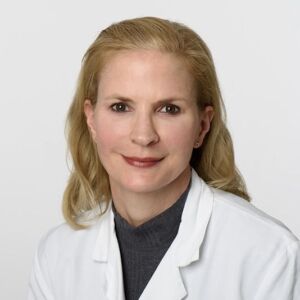
For these reasons, surgical intervention should also be considered. Lymphoedema surgery has been performed at the University Hospital Zurich since 2015. A cure is not yet possible, even with surgery. But: “Almost all patients speak of a significant improvement in their quality of life,” says Professor Nicole Lindenblatt from the Clinic for Plastic Surgery and Hand Surgery. Patients consistently report that the painful feeling of pressure and tension in particular has decreased. Some people might also remove their stockings from time to time. According to Lindenblatt’s experience to date, a permanent reduction in arm and leg circumference of 20 to 30 percent can be expected. “The earlier the procedure is carried out, the better the results,” she says.
The operations are performed under a microscope and are not very stressful for patients as the procedure involves relatively superficial fatty tissue. There are two different procedures: Either lymph nodes are transferred from one location to another or the lymph vessels are connected to draining veins. Both procedures are offered at the USZ; depending on the type of lymphoedema, one or the other is more suitable. Additional liposuction surgery may be appropriate in some cases.
Microsurgery also helps with lymphatic fistula
The University Hospital Zurich is the Swiss competence center for the treatment of lymphedema. There are regular joint patient consultations with surgeons, angiologists and physiotherapists. The experience gained from the surgical interventions is also incorporated into scientific studies. The long-term goal is to be able to cure the lymphoedema permanently.
Microsurgery techniques can also be used to treat lymphatic fistulas. These troublesome and recurring seromas are injuries to lymph vessels that often occur after lymph node removal. External doctors can refer affected patients to the Department of Plastic Surgery and Hand Surgery at the USZ.