Story

Not just in winter: How to prevent dry skin

Our skin dries out more quickly, especially in the cold season. The cold, dry air is only one of many causes of dry skin. How xeroderma develops, what really helps against it and when a skin check makes sense.

In winter, many people experience dry skin on their faces or hands. No wonder—the dry air in heated rooms, combined with the cold, dry air outside, robs our skin of a lot of moisture.

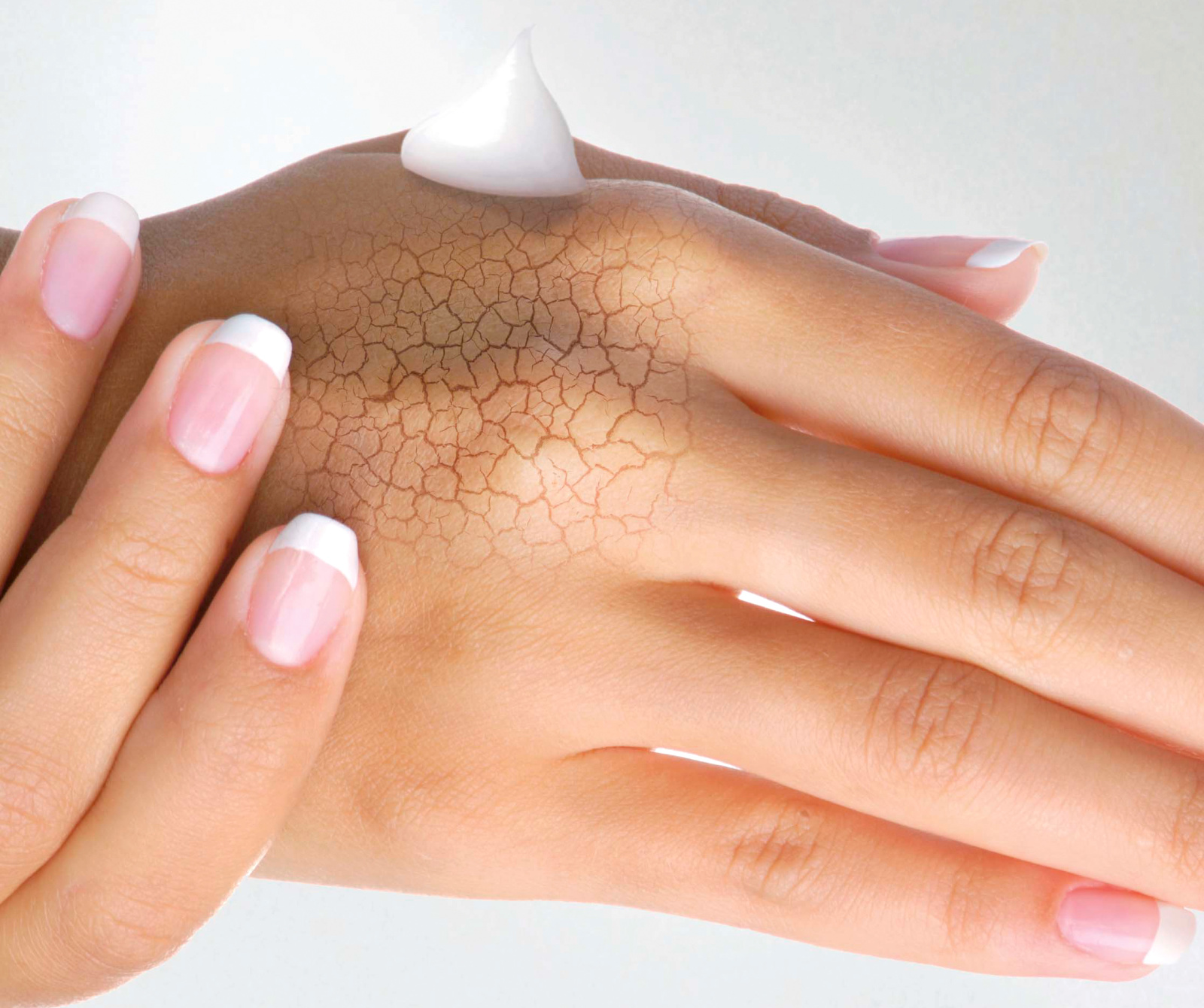
A typical symptom of dry skin is flaking, which occurs when the outermost layer of skin sheds more slowly than usual, leading to an unpleasant feeling of tightness. It is also referred to as xeroderma or dry skin. It occurs when the skin’s natural oil and moisture balance is disrupted or overtaxed.

Healthy, normal skin is soft and elastic thanks to its water content. The outermost layer of the skin contains lipids that reduce evaporation. This helps retain moisture in the deeper layers of the skin and protects the skin from water loss. If there isn’t enough oil, the skin dries out more quickly—especially in dry air, such as in winter or in cold regions.

The Most Common Causes of Dry Skin

In addition to the cold season, there are many other causes of dry skin. Age plays an important role: Starting in the second half of one’s life, the skin’s moisture content decreases. Sebum production gradually decreases, and the skin retains less moisture.

However, dry skin can also simply be genetic. For example, low sebum production in the skin may run in the family.

Christian Greis, a senior physician at the Department of Dermatology at the University Hospital of Zurich, cites another common cause that sounds paradoxical at first: water. “Water doesn’t actually moisturize the skin; rather, it strips away oils. People who frequently take long, hot showers or baths are more prone to dry skin,” says Greis. “If you then use conventional or even harsh soap, this also strips the skin of important oils, causing it to lose even more moisture.”

In addition, there are less common causes. These include conditions such as atopic dermatitis, psoriasis, and diabetes, as well as medications such as those used to lower blood lipid levels. “Put simply, one of their side effects is that they also reduce the skin’s oil content,” says Greis.

Good to know: In the summer or in hot regions where humidity is high, the skin does release less moisture. However, your skin can still become dry—especially if you’re constantly swimming in saltwater and sunbathing during a beach vacation.

Why Some Parts of the Body Are More Affected Than Others

Dry skin occurs particularly often on the face, hands, and feet, as well as on the elbows, forearms, lower legs, and shins. There are several reasons for this: “For one thing, certain areas of the skin—such as the face or hands—are more frequently exposed to external factors; for another, the skin is thinner in some places and therefore more vulnerable, or it has fewer sebaceous glands, which means it produces less oil,” Greis explains. These factors may occur individually or in combination.

The skin loses its barrier function

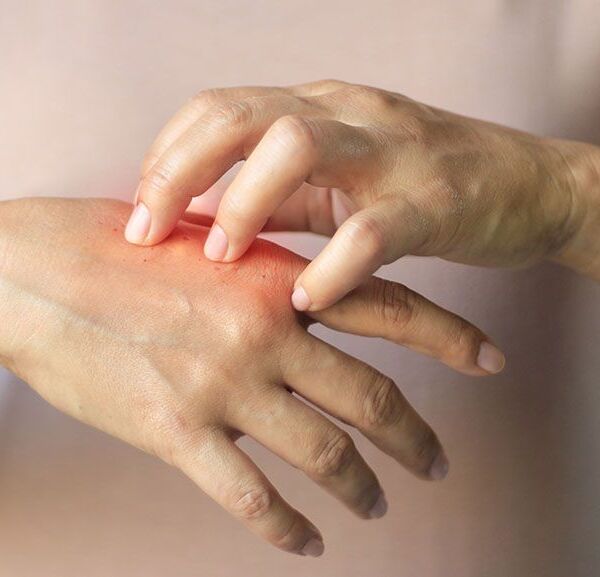
If the skin is severely dry, brittle, and flaky, this impairs its natural barrier function. “This can lead to itchy inflammation and small cracks in the skin. Bacteria and viruses can multiply and penetrate the skin more easily,” explains Greis. Examples include bacterial ringworm and viral warts. “That’s why it’s important to take action as soon as you notice the first signs of dry skin,” Greis emphasizes.

What works, and what doesn’t?

If you want to prevent dry skin or already have dry skin, you should follow these three tips.

  1. Since water and regular soap strip the skin of both oil and moisture, you should avoid taking showers or baths that are too long or too hot. Use a mild, pH-neutral soap that is gentle on the skin. The same goes for washing your hands. Cold or lukewarm water is fine here.
  2. After showering or washing your hands, use a moisturizing body lotion and face or hand cream. Anyone who already suffers from dry skin should apply a moisturizing lotion two to three times a day. “Studies show that applying cream once a day does little to benefit the skin,” says Greis. You have to be patient and apply the cream several times a day for three to four weeks.
    Even if you go swimming at the indoor pool several times a week, you should still apply plenty of sunscreen. “Otherwise, physical activities such as jogging or strength training have no significant effect on skin moisture,” adds Greis.
  1. Since the body transports fluids from the inside to the skin, it’s important that you drink enough. Especially during stressful times, people all too often forget to drink, and as we age, our sense of thirst diminishes, with the result that we tend to drink too little. Be sure to drink about two liters of water or unsweetened tea every day.

While a balanced diet is generally important, healthy foods alone cannot compensate for xeroderma.

When should you see a doctor?

  • If you suffer from persistent dry skin that does not improve even with diligent care, and your skin feels tight again shortly after applying moisturizer.
  • If dry skin itches or even hurts, is red or inflamed in places, or develops cracks or other types of rashes.
  • If your skin becomes noticeably drier shortly after you start taking a new medication, or if you experience other symptoms in addition to dry skin—such as dizziness, headaches, fatigue, excessive thirst, hair loss, or changes in your nails.

The Dermatology Clinic offers an online skin check for such cases. “Patients can simply submit a photo of the change in their skin, provide a brief description of it, and receive an assessment from a dermatologist at our clinic within 24 hours,” explains Greis.

Christian Greis, MBA, Dr. med.

Senior Attending Physician, Department of Dermatology

Tel. +41 44 255 11 11
Specialties: Dermatosurgery (Mohs surgery), Laser medicine & aesthetics , Telemedicine & artificial intelligence (digital dermatology)

Responsible Department