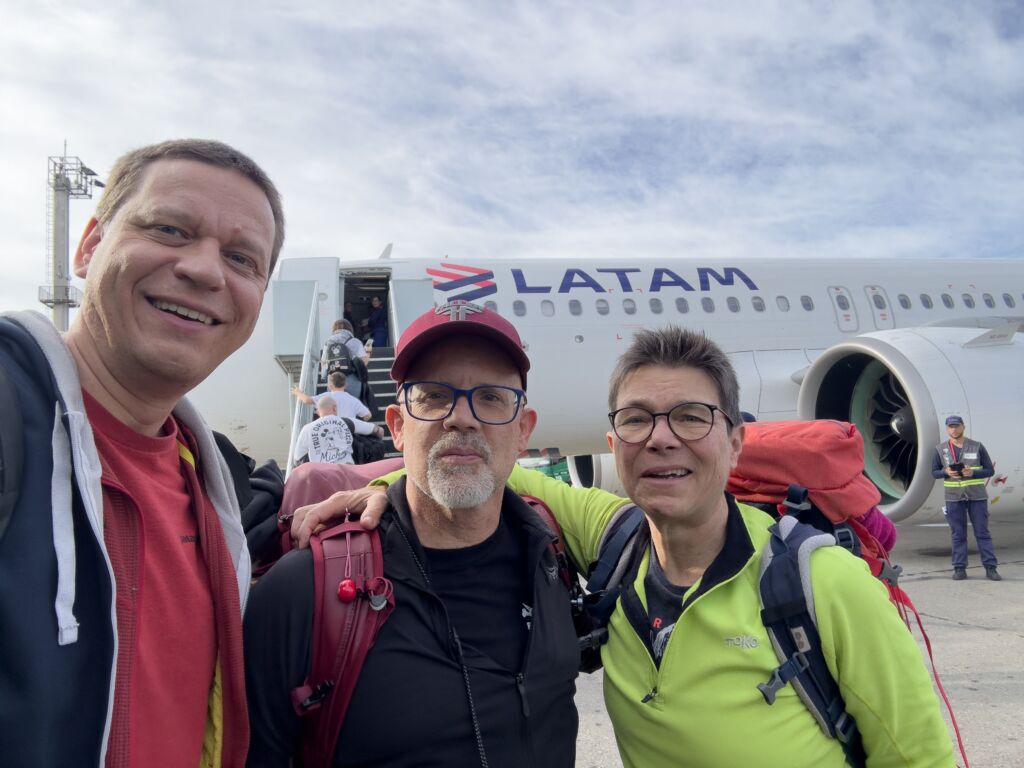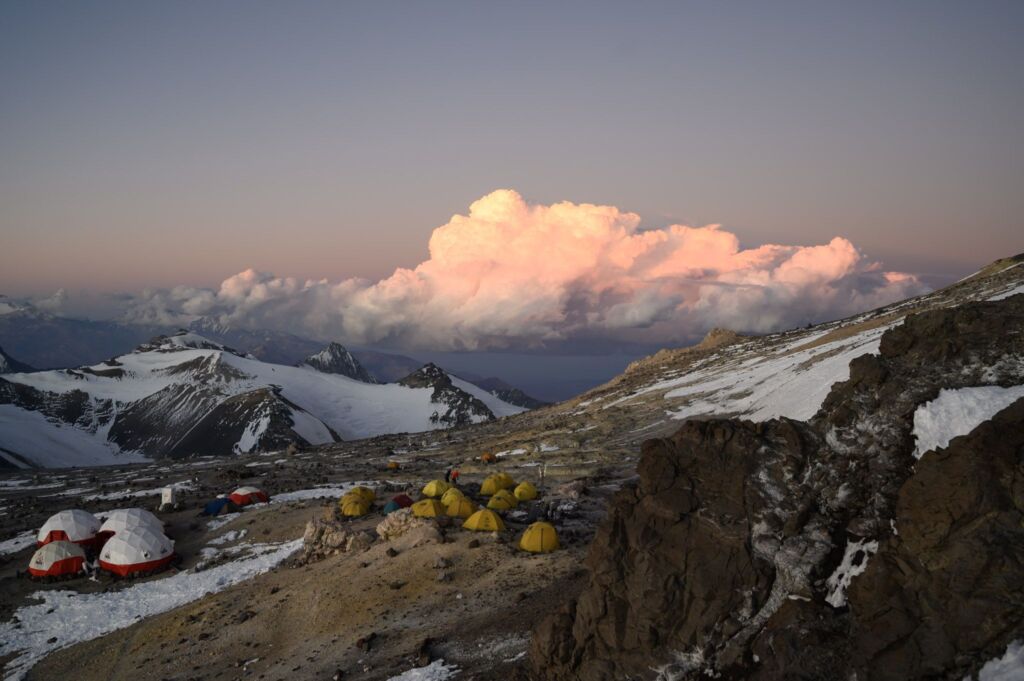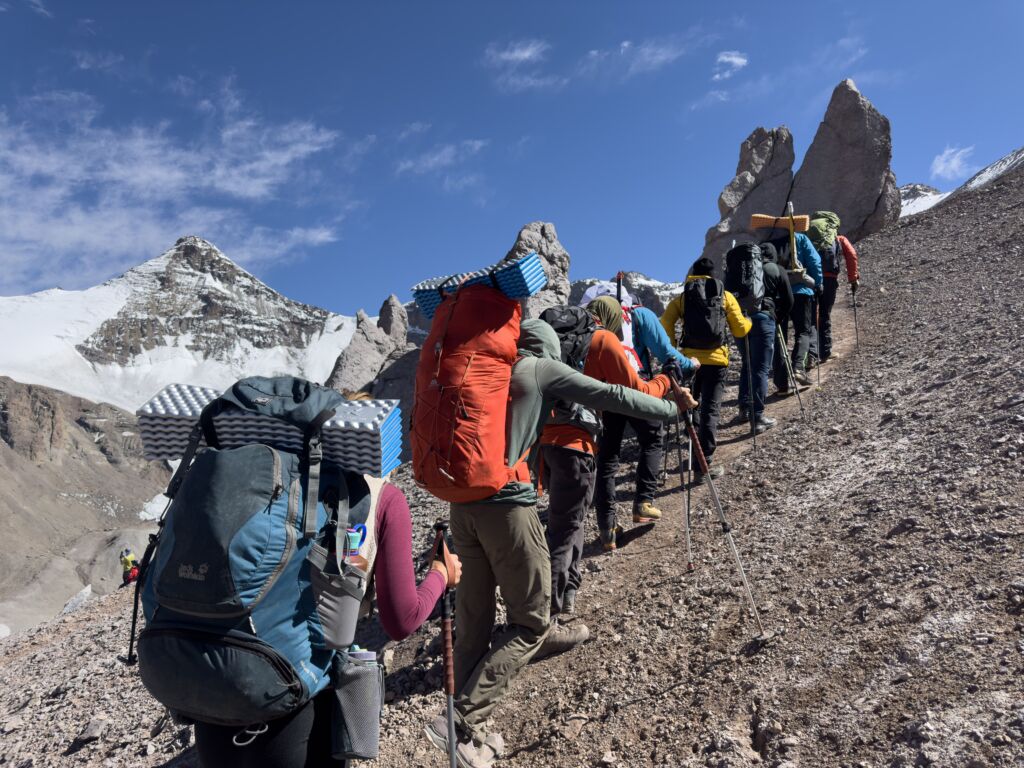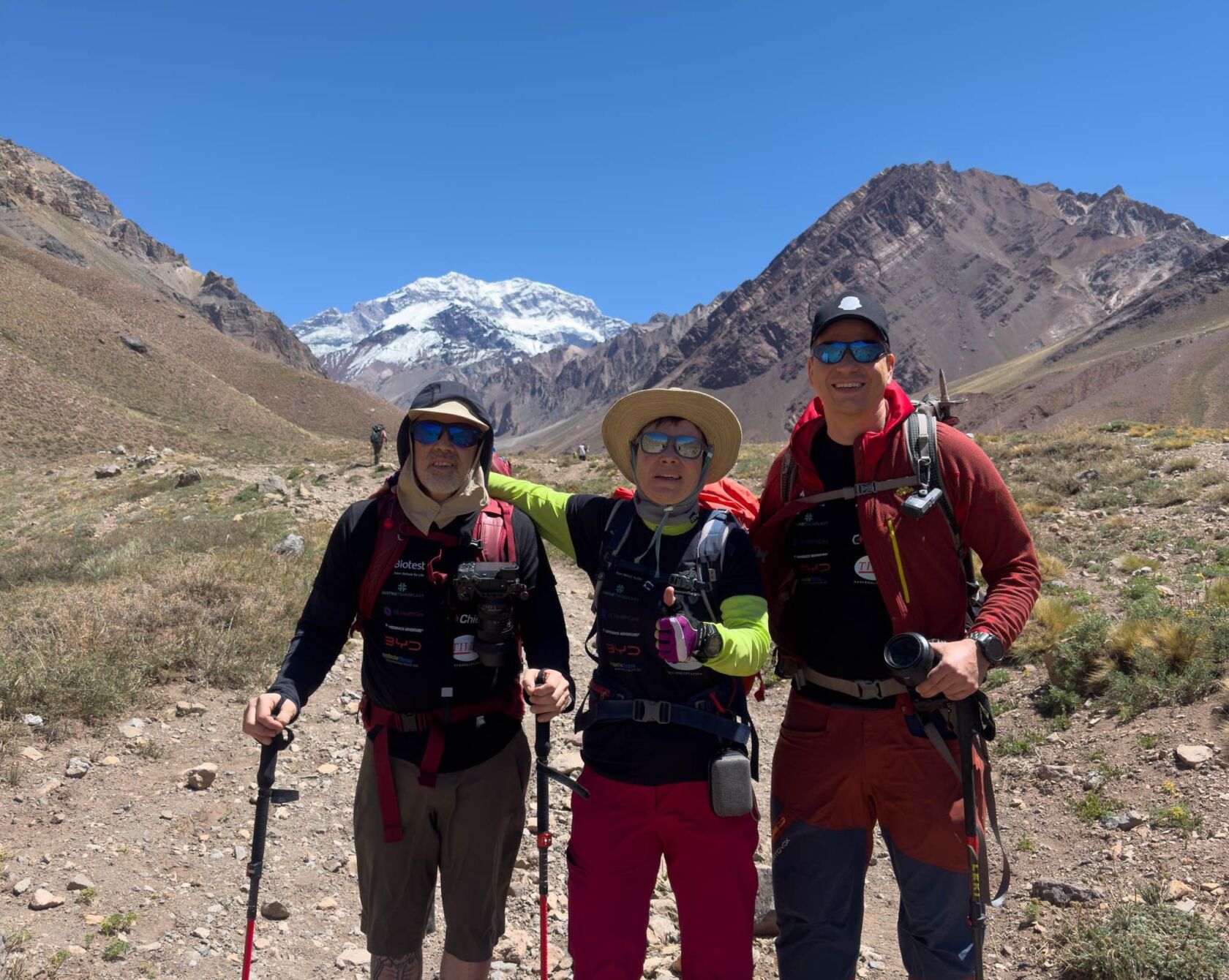
Climbing mountains again with a transplanted organ. Two Swiss transplant patients fulfilled this dream with an expedition to the Aconcagua, the highest mountain in America at 6961 meters. They were accompanied by a medical team from the University Hospital Zurich. Records and medical data were collected on the way to the summit.
Advances in transplant medicine have made it possible for organ recipients not only to continue living thanks to a donated organ, but also to lead an active life again with work, family, hobbies and sport. For two transplant patients from the USZ, this meant taking part in a high mountain expedition on the Aconcagua in Argentina, the highest mountain in the world at 6961 meters above sea level. M. highest peak in America. This was a dream come true for the two mountaineers, who were both active and experienced before their illness.
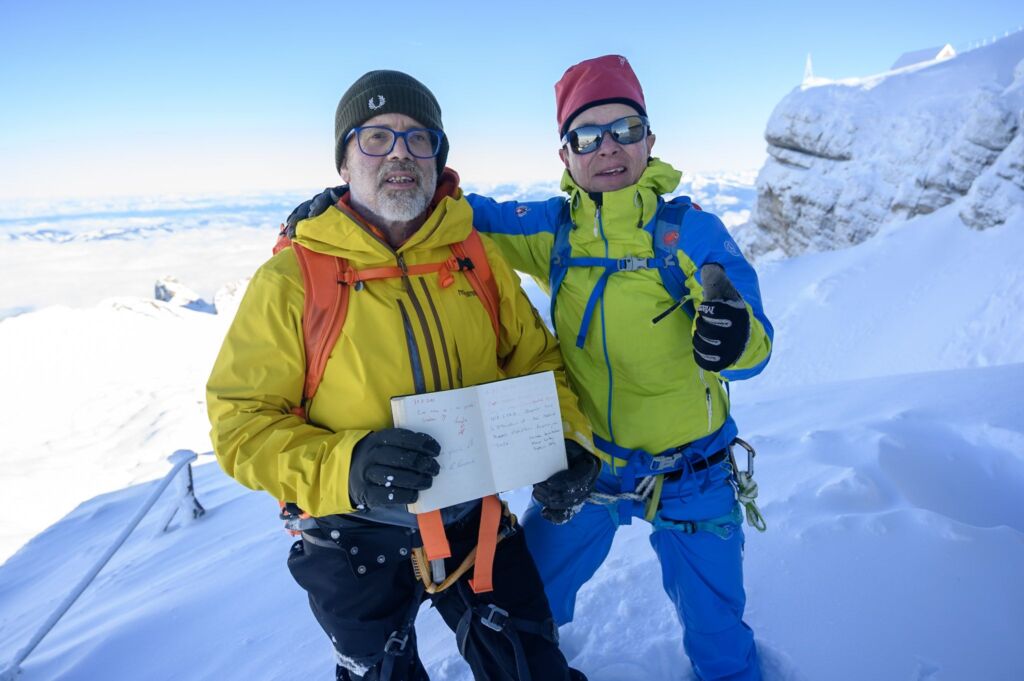
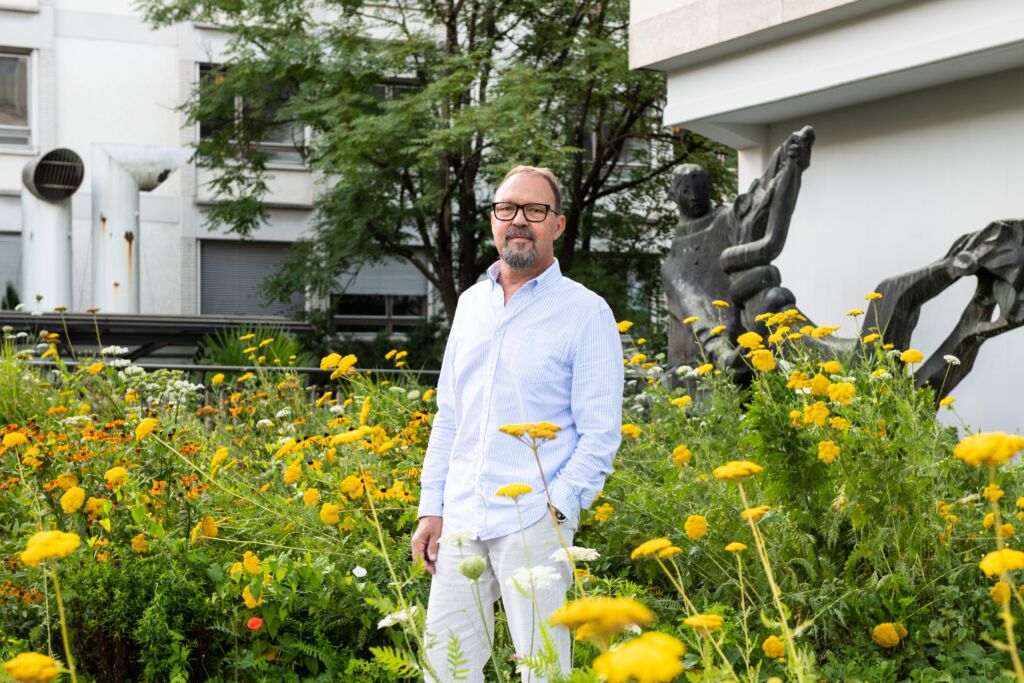
The expedition, which took place in January 2026, was carried out by an international team consisting of nine transplant patients and sixteen accompanying medical and scientific staff from Austria, Denmark, Croatia, the USA and Switzerland. The “Team Switzerland” consisted of Corinne Aeschbacher and Marco Witzig, both transplant patients at the USZ, intensive care physician Matthias Hilty from the USZ and a research assistant. 54-year-old Corinne Aeschbacher received a liver transplant at Zurich University Hospital in 2019, while 56-year-old Marco Witzig received a lung transplant in 2021.
Meticulous preparation ensures safety
The expedition was preceded by a year of preparation. In addition to the physical training, the expedition was meticulously planned to ensure the safety of the participants. The infrastructure had to be adapted and, for example, more oxygen had to be available in the interim storage facilities for emergencies than is usually planned for. In addition to medical support and monitoring on site, the constant availability of other experts, such as the pulmonologists and hepatologists at the USZ, was ensured. “This careful preparation helped to ensure that the expedition was a complete success in every respect and a highly enjoyable experience for all participants,” says Matthias Hilty happily. “All participants were well at all times during the expedition, we were able to treat the inevitable occurrence of acute mountain sickness without any problems and there were no medical incidents.”
Records and top performances on the way to the summit
Of the transplanted participants, one man from Austria reached the summit of Aconcagua at 6961m above sea level on January 24, 2026, together with eight supportive people from the accompanying team. M. No lung transplant patient has ever climbed this high under their own steam and without additional oxygen. Comparable expeditions are only documented on Kilimanjaro at 5895m above sea level. M.
In the Swiss team, Marco Witzig achieved his best mark at 5080m above sea level. Corinne Aeschbacher tackled the summit and made it to 6,200 m above sea level. “This is probably the altitude record for a transplant patient from Switzerland,” says Matthias Hilty, himself an enthusiastic mountaineer with expedition experience. “Only around a third of healthy mountaineers reach the summit of Aconcagua without supplemental oxygen. Against this background, their achievement is magnificent and all the more impressive.” Hilty and the two scientific companions of the Swiss team supported the final ascent to the summit. On the descent, the group was snowed in by a blizzard, but managed to reach lower ground in time. “We can look back on an all-round successful expedition,” concludes Hilty. “However, the focus for all participants is on their personal experiences, which are priceless. Our transplanted participants showed that after a transplant, there are no limits to the quality of life and the achievement of personal dreams.”
Important findings for patients in the intensive care unit
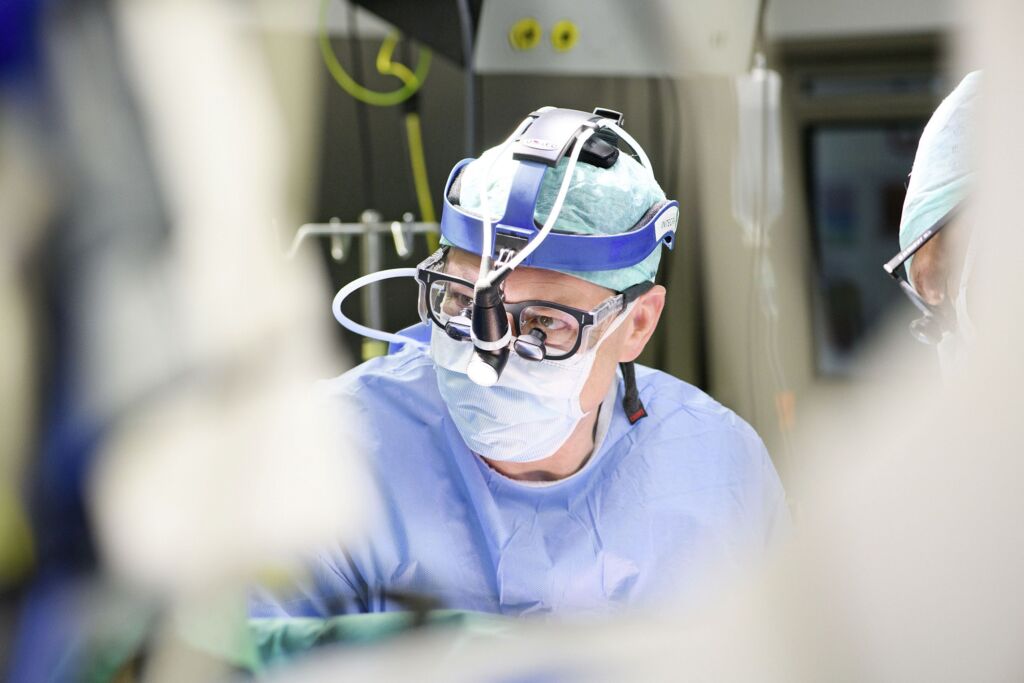
One of intensive care and altitude medicine specialist Matthias Hilty’s main areas of research is the body’s adaptation to oxygen deficiency. This process has been little researched, particularly in lung transplant patients. On his return, Hilty and his team will therefore begin analyzing the data collected from all participants on the tour. This is because information on heart and lung function, vital signs, oxygen supply and symptoms of altitude sickness was not only recorded from the transplanted participants, but the companions also provided an ideal comparison group. “The results can make a valuable contribution to a better understanding and improved care of transplant patients,” says Matthias Hilty. “But ultimately, other patients in the intensive care unit also benefit from this knowledge.”
The Transplant Center at the USZ
Organ transplants have been performed at the University Hospital Zurich for over 50 years. Heart, lung, liver, kidney, pancreas and islet transplants are performed at the transplant center, which opened in 2007. There is also a program for allogeneic and autologous stem cell transplants. There is a joint structure for optimal cooperation with the center, and the individual transplant programs are managed by organ-specific teams. Their experts treat and care for their patients before, during and after the transplant. In 2025, 237 transplants were performed at the USZ, 41 of which were lung transplants and 55 liver transplants.