Story

Unspecific symptoms – difficult diagnosis

Some autoimmune diseases have clear symptoms and show a typical course. However, if the symptoms are unspecific, comprehensive immunological diagnostics and interdisciplinary cooperation are required.

Text: Helga Kessler

Abdominal pain, blood in the stool and diarrhea are symptoms that may indicate an inflammatory bowel disease. In many cases, the diagnosis can be confirmed with a colonoscopy and a biopsy. If the typical signs and findings of the disease are present, the diagnosis of other autoimmune diseases such as type I diabetes or multiple sclerosis can usually also be made reliably. It becomes more difficult with atypical courses, ambiguous findings or if several organs are affected and the symptoms are also unspecific. Fatigue, fever, weight loss, aching limbs can be signs of sarcoidosis or systemic lupus erythematosus, but they could also be the result of an infection or a tumor.

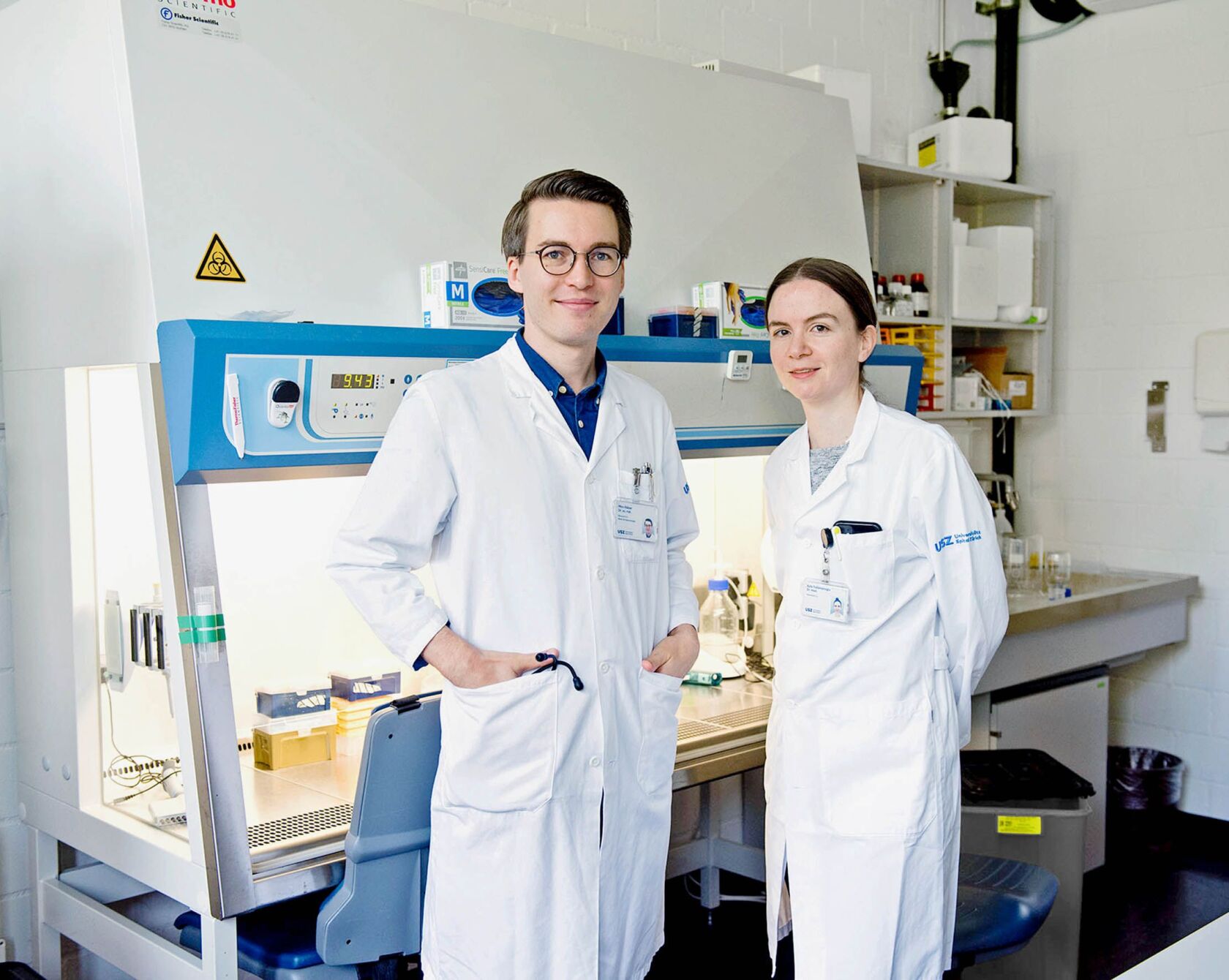
How do you arrive at a clear diagnosis in such cases? “We often approach this by first ruling out common diseases,” says Ayla Yalamanoglu, senior physician at the Department of Immunology, which specializes in the diagnosis and treatment of systemic autoimmune diseases. “We create an overall picture by taking into account the previous findings, the previous course and the current symptoms and initiate further clarifications accordingly.” As the symptoms often manifest themselves in several organs, interdisciplinary collaboration at the USZ Immunoboard is an important part of arriving at a diagnosis.

Sarcoidosis is a multisystemic disease, which means that several organs can be affected at the same time. The cause is still unknown. However, it is suspected that an as yet unknown antigen activates the immune system and leads to inflammation: This leads to the formation of granulomas, a nest of inflammatory cells that attempts to eliminate the antigen. Healing usually takes place spontaneously, but chronic courses can also occur. The most commonly affected organ in sarcoidosis is the lung, but practically any organ can be affected, including the heart, central nervous system and eyes. Inflammatory values typical of sarcoidosis can often be detected in the blood. In order to make a definitive diagnosis, an attempt is made to detect the typical granulomas in the tissue by means of a biopsy. After diagnosis, individualized immunosuppressive therapy and regular follow-up checks are carried out to assess the response.

Systemic lupus erythematosus: specific autoantibodies

In systemic lupus erythematosus, characteristic skin changes on the face, known as butterfly exanthema, can occur in addition to the rather unspecific symptoms such as chronic fatigue and joint pain. The definitive diagnosis is made by detecting specific autoantibodies in the blood. “We can typically detect so-called antinuclear autoantibodies and double-stranded DNA in lupus,” says senior physician Miro Räber. Because this and other antinuclear antibodies are directed against the nucleus of cells, many organs can be damaged. The symptoms are correspondingly varied. In general, autoantibodies form when the immune system mistakenly recognizes an endogenous molecule as foreign and initiates a targeted immune response. Some autoantibodies are very specific for certain diseases, such as the double-stranded DNA autoantibody in lupus or the CCP autoantibody in the joint disease rheumatoid arthritis. Other autoantibodies are rather unspecific and, like antinuclear antibodies, can be detected in various autoimmune diseases. “This often makes it difficult to interpret the findings, and direct communication with the diagnostics laboratory helps us here,” says Miro Räber.

Responsible Department