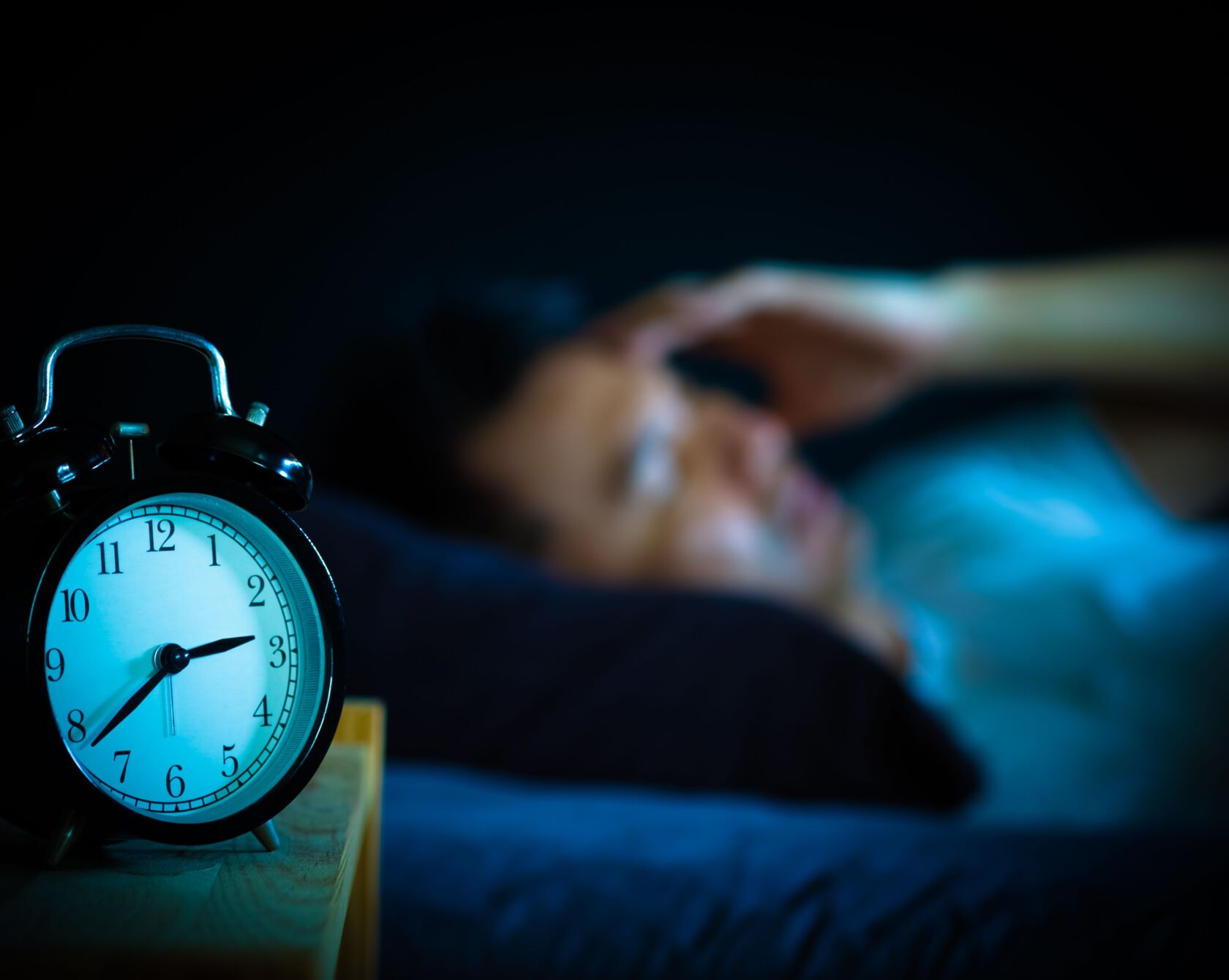
Sleep disorders are common and sometimes dangerous: they can make us ill and increase the risk of accidents. One example is breathing pauses at night with daytime sleepiness (sleep apnea syndrome).
We spend a third of our lives asleep. Our body only works when it can recover. During sleep, wounds heal, harmful cells are broken down, muscles regenerate and the brain processes experiences. In short: we sleep to be healthy. Sleep disorders can be serious. People who sleep poorly are less productive during the day and risk becoming ill. The risk of causing a traffic accident due to microsleep also increases.
Tips for a restful sleep
Almost one in three people suffers from sleep problems. The reasons vary. “If you want to sleep better, the first thing you should do is pay attention to your sleep hygiene,” advises Nikos Kastrinidis, senior physician at the Clinic for Ear, Nose, Throat and Facial Surgery at the USZ. This includes a quiet, dark and rather cool bedroom. Exercise and daylight during the day and regular bedtimes in the evening are also beneficial. You should avoid rich evening meals, nicotine and too much alcohol. Sometimes stress, psychological problems, pain or medication are behind the nocturnal restlessness. Work and leisure should therefore be clearly separated – the bedroom should not also be an office. Relaxation exercises such as breathing techniques, yoga or calming music can also help. Otherwise, a psychiatrist should be consulted.
From difficulty falling asleep to breathing problems
Sleep disorders come in many forms: In addition to problems falling asleep and sleeping through the night, these include breathing disorders or nocturnal movement of the legs (“restless legs”). A disrupted day/night rhythm (jet lag, shift work) also jeopardizes recovery. Some people are sleepy during the day despite restful nights (“hypersomnia”). Others sleepwalk, talk or grind their teeth – which may not disturb their sleep, but can cause other problems.
Sleep apnea: more than just snoring
Simple snoring does not normally affect the quality of sleep of those affected and does not necessarily need to be treated, says USZ expert Kastrinidis. However, if, in addition to snoring, breathing pauses (apneas) occur with a drop in oxygen in the blood, sleep can become pathologically fractionated, i.e. interrupted. This is known as obstructive sleep apnea syndrome (OSAS). The consequences become apparent during the day. “Anyone who suffers from noticeable daytime sleepiness in addition to snoring should have a check-up,” says Kastrinidis.
The syndrome is relatively common: every 7th man and every 20th woman is affected. One of the most important known risk factors is obesity. Treatment is possible. As a rule, a face mask is recommended first. This ensures better ventilation and additional oxygen during the night (CPAP therapy). If this is not tolerated, an individualized jaw splint, which is worn at night, can be tried. Depending on the case, surgery may also be an option. On the one hand, surgery on the tonsils and the soft palate, and on the other hand, surgery on the jaw can bring healing. “Thanks to digital support, jaw surgery is safer and more tolerable than ever before,” says Thomas Gander, Head Physician at the Department of Oral and Maxillofacial Surgery at the USZ.
Interdisciplinary sleep medicine at the USZ
Anyone suffering from sleep disorders can get to the bottom of them at the Sleep Medicine Center of the USZ. Pulmonologists, neurologists and psychiatrists offer a joint sleep consultation as well as further investigations and treatments. The special consultation hours of the Clinic for Ear, Nose, Throat and Facial Surgery are available specifically for sleep apnea and snoring as well as for surgical procedures on the palate, adenoids and base of the tongue; for the alternative therapy options of splints and jaw surgery, there is the Clinic for Oral and Maxillofacial Surgery.
To the sleep consultation