Procedure
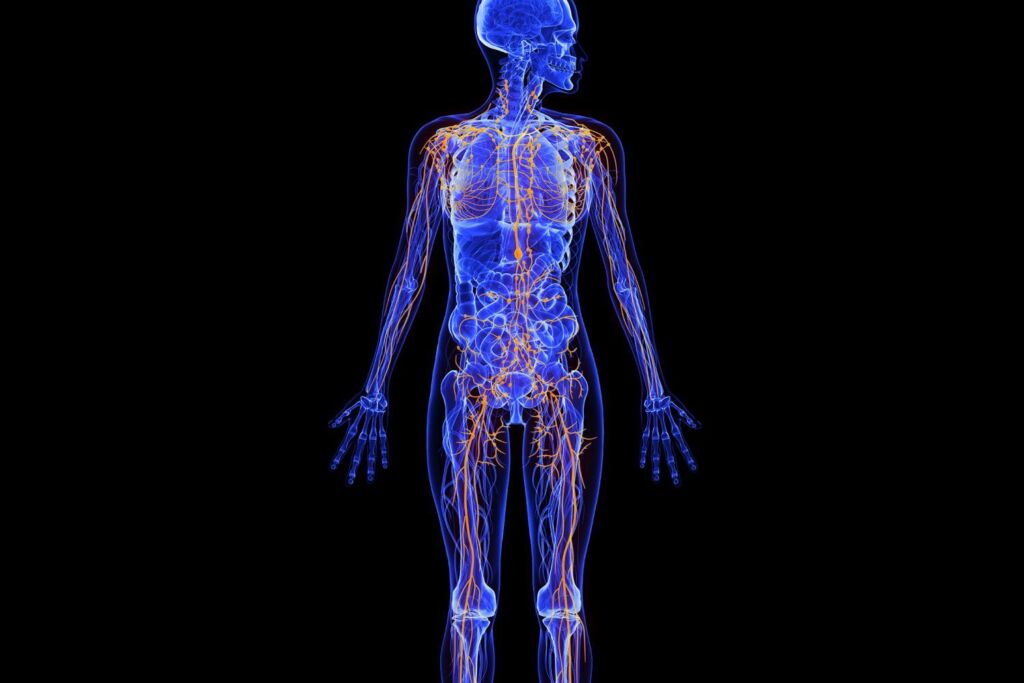
The lymph is absorbed into the lymphatic system by the finest capillaries in the body and transported into the venous system via the central lymphatic system and the thoracic duct. The thoracic duct, also known as the thoracic duct, is the largest lymphatic duct in the human body. The thoracic duct begins in the abdominal cavity as the cisterna chyli and then runs through the diaphragm along the spine until it opens into the left venous angle, where it merges with the venous blood. It plays an important role in the immune system by transporting lymph, which is rich in immune cells, back into the blood and thus helps to fight infections. It also supports the detoxification and fluid balance of the body and transports proteins and fats from the digestive system into the blood.
Lymphedema
The primary therapy for lymph fluid congestion in the tissue is always complex decongestion therapy using lymph drainage, compressive wrapping and compression stockings. If there is no improvement, surgical therapy can be evaluated.
Lymphatic surgery includes microsurgical reconstructive procedures (lympho-venous anastomoses, vascularized lymphatic tissue transfer, etc.) and tissue-reducing procedures (liposuction, tissue reduction). A distinction is also made between the treatment of peripheral lymphatic diseases (e.g. lymphoedema of the extremities or head, etc.) and central lymphatic diseases (congenital and acquired central lymphatic drainage disorders, chylothorax, chylopericardium, chylascites, protein-losing enteropathy, etc.).
More information on lymphoedema
Disorders of the central lymphatic drainage system
Central lymphatic surgery deals with the treatment of disorders of the central lymphatic drainage deep inside the body. This can lead to persistent leakage of lymph fluid into various body cavities (lung cavity (pleura), abdominal cavity (peritoneum), pericardium, etc.) or to drainage disorders and the development of protein loss (protein-losing enteropathy, bronchitis plastica, etc.) or peripheral lymphoedema, particularly in the lower half of the body.
More information on central lymphatic drainage disorders
Reconstructive lymphatic surgery for head and neck lymphoedema
We also offer reconstructive lymphatic surgery for head and neck lymphoedema. This innovative treatment method, which includes micro, super-micro and robotic techniques, can be an option for treating persistent swelling of the face or neck, e.g. after tumor surgery, radiation, accidents or infections. It enables precise reconstruction of the lymphatic system in order to offer patients an improvement in quality of life and a reduction in symptoms. Techniques used include the creation of lympho-venous anastomoses and the transplantation of lymphatic tissue. This means that even pronounced scars, especially in the neck area, can be treated.
Robotic-assisted lymphatic surgery
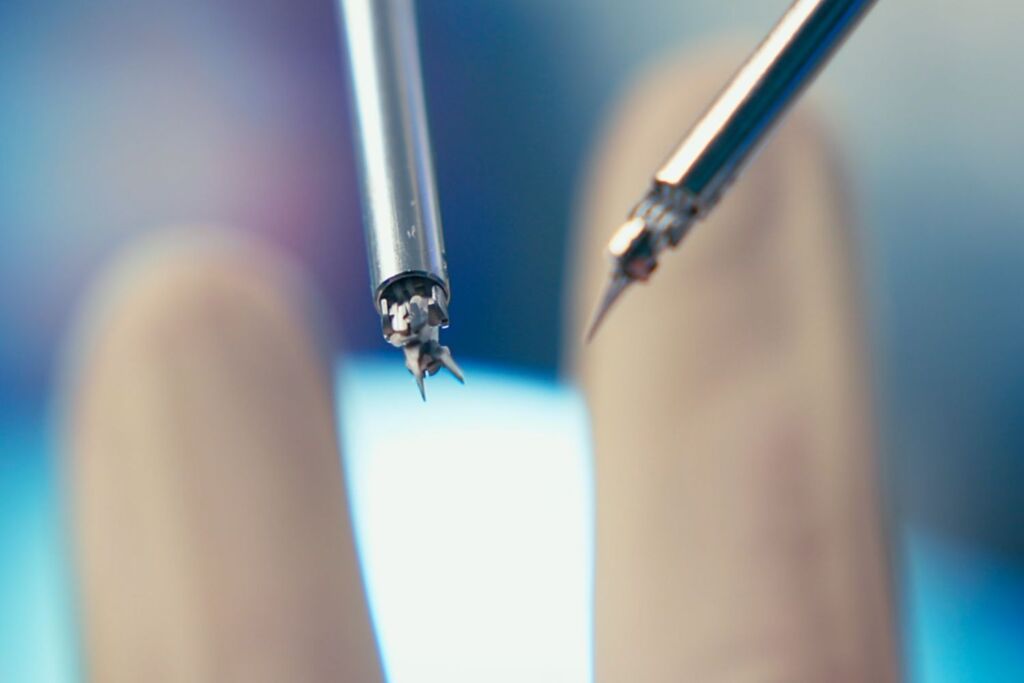
Microsurgery and supermicrosurgery have been enabling high-precision microsurgical procedures on the peripheral lymphatic system for a decade. In robotic-assisted microsurgery and supermicrosurgery, robotic arms controlled by surgeons have been used at the USZ for some years now to connect even finer vessels and also to operate more effectively in depth on the central lymphatic system.