What is bronchial asthma?
Bronchial asthma is a chronic inflammatory disease of the airways. This means that the airways react very sensitively to different stimuli by contracting and constricting. In addition, the mucous membranes in the bronchial tubes swell and can develop thick mucus. The respiratory muscles cramp, resulting in acute respiratory distress. Although the term bronchial asthma is the medically correct technical term, the disease is often referred to simply as asthma in common parlance, although the same clinical picture is meant.
Bronchial asthma should not be confused with “cardiac asthma”, in which fluid accumulates in the lungs due to weakness of the left ventricle.

Frequency: Bronchial asthma is widespread in Switzerland
The incidence of bronchial asthma varies from country to country. It is highest in Sweden, England and the Netherlands, with a frequency of between 15 percent and 20 percent. Bronchial asthma is also widespread in Switzerland: Every tenth child and every 14th adult suffers from it. Allergic asthma is more common in children, whereas non-allergic causes are more likely in adults.
Causes and risk factors of asthma
The causes of bronchial asthma are divided into two large groups: Allergic asthma and non-allergic asthma.
Allergic asthma
Allergic bronchial asthma, also known as extrinsic asthma, is an allergic reaction to certain substances in the environment (allergens) that are not normally harmful. These allergens include, for example
Certain foods can also trigger allergic bronchial asthma; however, this is usually accompanied by other symptoms such as itching in the mouth, runny nose, conjunctival irritation and/or urticaria , for example:
- Seafood
- Nuts
- Peanuts, soy and other legumes
Finally, medication can also trigger asthma symptoms – painkillers such as acetylsalicylic acid and other painkillers are primarily responsible for this.
It is also known that the hypersensitivity of the airways in allergic asthma is hereditary. If one parent suffers from allergies, 30 to 40 percent of children are also affected. If both parents are allergic, their children have a 60 to 80 percent risk of also developing allergies.
Non-allergic asthma
Non-allergic asthma, also known as intrinsic asthma, usually begins after the age of 40. In this form of asthma, the sinuses and nose are typically chronically inflamed(chronic rhinosinusitis). Severe forms are often found.
Symptoms of asthma
Typically, bronchial asthma manifests itself with asthma attacks following contact with an allergen or irritant. If there are only a few minutes between contact and seizure, experts speak of an immediate-type reaction. If several hours pass before the affected person has asthmatic symptoms, this is considered a late reaction.
The hypersensitive reaction of the airways is caused by a combination of thick mucus, narrowing of the airways and cramping of the respiratory muscles. This causes seizures with the following possible characteristics:
- Sudden, severe shortness of breath with a whistling sound when exhaling
- Tightness in the chest and fear of suffocation
- Acceleration of breathing and heart rate
- Persistent cough with thick sputum
- Bluish lips and face due to lack of oxygen and cold sweat
An asthma attack can last seconds or several hours. If the asthma attack lasts for days, experts speak of a “status asthmaticus”.
Diagnosis of bronchial asthma
The diagnosis of bronchial asthma requires a careful and comprehensive examination in order to precisely determine the individual triggers and the extent of the disease. Through a combination of medical history, physical examination and specific tests, we can identify the characteristic features of this chronic respiratory disease and make an informed diagnosis.
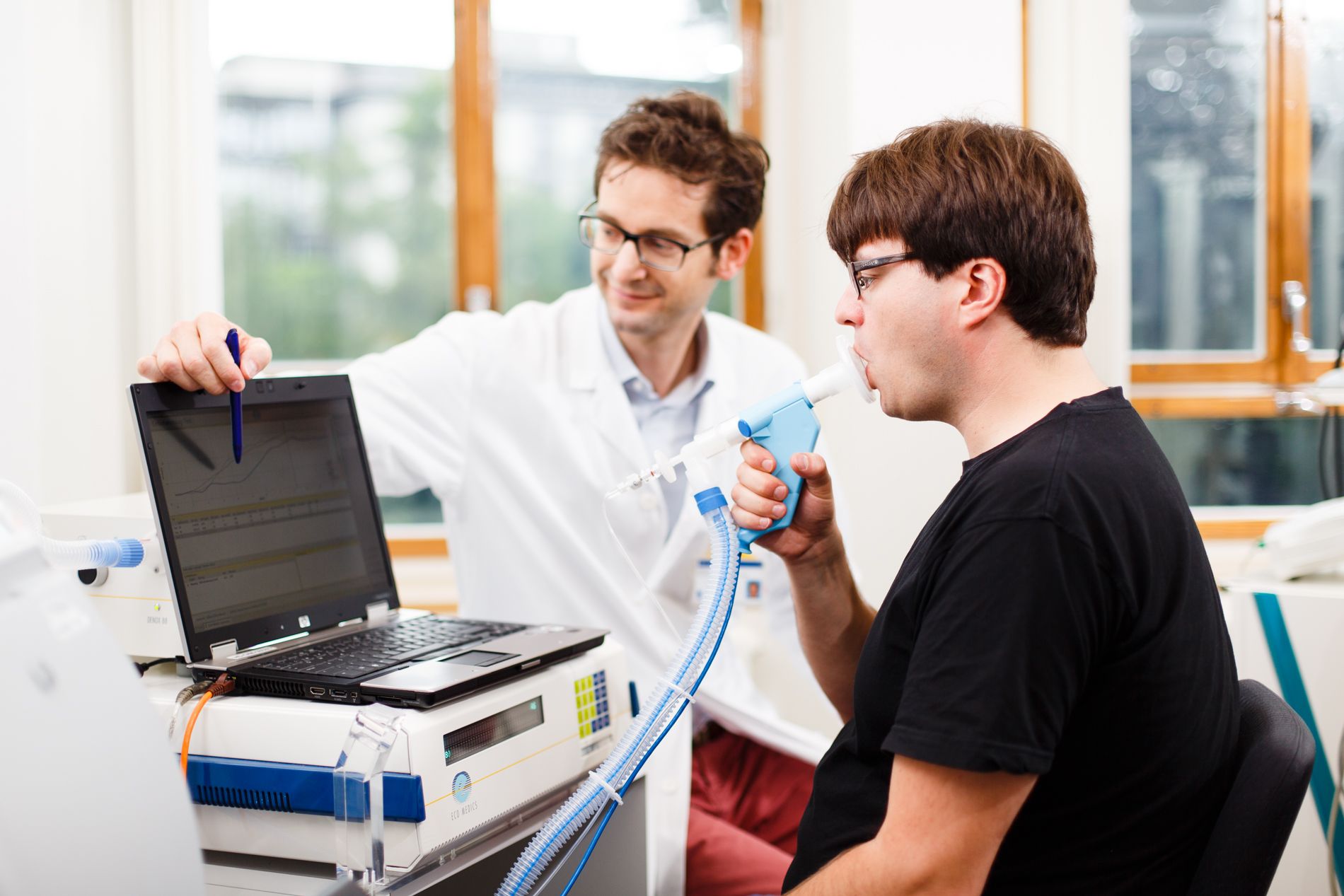
Skin tests, lung function tests and provocation tests
The first step is to take a detailed medical history. Most people affected complain of acute attacks of breathlessness. We will ask you when, where and how exactly the seizures occurred. We also try to establish a connection with a possible allergen. The diseases in your family are also interesting. We will want to know if there are any family members with a diagnosis of bronchial asthma or allergic diseases.
We will listen to your lungs and initiate further examinations, for example:
- Lung function test such as spirometry: Spirometry is the measurement and recording of respiratory volume and airflow velocities to assess lung function. You simply breathe in and out via a mouthpiece-tube system.
- Special blood tests: These can be used, for example, to detect elevated antibody titres to allergens in the blood.
- Skin tests: They help to find the triggering allergen.
- FENO test: This is a determination of nitrogen monoxide in exhaled air. This provides valuable information about the inflammatory state of the lungs. FENO is the abbreviation for fractionated exhaled nitric oxide (NO).
- Bronchoprovocation test with metacholine
- X-ray examination of the lungs
- Computer tomography (CT) of the lungs: CT allows the airways and changes in the lung parenchyma to be visualized.
- Magnetic resonance imaging (MRI ) of the lungs: MRI allows the measurement of regional oxygen exchange (OE-MR, oxygen-enhanced MR) and thus provides direct indications of how severely certain areas of the lungs are affected.
The peak flow meter for self-testing
The peak flow meter is a simple but effective diagnostic tool that helps patients with bronchial asthma to self-monitor their airway function. It measures the maximum expiratory rate, the so-called peak expiratory flow (PEF), and helps to detect changes in airway obstruction at an early stage.
Daily measurements allow patients to monitor their lung function independently and identify potential deterioration. Low PEF values indicate a narrowing of the airways and can be a warning sign of impending asthma attacks. This self-testing enables rapid adaptation of the therapy and contributes to better control of the disease.
Differential diagnosis: asthma and similar clinical pictures
When diagnosing bronchial asthma, it is important to differentiate the disease from other respiratory diseases and conditions that may have similar symptoms. These include:
- Chronic obstructive pulmonary disease(COPD): In contrast to asthma, which is often caused by allergies and has reversible airway obstructions, COPD is usually characterized by irreversible damage and a progressive deterioration in lung function. Smoking is a major trigger for COPD.
- Bronchitis: Acute bronchitis is a temporary inflammation of the bronchial tubes, often caused by infections, and differs from the chronic inflammation of asthma. Chronic bronchitis, a part of COPD, also shows differences in pathophysiology.
- Heart failure: This can cause shortness of breath that is not caused by airway obstruction but by reduced cardiac output. A careful cardiological examination is necessary to rule out heart problems.
- Interstitial lung diseases: This group of diseases affects the lung tissue and can also cause shortness of breath, but with different pathological mechanisms than asthma.
- Heartburn (gastroesophageal reflux disease): Heartburn can cause breathing difficulties, especially at night when stomach acid enters the esophagus and possibly the airways, causing irritation.
- Psychologically induced accelerated breathing (hyperventilation): This can be triggered by stress or anxiety and results in rapid breathing that is not caused by physical airway obstruction.
- Cystic fibrosis: A genetic condition that leads to a build-up of thick mucus in the airways, causing breathing difficulties. However, the symptoms and course differ significantly from asthma.
- Pneumonia (pneumonia): An infection of the lungs that leads to fever, coughing and shortness of breath. The acute nature and infectious cause distinguish it from asthma.
- Fluid or foreign bodies in the airways: These can cause sudden shortness of breath and require immediate medical intervention to clear the airways.
Prevention, early detection, prognosis: avoid triggers!
If you suffer from bronchial asthma, you can protect yourself from new asthma attacks by avoiding the triggers. Depending on what triggers the disease, the following measures are helpful:
- Do not smoke and keep your distance from smokers.
- Avoid spending time outdoors during the pollen season.
- Inflammation of the airways must be diagnosed and treated in good time.
- If you are allergic to animal hair, it is advisable not to keep pets.
- Consistently avoid foods that cause allergic asthma.
- Use allergen-free mattresses and comforters if you are allergic to house dust.
- Ensure the right humidity in a room because dry air irritates the airways.
- Drink plenty of water to help clear the mucus in the bronchial tubes.
- Avoid antibiotics and painkillers that trigger allergies.
- In the case of respiratory allergies, hyposensitization (immunotherapy) may be useful under certain circumstances.
In the event of an asthma attack, you should carry emergency medicine and emergency documents with you. We will equip you accordingly.
Progression and prognosis: good with the right treatment
Timely and personalized treatment is important for the course and prognosis of the disease. Children with allergic asthma who are treated correctly have a chance of being free of symptoms in childhood and adulthood. Without therapy, asthmatic crises damage the airways in the long term and impair the lungs’ ability to function. If bronchial asthma is not treated correctly, the lungs can suffer a lasting loss of function in the long term.
Details of the treatments
FAQ on the subject of asthma
There is currently no cure for bronchial asthma, but it can be treated well. With the right drug therapy and an adapted lifestyle, the vast majority of those affected can lead a life with few symptoms. In children, asthma can also regress in the course of puberty.
There are many triggers for asthma. Common triggers are allergens (e.g. pollen, house dust mites, animal dander), respiratory tract infections, physical exertion, cold air, pollutants or stress. Every person reacts individually to certain stimuli.
Early signs of asthma are a dry cough, especially at night or early in the morning, shortness of breath on exertion, wheezing and a tight feeling in the chest. These symptoms may occur irregularly at first.
Allergic asthma usually occurs seasonally or in certain environments – for example in contact with pollen, animal hair or house dust. The symptoms are similar to classic asthma: coughing, shortness of breath, wheezing. Often there is also hay fever, itchy eyes or skin reactions.
In the case of allergic asthma, the blood count may show increased eosinophils (a subtype of white blood cells) and an increased immunoglobulin E (total IgE value). These values indicate a generally increased tendency to allergic diseases. Further blood tests can be used to specifically detect sensitization to certain triggers.
Asthma can develop at any age, but often begins in childhood. Allergic asthma in particular often manifests itself as early as preschool or primary school age. In adults, asthma occurs less frequently for the first time, usually as a non-allergic form.
An asthma attack becomes an emergency if the breathlessness is severe, speech is only possible in short sentences, lips or fingernails turn blue or emergency medication does not provide any relief. In such cases, the emergency number (144) should be called immediately.
Fast-acting bronchodilators help to calm acute symptoms. Sitting quietly, breathing slowly and fresh air can also have a supportive effect. In the long term, individually adapted asthma therapy, regular check-ups with the doctor and respiratory physiotherapy or sports such as swimming can help.