Bachelor, Master and Doctoral Thesis
The group offers Bachelor, Master and Doctoral thesis with a basic and clinically research focus.
The Weber laboratory aims to address pathology-relevant topics by integrating morphological and molecular analyses. The projects include basic as well as clinico-pathologic questions, with our main interest being diseases of the liver and gastrointestinal tract, including tumor development in organs.
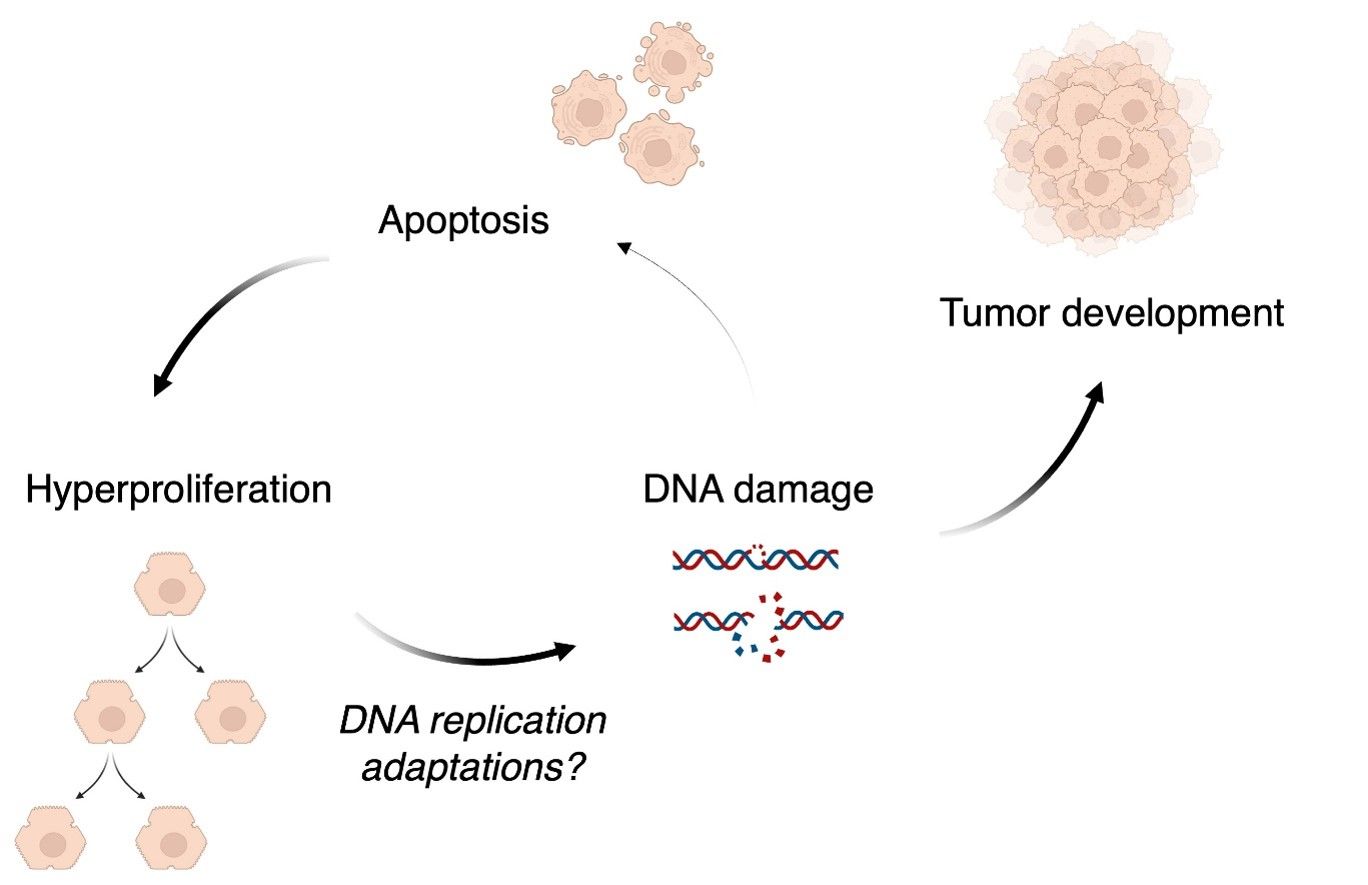
We aim to better understand an observation already described more than 150 years ago by Rudolf Virchow, namely that cancer develops more frequently in chronically inflamed tissues. By genetic modification of mice, we recapitulated in vivo the situation of elevated levels of hepatocellular apoptosis constantly present in chronic liver diseases [Weber A et al. 2010, Hepatology]. Thus, we demonstrated that both chronic liver disease in humans and hepatocyte apoptosis-prone mice have in common a pathophysiology. This pathophysiology is characterized by persistently increased cell death and concomitant increased regenerative activity. It finally leads to replication stress and, via genetic instability, quantitatively to carcinogenesis, in this case hepatocellular carcinoma (HCC) [Boege Y et al., 2017, Cancer Cell]. We were also able to describe this pathophysiology in a model of apoptotic colonopathy and colorectal cancer development [Healy M et al., 2020, Gastroenterology]. Recently, we unraveled the role of micronuclei and micronuclei-derived eccDNA in orchestrating HCC development [Chan LK et al., 2025, Science Advances]. Taken together, our in vivo results cast a new perspective on carcinogenesis as a stochastic event driven by replication stress.
In an ongoing collaborative project with the Lopes lab (IMCR; UZH), we aim to unravel the adaptations and challenges to the DNA replication process during chronic liver proliferation as well as their impact in DNA damage accumulation and tumor onset. To this end, we are comparing the replication program and DNA damage signaling/accumulation in the liver from mouse models of different physiological and pathological proliferation contexts.
In a comprehensive analysis of human HCC, we demonstrated that even in the therapy-naïve state HCC already exhibit a high degree of intratumor heterogeneity in terms of morphology, immunophenotype and on the molecular level [Friemel J et. al, Clinical Cancer Research]. This finding was important for understanding the limitations of any molecular-based classification proposal and therapeutic approaches for HCC. For fatty liver-driven HCC, a preclinical mouse model was developed in our group from which we derived insights into the key immune cells involved [Wolf M et al., 2014, Cancer Cell]. This model subsequently formed the basis for the discovery of interventional strategies by platelet inhibitory agents [Malehmir M et al., 2019, Nature Medicine].
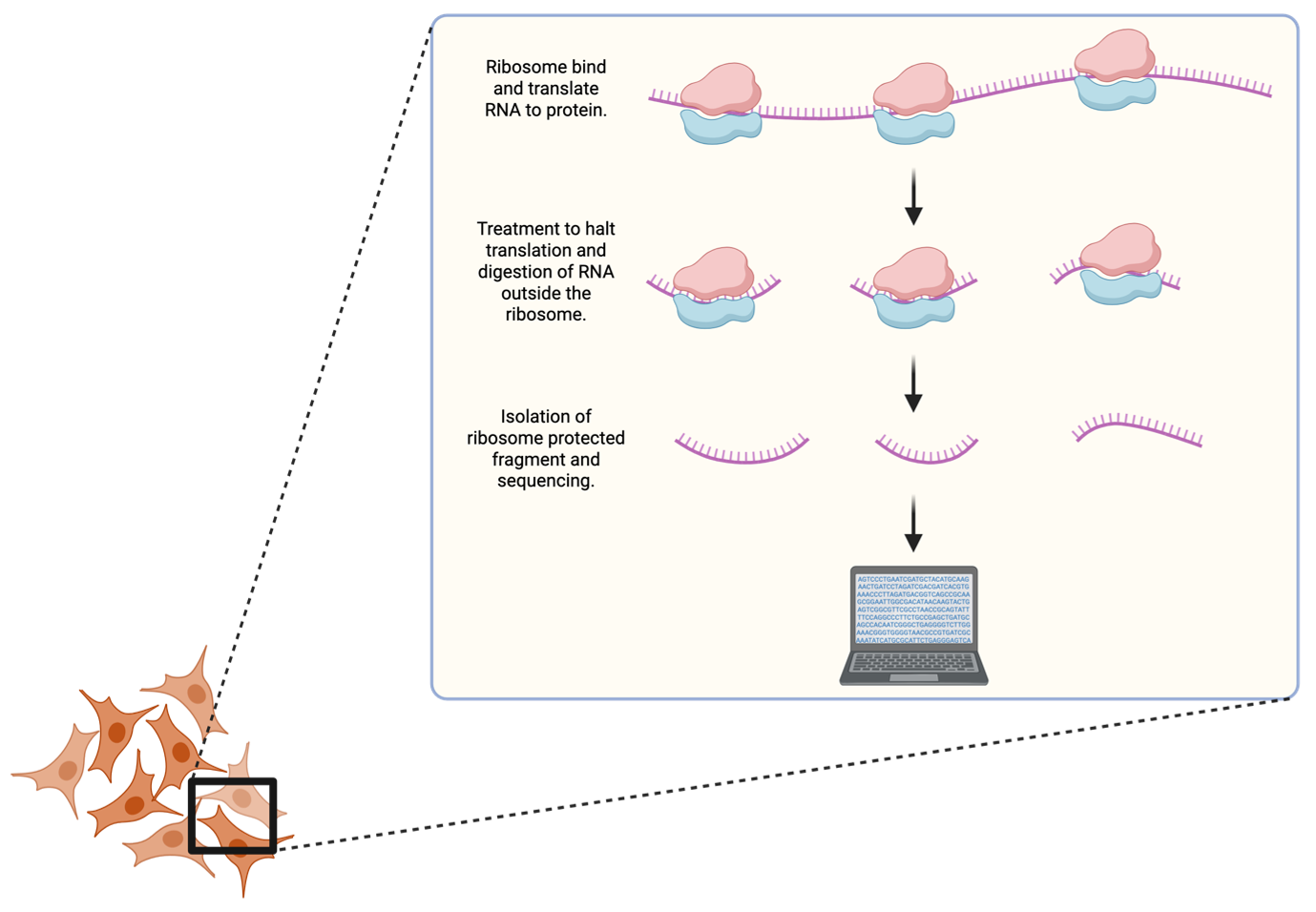
Currently, we aim at characterizing the role of microproteins, a unique class of under-explored proteins, encoded by non-canonical open reading frame (ncORF), in liver cancer development. The goal of the project is to identify previously uncharacterized microproteins expressed in hepatocytes derived from ncORFs and to integrate genomic, proteomic and functional analysis to uncover their contribution to cancer biology.
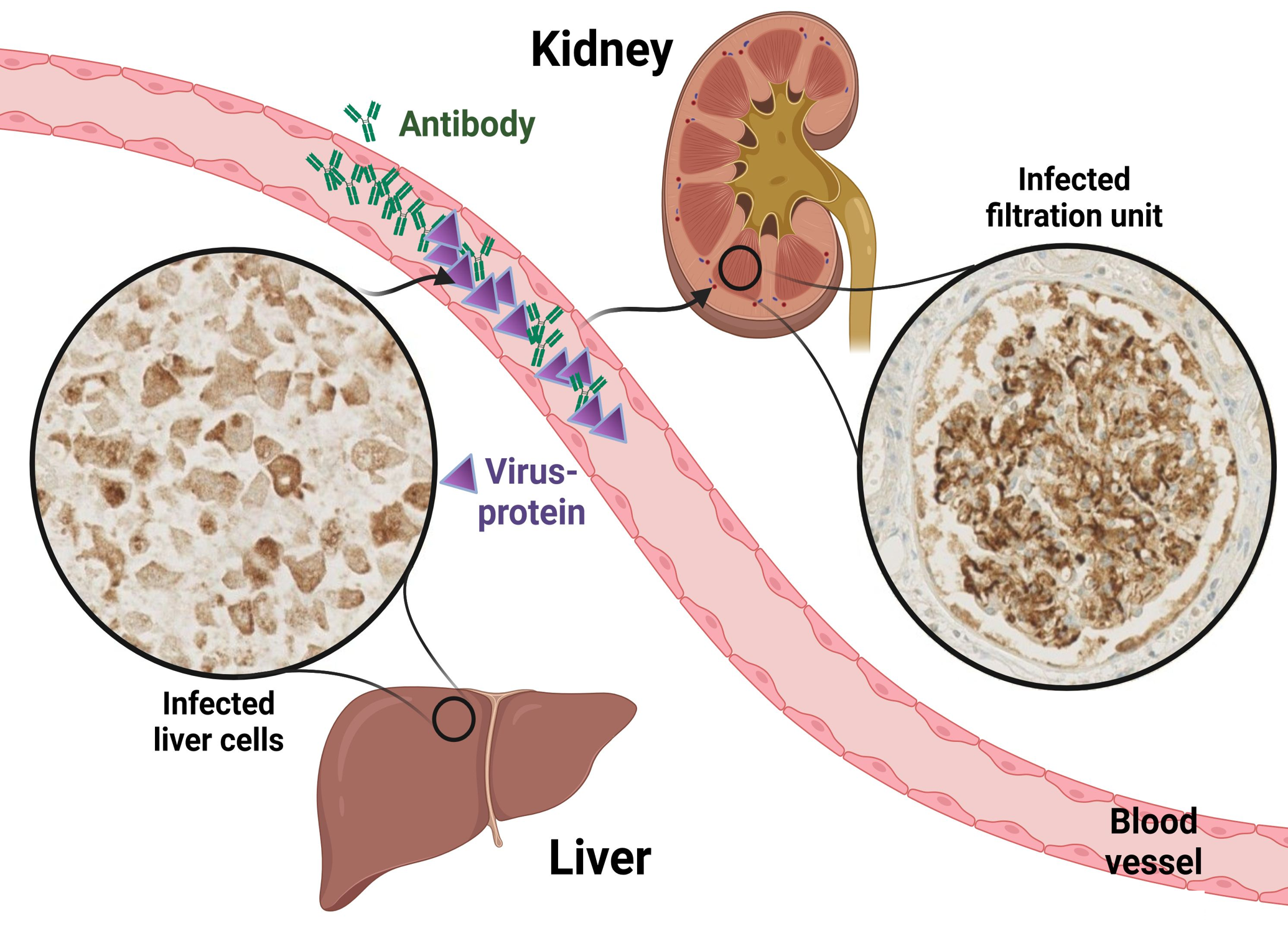
The group has decisively expanded our knowledge of hepatitis E. First, we have succeeded in localizing hepatitis E virus (HEV) RNA and proteins in human liver for the first time. This has led to a better understanding of hepatitis E, from which a powerful diagnostic tool, HEV ORF2 immunohistochemistry, could also be derived [Lenggenhager D, Gouttenoire J et al., 2017 Journal of Hepatology]. Furthermore, we were able to show what determines the extremely variable and thus diagnostically very challenging histological presentation of hepatitis E [Lenggenhager D et al., 2020, Modern Pathology]. Recently, we have elucidated a mechanism by which HEV capsid protein mediates extrahepatic, in this case renal, disease [Leblond AL, Helmchen B et al., 2024, Nature Communication]. These findings were made possible not at least by a large tissue collection of hepatitis E cases that we built up over the last few years. We aim to take advantage of this unique cohort for further dissecting the pathophysiology of HEV infection in the liver and beyond.
The group offers Bachelor, Master and Doctoral thesis with a basic and clinically research focus.