Heart Center Zurich
Heart – structure, function, diseases
Our heart beats around 100,000 times a day. It is the only organ that we can feel. The heart forms the center of the cardiovascular system and continuously supplies organs and tissues with blood - and thus with vital oxygen and nutrients. Cardiovascular disease remains the most common cause of death worldwide.
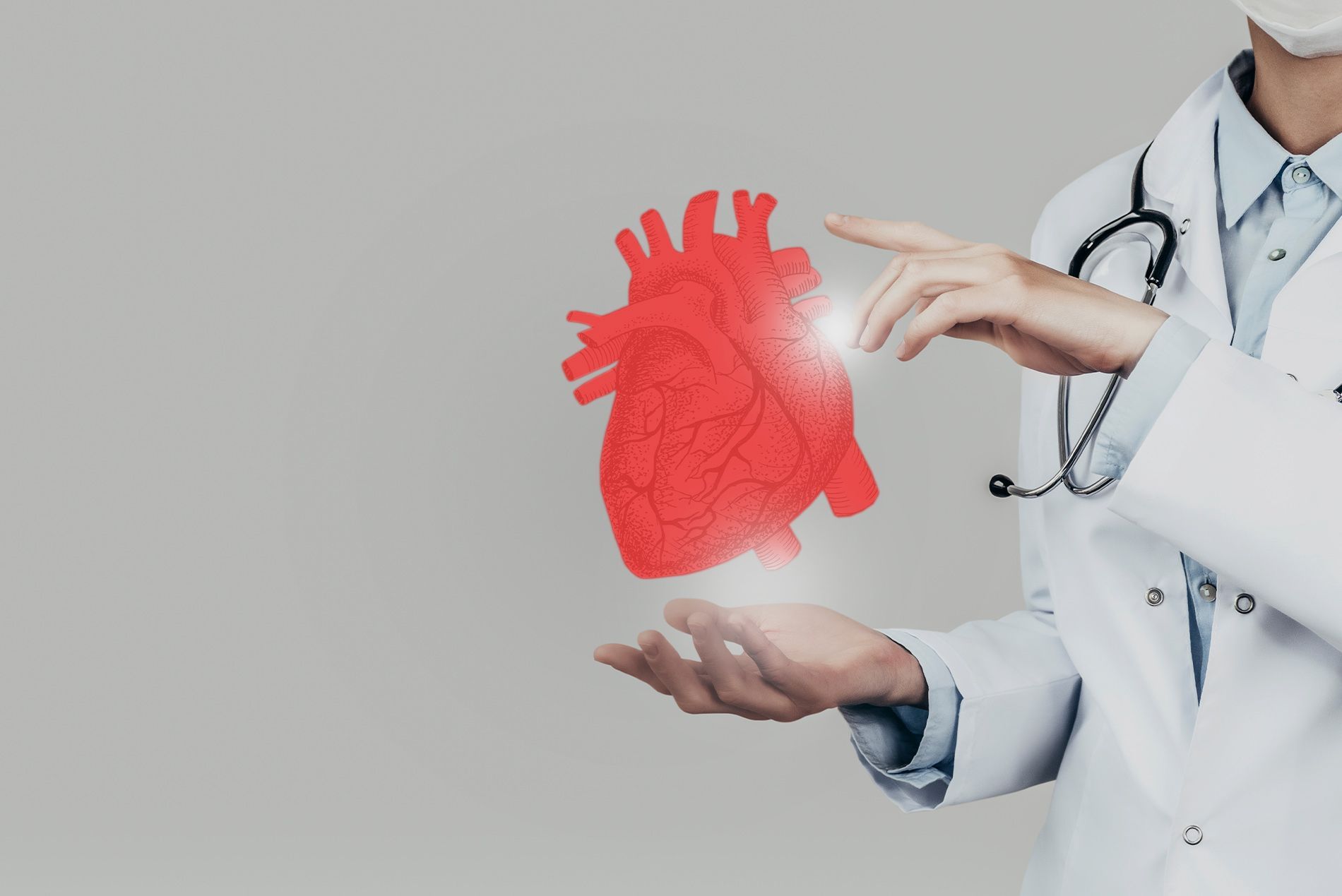
The human heart is a hollow muscular organ about the size of a fist that acts as the central pump of the cardiovascular system. It is located in the chest, slightly offset to the left, protected behind the breastbone (sternum) and embedded between the two lungs. The heart is surrounded by a protective sheath, the pericardium. This double-layered structure contains a small amount of fluid that facilitates movement and minimizes friction between the heart and surrounding tissue.
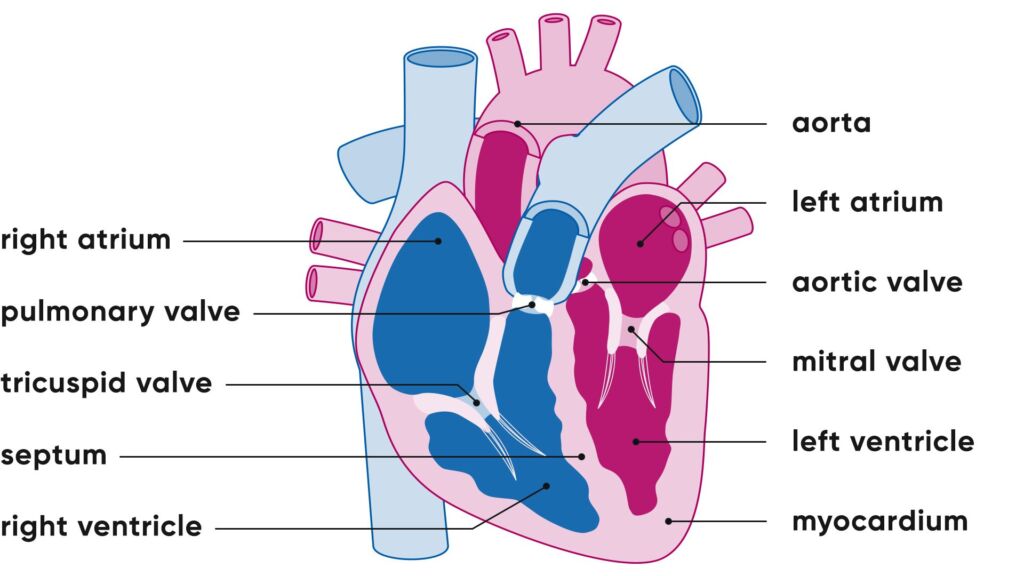
Structure of the heart
Its structure is divided into four chambers, which are separated from each other by partitions:
- Two atria (atriums): The upper, smaller chambers that receive blood from the veins.
- Two chambers of the heart (ventricles): The lower, more powerful chambers that actively pump blood into the circulatory system.
The atria act as a collection point for the incoming blood, while the ventricles do the actual pumping. To ensure that the blood always flows in the right direction, four heart valves are installed between the atria and ventricles and between the ventricles and the large arteries, which act as valves. They open when the blood needs to continue flowing and close again to prevent backflow.
- Atrioventricular valves (leaflet valves) – between the atria and ventricles:
- Tricuspid valve: between the right atrium and right ventricle
- Mitral valve (bicuspid valve): between the left atrium and left ventricle
- Pocket valves – between ventricles and large arteries:
- Pulmonary valve: between the right ventricle and pulmonary artery
- Aortic valve: between the left ventricle and the aorta
The leaflet valves prevent the blood from flowing back into the atria, while the pocket valves ensure that the blood does not flow back into the ventricles. They consist of thin connective tissue that opens and closes due to pressure differences.
The heart is separated into a right and a left half by a vertical septum. This separation is essential for the functioning of the cardiovascular system, as it prevents oxygen-rich and oxygen-poor blood from mixing.
- The right side of the heart takes the deoxygenated blood from the body and pumps it to the lungs, where it is enriched with oxygen.
- The left side of the heart receives the oxygen-rich blood from the lungs and transports it into the systemic circulation.
The heart wall consists of three layers: Endocardium (inside, lining of the heart cavities), myocardium (center, heart muscle layer for contraction) and epicardium (outside, part of the pericardium, embedding the heart vessels ). Together they form the functional structure of the heart.
In order for the heart itself to be supplied with oxygen and nutrients, it relies on its own vascular system – the coronary vessels. They originate from the aorta and run in the area of the epicardium.
- The left coronary artery primarily supplies the left half of the heart, in particular the left ventricle and the anterior region of the septum.
- The right coronary artery supplies the right half of the heart and parts of the posterior wall of the heart.
If these arteries become narrowed or blocked, the oxygen supply to the heart muscle is impaired, which can lead to reduced blood flow (ischemia) – one of the main causes of diseases such as coronary heart disease or a heart attack.
Although the heart works autonomously, it is influenced by the autonomic nervous system. The sinus node, which is located in the right atrium, serves as the heart’s natural pacemaker and generates electrical impulses that trigger the rhythmic contraction of the heart muscles. These impulses spread via the conduction system and ensure a coordinated pumping movement of the heart. The sympathetic nervous system can increase the heart rate during physical exertion, while the parasympathetic nervous system ensures that the heart rate is reduced during periods of rest.
All these structures work together perfectly so that the heart can fulfill its vital task: the continuous circulation of oxygen-rich blood throughout the body.
The heart works continuously as a powerful pump that maintains blood circulation and thus supplies the entire body with oxygen and nutrients. This pumping function takes place in a continuous circulation from two main systems: the pulmonary circulation (small circulation) and the systemic circulation (large circulation). Both circuits are closely connected and ensure an effective oxygen supply to the organs.
Each heartbeat consists of a systole (contraction phase) and a diastole (relaxation phase). During systole, the heart muscle contracts and pumps blood out of the ventricles, while in diastole the heart relaxes and fills with new blood.
Blood flows through the heart in a precisely defined sequence. First, the deoxygenated blood from the systemic circulation enters the right atrium via the superior and inferior vena cava. From there it flows through the tricuspid valve into the right ventricle, which pumps it through the pulmonary valve into the pulmonary artery. In the lungs, the blood absorbs oxygen and releases carbon dioxide before it reaches the left atrium via the pulmonary veins. It then passes through the mitral valve and is pumped by the powerful left ventricle through the aortic valve into the aorta, which distributes the blood into the systemic circulation. Accordingly, a distinction is made between the pulmonary circulation and the systemic circulation.
- Pulmonary circulation (small circulation)
- Oxygen-depleted blood is transported from the right ventricle to the lungs via the pulmonary artery.
- Gas exchange takes place in the pulmonary capillaries: carbon dioxide is released and oxygen is absorbed.
- The now oxygen-rich blood flows back into the left atrium via the pulmonary veins.
- Body circulation (large circulation)
- The oxygen-rich blood is pumped from the left ventricle through the aorta into the body.
- Organs and tissues draw oxygen and nutrients from the blood.
- The low-oxygen, carbon-dioxide-rich blood returns to the right atrium via the veins.
Every heartbeat is controlled by an electrical excitation that originates from the sinus node, the heart’s natural pacemaker. The sinus node is located in the right atrium and emits electrical impulses that are transmitted via the cardiac conduction system. These impulses spread via the AV node (atrioventricular node), the His bundle, the Tawara legs and the Purkinje fibers and ensure an orderly contraction of the heart muscle.
- The sinus node sets the rhythm and generates regular electrical impulses.
- The AV node slows down the conduction of the excitation to ensure that the atria contract before the ventricles.
- The His bundle transmits the signal to the ventricles.
- The Tawara legs branch out to distribute the impulses evenly to the left and right ventricles.
- The Purkinje fibers ensure that the ventricles contract vigorously and the blood is pumped into the large arteries.
The heart rate is regulated by the autonomic nervous system. While the sympathetic nervous system increases the heart rate to prepare the body for stress or physical activity, the parasympathetic nervous system ensures that the heart rate slows down during periods of rest. This allows the heart to flexibly adapt its performance to the body’s needs.
Through this finely tuned interplay of mechanical and electrical processes, the heart ensures a reliable blood supply and guarantees that oxygen and nutrients reach every cell in the body.
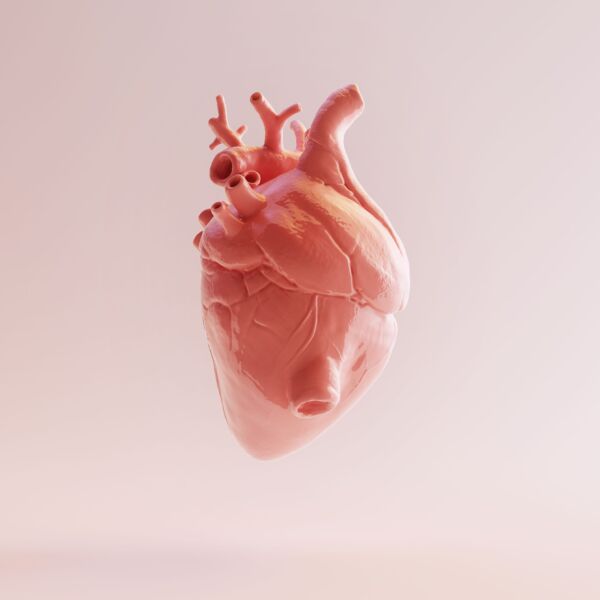
Cardiovascular diseases are the most common cause of death worldwide – more than 20,000 people die from them in Switzerland every year. Lifestyle is not the only factor influencing heart health; genetic predisposition and congenital heart disease also play a role in the development of heart disease.
All clinical pictures on the subject of the heart
Heart problems can manifest themselves in different ways: A racing pulse, a change in heart rate, pain in the chest, a decrease in performance or sudden shortness of breath. The list of symptoms of heart disease is long and can affect all parts of the heart. If you notice any signs, you should consult a doctor quickly. It is important to take heart problems seriously and to have a thorough examination to determine the cause and, if necessary, initiate the right treatment.
Good to know: Symptoms of one and the same disease can be different in men and women, but also from person to person.
What are the most common heart diseases in Switzerland?
At the USZ, we have expertise in all types of heart disease with proven specialists. Thanks to our many years of experience and interdisciplinary cooperation between cardiology and cardiac surgery, we are able to offer the best possible diagnostics and treatment. If necessary, other specialties of the USZ or the Children’s Hospital Zurich are consulted.
Expertise & innovation at the USZ on the topic of the heart
Andreas Grüntzig invented the cardiac catheter at the USZ back in 1977 and used it for the first time. Numerous people at the USZ also conduct research into the heart and its diseases. Even today, we are constantly working on innovations relating to the heart. We not only have heart specialists among our doctors, but also in nursing – with our own specialized consultation hours.
A healthy heart is the key to a long and active life. Many cardiovascular diseases are caused by controllable risk factors such as high blood pressure, high cholesterol levels, diabetes, smoking, obesity, lack of exercise and stress. Targeted prevention can help prevent the majority of heart attacks and strokes. The following measures help to reduce the risk of illness.
Healthy nutrition for a strong heart
A heart-friendly diet is essential to prevent vascular calcification (arteriosclerosis) and to regulate blood pressure and cholesterol levels. A Mediterranean diet rich in unsaturated fatty acids, fiber and antioxidants is particularly recommended.
- Plenty of fruit and vegetables: rich in vitamins, minerals and phytochemicals that protect the heart.
- Healthy fats: High-quality oils such as olive oil, avocado and nuts contain unsaturated fatty acids that have a positive effect on cholesterol levels.
- Fatty fish (e.g. salmon, mackerel): Provides omega-3 fatty acids, which have an anti-inflammatory effect and reduce the risk of heart disease.
- Wholemeal products instead of white flour: help to keep blood sugar and cholesterol levels stable.
- Reduce salt and sugar: Excessive salt consumption can increase blood pressure, while too much sugar increases the risk of diabetes and obesity.
Regular exercise keeps the heart fit
Exercise is one of the most important factors for good heart health, as it strengthens the heart, regulates blood pressure and improves blood circulation.
- At least 150 minutes of moderate exercise per week, e.g. brisk walking, cycling or swimming.
- Strength training (twice a week) to strengthen the muscles and activate the metabolism.
- Make everyday life more active: Take the stairs instead of the elevator, walk or cycle short distances.
- Anyone who already has heart problems should consult a doctor before exercising.
Quitting smoking – the best decision for your heart
Smoking is one of the biggest risk factors for heart disease as it damages blood vessels, raises blood pressure and increases the risk of arteriosclerosis. Just a few months after quitting smoking, blood circulation improves and the risk of heart attack and stroke decreases considerably.
Keeping an eye on blood pressure and cholesterol
High blood pressure (hypertension) and elevated cholesterol levels are among the most common causes of cardiovascular disease. Regular checks can help to take countermeasures at an early stage.
- Blood pressure values should ideally be below 120/80 mmHg.
- Lower LDL cholesterol (bad cholesterol) through normal weight, exercise and the dietary measures mentioned above.
- If necessary, blood pressure-lowering or cholesterol-lowering medication can help in consultation with a doctor.
Reduce stress and get enough sleep
Long-term stress can have a major impact on heart health, as it increases blood pressure and promotes inflammatory processes in the body. To protect the heart, it is important to actively reduce stress.
- Relaxation techniques such as meditation, yoga or breathing exercises help to lower the heart rate.
- Getting enough sleep (at least 7 hours a night) is essential, as a lack of sleep can increase blood pressure and the risk of heart disease.
- Maintain social contacts: Regular meetings with family and friends have a positive effect on the cardiovascular system.
Use regular preventive check-ups
Many heart diseases develop gradually and go unnoticed for a long time. Regular health checks help to identify risk factors at an early stage.
- Check blood pressure, cholesterol and blood sugar regularly.
- If you have a family history of heart disease, undergo cardiological examinations at an early stage.
- Anyone who already has pre-existing conditions should consistently adhere to the recommended check-ups.
By actively looking after your heart health and taking preventive measures, you can significantly reduce the risk of cardiovascular disease. A heart-healthy lifestyle is worthwhile – for more vitality and a long, healthy life.
How can heart and brain attacks be prevented?
If the eight controllable risk factors of hypercholesterolemia, nicotine abuse, stress, arterial hypertension, obesity, diabetes mellitus, lack of exercise and an unhealthy diet were controlled, over 90 percent of all heart and cerebral infarctions could be prevented. Secondary prophylaxis is also important after a heart attack to prevent a repeat infarction.
Responsible departments
Frequently asked questions about the heart
The heart is mainly affected by high blood pressure, smoking, lack of exercise, an unhealthy diet, stress and obesity. Chronic inflammation and high cholesterol levels can also damage the blood vessels and increase the risk of cardiovascular disease.
The cardiovascular system ensures a constant supply of oxygen and nutrients to the organs. The heart pumps deoxygenated blood into the lungs, where it is enriched with oxygen. It then returns to the heart and is pumped into the body’s circulatory system to supply tissues and organs.
Palpitations can have various causes, including stress, physical exertion, caffeine, alcohol or hormonal fluctuations. In some cases, cardiac arrhythmia or increased blood pressure may also be the cause.
Deep, slow breathing, meditation and relaxation techniques such as yoga can help to calm the nervous system and normalize the heartbeat. Reducing caffeine, alcohol and stress can also relieve the heart. If the palpitations occur frequently, you should seek medical advice.
The deoxygenated blood leaves the body via the vena cava into the right atrium and from there into the right ventricle. From there, it is pumped into the lungs via the pulmonary artery, where it absorbs oxygen. The oxygen-rich blood then flows via the pulmonary veins into the left atrium, passes through the left ventricle and is finally pumped into the systemic circulation via the aorta.
Aspirin can reduce the risk of blood clots and heart attacks in certain people, but is not recommended for everyone. In healthy people without pre-existing conditions, regular intake can even be harmful. A medical consultation is therefore necessary before taking aspirin for prevention.
Yes, women’s hearts are on average smaller than men’s and often beat a little faster at rest. Women also have narrower coronary arteries, which means that heart disease is often more difficult to diagnose in them. Symptoms of a heart attack in women can differ from those in men.
A normal resting heart rate for adults is between 60 and 80 beats per minute. In trained athletes, however, it can also be below 50 beats per minute, while stress or exertion can increase the pulse for a short time. A permanently elevated or very low pulse rate should be checked by a doctor.
Typical signs of heart problems are chest pain, shortness of breath, palpitations, severe tiredness, dizziness or water retention in the legs. Nonspecific symptoms such as nausea or pain in the upper abdomen can also indicate heart disease, especially in women.
Heart attacks, sudden cardiac death, severe cardiac arrhythmia and heart failure are particularly dangerous. Untreated coronary heart disease can also lead to life-threatening complications in the long term. Early diagnosis and treatment are crucial.