Although malignant melanoma is one of the most aggressive types of skin cancer, in most cases it can be completely surgically removed and cured if it is detected early. Only if metastases have already spread in the body or there is an increased risk of relapse are additional drug therapies used. It is precisely in situations like these that new treatment approaches have led to significant progress in recent years and improved the prognosis for many patients.
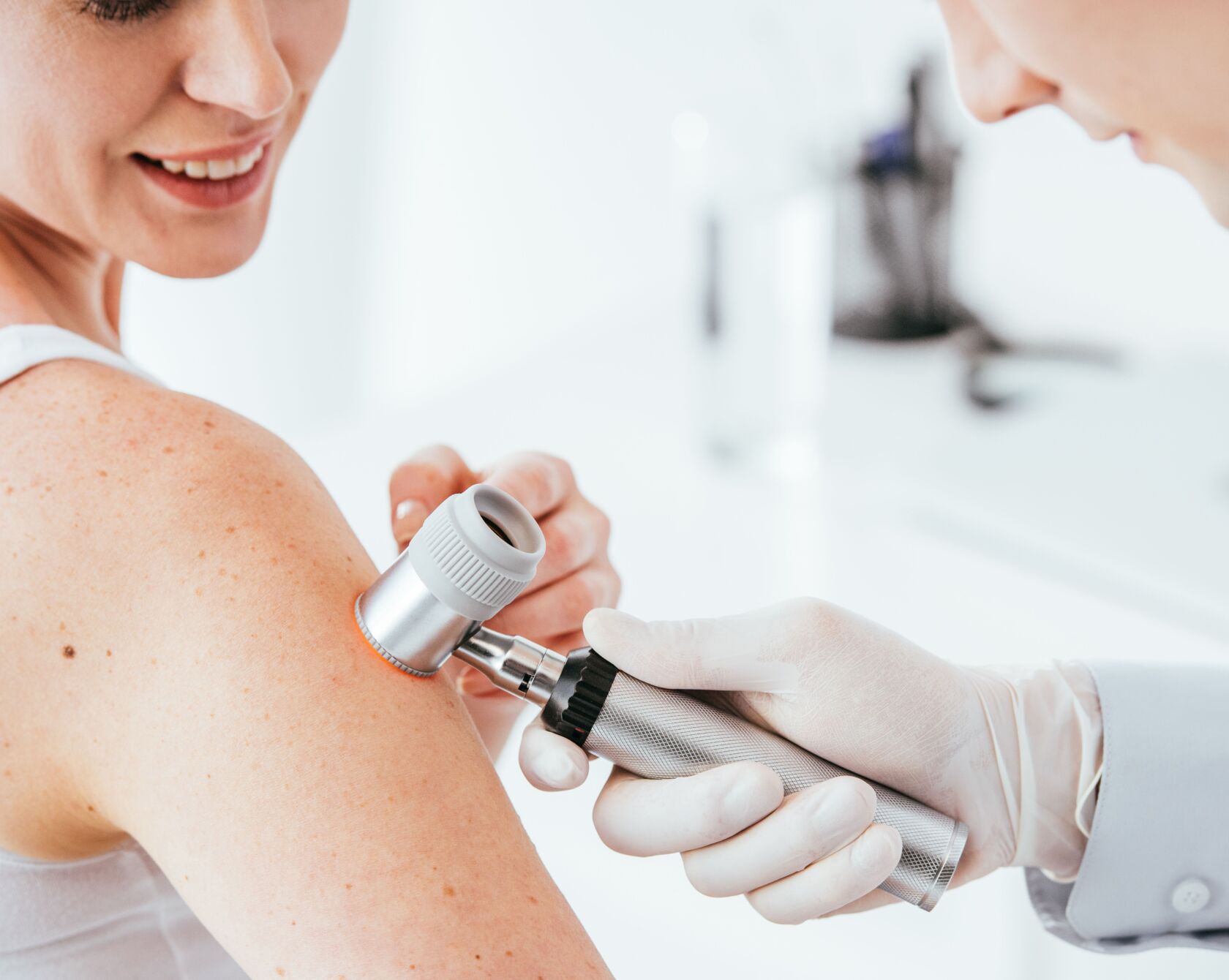
In most cases, melanoma(black skin cancer) is detected in good time and can be completely removed surgically. Regular skin checks and early detection are therefore crucial. However, even after a successful operation, there may be an increased risk of the disease returning in certain situations. Experts then speak of a high-risk melanoma.
Adjuvant therapies to prevent a relapse
High-risk melanomas are melanomas in which lymph nodes are already affected or there is an increased risk of hidden tumor cells (so-called micrometastases). These micrometastases are often not visible, but can lead to a relapse later on.
After successful surgery, additional treatments are recommended (adjuvant therapies) with the aim of preventing the cancer from returning. For example, with immunotherapies, which use highly effective drugs that activate the body’s own immune system to fight cancer cells.
In selected cases – for example in the case of visible metastases in the lymph nodes – drug treatment is started before the operation (neoadjuvant therapy) in order to shrink the tumor and better control the treatment.
Modern systemic therapies for melanoma with metastases
If the melanoma has already spread throughout the body, it is referred to as metastatic melanoma. Such offshoots of the tumor can occur in the lungs, liver or brain, for example. In the past, the prognosis in this situation was unfavorable. Today, new therapies have fundamentally changed treatment.
Immunotherapy is the most significant development in the treatment of malignant melanoma with metastases in recent years. It helps the immune system to specifically recognize and destroy cancer cells. In addition to the standard therapies with the active substances nivolumab and pembrolizumab, combined immunotherapies in particular have shown particularly encouraging results and have significantly improved long-term survival.
Around half of patients have a mutation in the BRAF gene that produces a faulty protein. This protein signals the body’s own cells to divide uncontrollably, which promotes cancer growth. A combination of two drugs (so-called BRAF and MEK inhibitors) has been successfully used here for several years, which is particularly effective in advanced cases of the disease. As resistance can develop after around 6 to 9 months with this combination therapy, the sequence of therapies used – the so-called therapy sequence – plays an important role in the further course of treatment.
The Skin Tumor Center at the USZ
The Skin Tumor Center of the USZ is part of the Comprehensive Cancer Center Zurich and brings together specialists from various disciplines. Patients benefit from interdisciplinary care, state-of-the-art diagnostic procedures and individually tailored therapy concepts at the highest medical level.
One particular advantage is access to current clinical studies, which make it possible to utilize new, promising treatment approaches at an early stage. This gives patients access to innovative therapies that go beyond standard treatment.
A conscious approach to the sun is important
Most melanomas are caused by long-term UV exposure, especially intensive sun exposure, repeated sunburns and repeated visits to solariums. As black skin cancer is often easily treatable at an early stage, we strongly recommend that you have regular skin checks with your dermatologist.
International Skin Cancer Awareness Month is always held in May with the aim of raising public awareness of early detection of skin cancer. A forum event was therefore recently held at the USZ on the topic of skin cancer – the latest on prevention and treatment. Click on the link to watch the informative event again.