Heart disease, diabetes, or cancer: Many diseases go unnoticed for a long time. A medical checkup is an important part of preventive health care and can help identify risks early and take targeted preventive measures. But not every screening exam is equally beneficial for every person. Depending on your age, risk factors, and individual circumstances, a checkup with your family doctor, at a specialized center, or at the USZ may be the right choice. Our experts explain which preventive screenings are recommended and when, and what you should keep in mind.
Heart, bowel, breast or prostate: there are many offers for medical check-ups. But who would benefit from such regular check-ups? Generally speaking, a sensible lifestyle is the best prevention. “If you don’t smoke, get enough exercise and are hardly overweight, you’re already doing a lot of things right,” says Prof. Christoph A. Meier, Clinic Director of the Department of Internal Medicine at the USZ.
Patients decide
Whether screening is done is an individual decision. This is because they have advantages and disadvantages. For example, tumors may be detected that would never cause the person concerned any symptoms. Sometimes the screening tests also show false-positive results. Both can result in unnecessary investigations and treatments with complications.
Ultimately, patients decide whether they want to undergo screening. Prof. Meier recommends a preliminary consultation. “Doctors should compare the advantages and disadvantages of screening and any resulting consequences and risks in an understandable and transparent way.” In medicine, this approach is known as shared decision-making.
Colonoscopy is the best colorectal cancer prevention
The usefulness of colonoscopy as an early screening for bowel cancer is undisputed. And for everyone aged 50 and over at the latest. If nothing is detected, a repeat test is required ten years later. Emptying the bowel the day before the procedure may be unpleasant, but it is worth it: if bowel cancer is detected early, the chances of recovery are very good.
Compulsory blood pressure measurement program
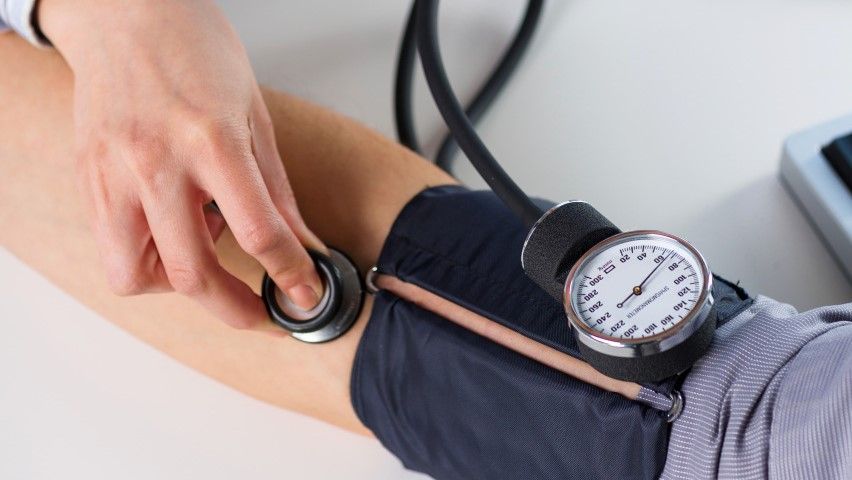
Regular blood pressure measurements should also be part of the compulsory program. High blood pressure – hypertension – can lead to heart attacks, strokes or cerebral haemorrhages. It also makes sense to carry out a heart check by taking a medical history and short screenings, ECG. “In older people, blood is also taken to check the cholesterol and blood sugar levels,” says PD Christian Schmied, cardiologist at the USZ.
Breast cancer: regular screening recommended
Mammography for the early detection of breast cancer is recommended for women aged 50 and over, or earlier if the risk profile is appropriate. A check-up should be carried out every two years. This means that tumors are usually detected before symptoms appear. At the USZ, mammography is possible without compressing the breast thanks to the new high-tech Mamma-CT device.
Innovative early detection of prostate cancer
The situation is similar for men when it comes to prostate cancer. Daniel Eberli, Professor at the Department of Urology at the USZ, recommends regular screenings from the age of 50. During this routine examination, the PSA value is determined and an examination is carried out. If direct relatives are known to have prostate cancer, the first check should be carried out at the age of 45. If prostate cancer is detected early, it is easily treatable. “More than 80 percent are cured for life,” says Eberli.
The USZ also offers the innovative genetic blood test Stockholm3, which uses various biomarkers for prostate cancer to improve early detection. The new biomarkers can detect pathological changes in the prostate at an early stage and thus improve the accuracy of the diagnosis.